One sentence that stayed with me
“I walk far now for water and firewood. It takes my whole day; I cannot trade as before.”
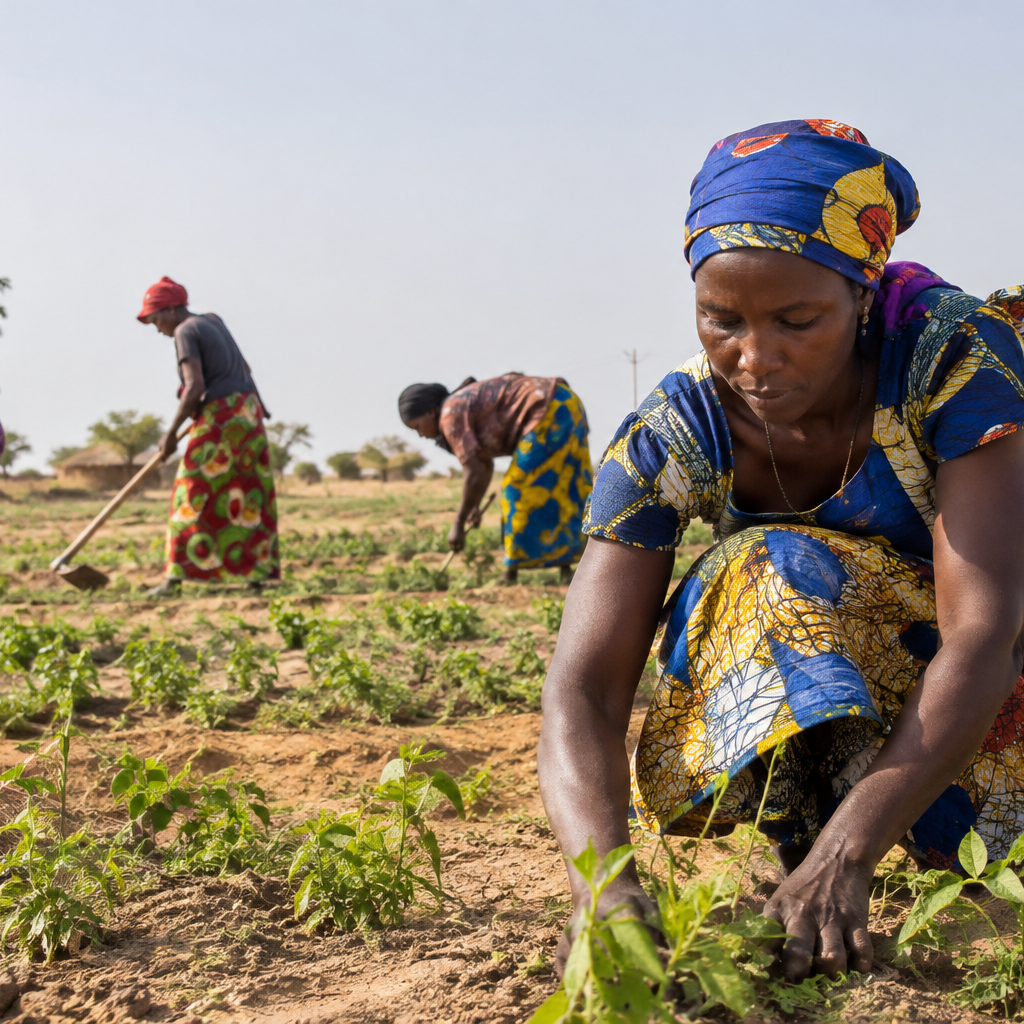
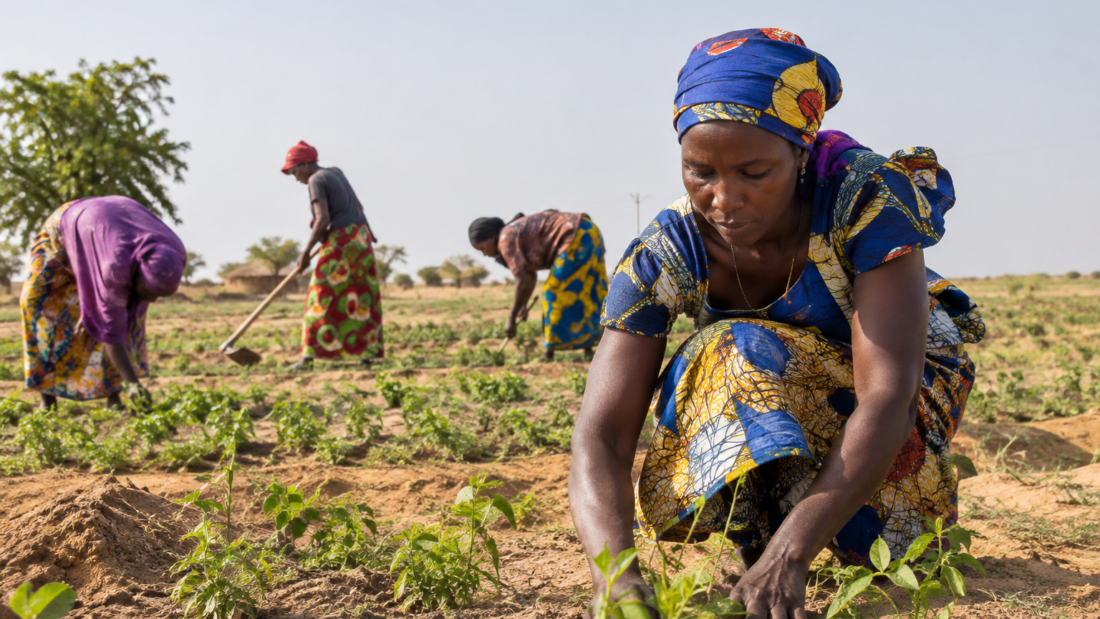
A 35-year-old woman farmer in Borno State, Nigeria, said this to us during an interview. In two short sentences, she explained something climate reports often miss. When the rain fails, her crops suffer. But so does her time, her income, and her independence.
That is the heart of my new paper, Gendered dimension of climate change: are women disparate in Nigeria?, now published in the International Journal of Climate Change Strategies and Management. My short answer to the question in the title is yes. Climate change is not gender-neutral, and in places like Borno, women bear a heavier burden of it.
Why Borno?
Borno State sits where several crises meet. Desertification, erratic rainfall, long droughts, and sudden floods strike a population that depends heavily on farming. On top of that, years of insurgency have displaced families and broken traditional livelihoods.
The UN Security Council has called climate change a “threat multiplier.” Borno shows what that phrase means in daily life. A flood does not arrive in a vacuum. It lands on households already stretched by conflict, poverty and insecure housing.
To understand how people live through this, I conducted in-depth interviews with 35 residents, 17 women and 18 men, in Hausa and Kanuri. They were farmers, traders, casual labourers, teachers, civil servants and pensioners. I used a feminist lens and Interpretative Phenomenological Analysis, which means I set out to listen closely to how people make sense of their own experiences, and to take women’s knowledge seriously rather than treating it as anecdote.
The gaps before the flood even comes
Even in a small sample, the differences between women and men were striking. They describe who starts out with a cushion and who does not.
| Among participants | Women (n = 17) | Men (n = 18) |
| No formal schooling | 47% | 11% |
| Tertiary education | 0% | 23% |
| Rely on farming or livestock | 71% | 56% |
| In formal employment | 0% | 22% |
| Earn below ₦20,000 a month | 71% | 28% |
| Own their home | 24% | 33% |
These are not just statistics. Less schooling means less access to forecasts and adaptation advice. No formal jobs means fewer fallback options when a harvest fails. Low income means nothing to rebuild with after a flood.
Same floods, different burdens
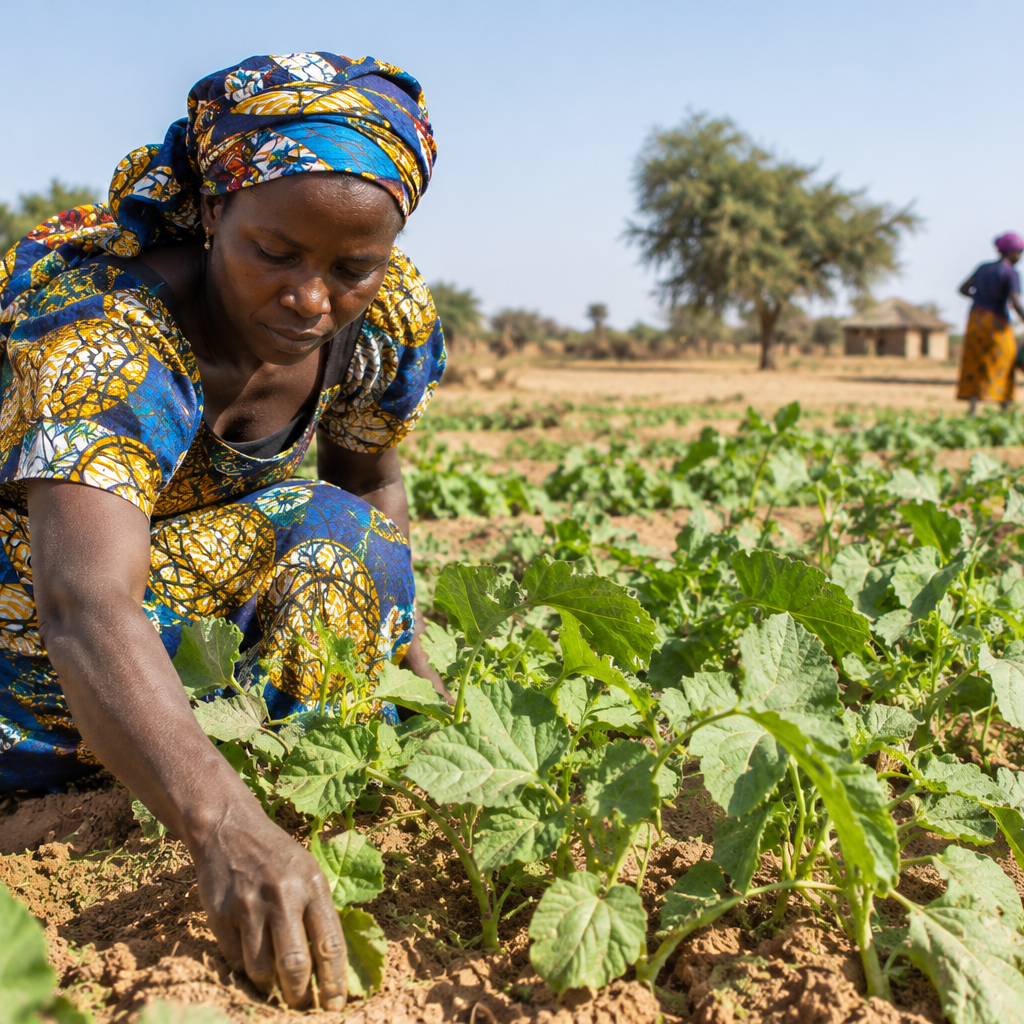
Almost everyone I spoke to knew the climate was changing. They felt the heat, saw the rains arrive late or all at once, and watched their yields fall. But women and men told the story differently.
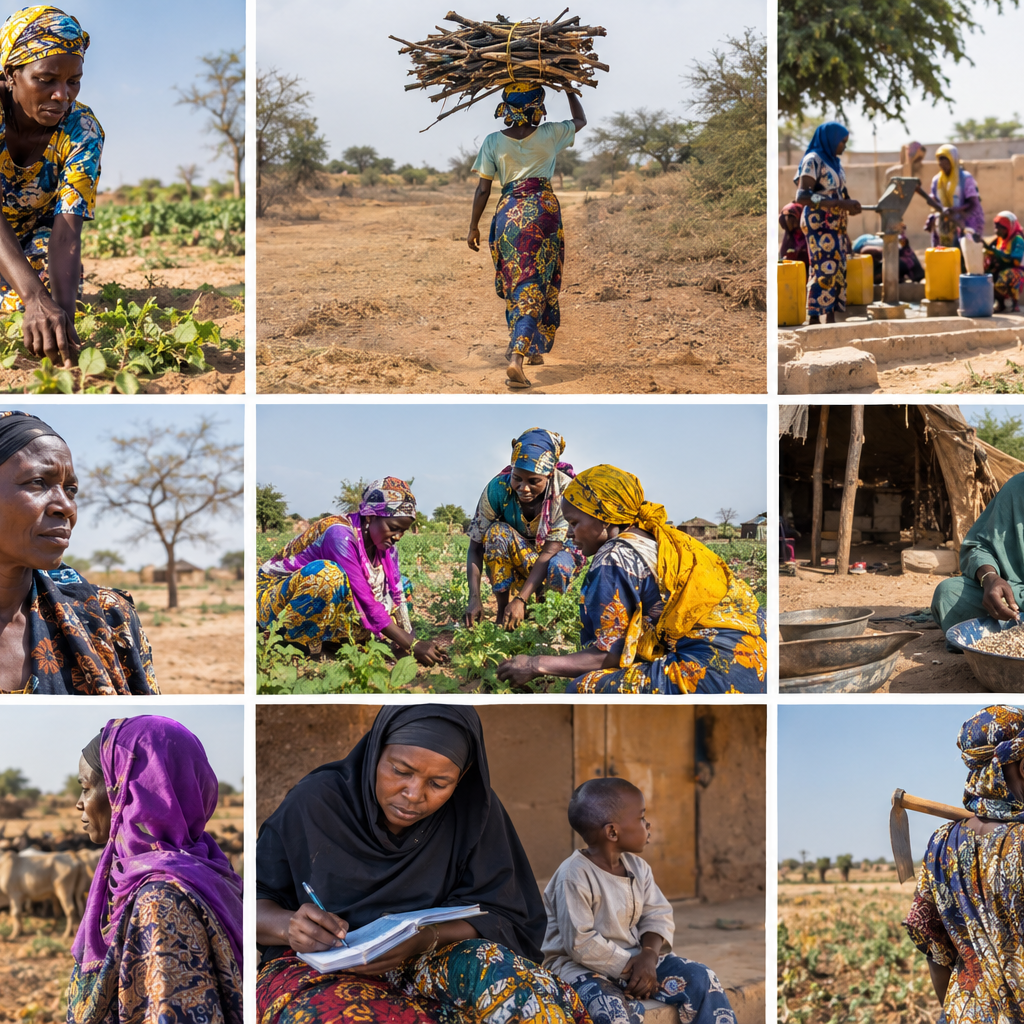
Men tended to describe climate change through crop failure, dead livestock and lost income. Women tied it to keeping the household alive: feeding children, finding water and firewood, and selling in markets that dry up after a flood. One woman trader put it plainly: the floods destroy the crops, and then the customers don’t come to buy what survives.
Strikingly, several men named the imbalance themselves. A 55-year-old trader told me the men can go and find work elsewhere, but women stay home. Mobility is an adaptation strategy, and it is not equally available. When a man migrates for work, the woman left behind often absorbs the extra load of farming, caregiving and resource-gathering, on fewer resources.
Who gets to know, and who gets to decide
One finding I keep returning to is about information. Men in the study were more likely to reach formal forecasts and extension services. Women, held back by lower schooling and restrictions on movement, relied more on indigenous indicators to read the seasons.
That local knowledge has real value. But when official climate information flows mainly through men, women are left to plan their farms and households with less warning and less support.
The same pattern shows up in decisions about land. As a 29-year-old woman farmer told me, women don’t always have a say in decisions about the land, so they don’t get the help they need to adapt. Without land rights or a seat at the table, women are expected to adapt to changes they have no power to shape. This is what feminist epistemology asks us to notice: power decides whose knowledge counts.
Not victims, but not superhuman either
It would be easy to write a story in which women are only victims. That would be inaccurate, and it would repeat a mistake many climate policies have already made.
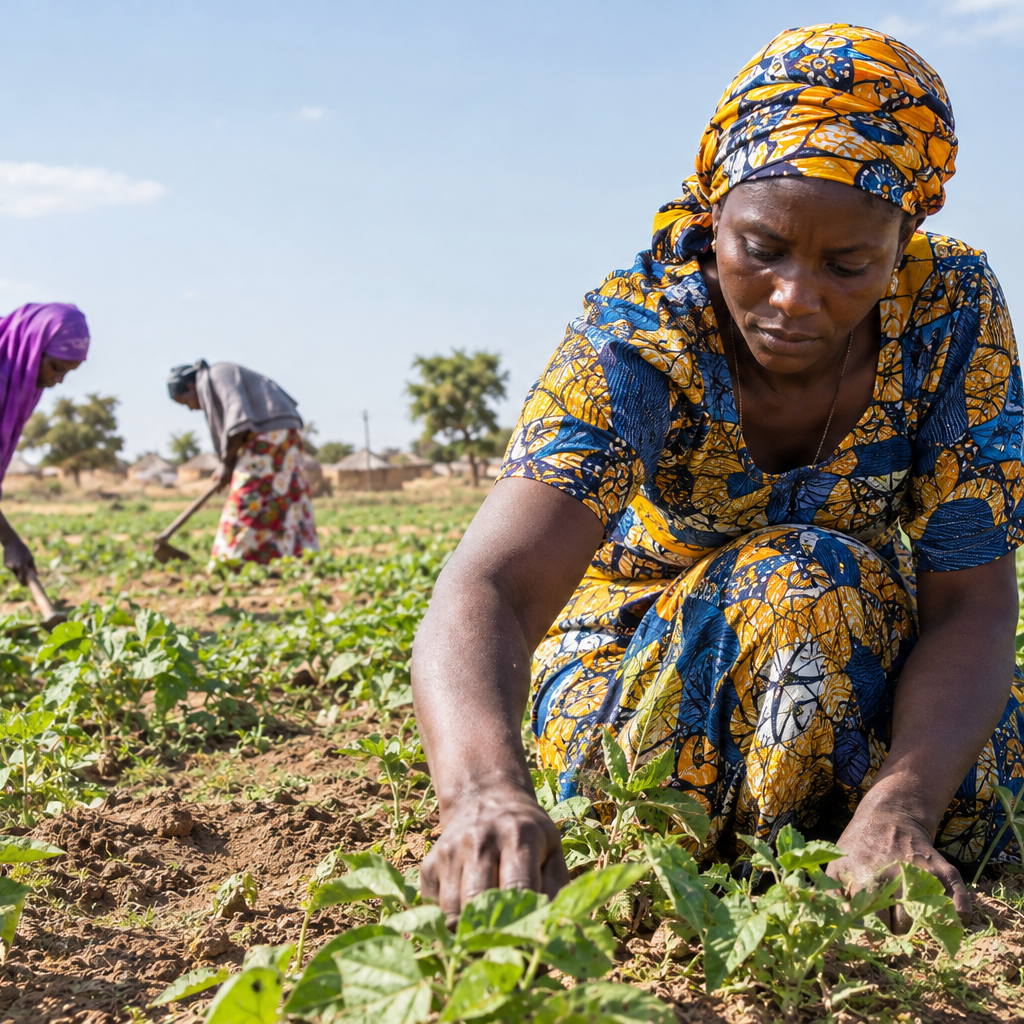
The women I interviewed were adapting. They changed farming methods, took on extra work, joined savings groups, and leaned on each other for advice. A 45-year-old mother told me she tries to stay strong for her children, even if it means changing how she manages her farm or finding other work.
But I also heard a quieter, harder word again and again: endure. “We just keep enduring, hoping things will improve,” one woman farmer said. Resilience should not mean people absorbing shocks alone until they break. When hope becomes the main strategy, it is a sign that support systems have failed.
From food parcels to real change
Participants were grateful for relief, but clear about its limits. Food aid gets a family through a week. It does not replace lost seed, rebuild a market stall or change who owns the land. As one man put it, people don’t want to depend on aid; they want to work and make money.
Based on what people told me, these are the shifts that matter most:
- Secure women’s access to land, credit, inputs and training, so they can invest in their own adaptation.
- Bring women into climate decision-making, at household, community and policy levels, and recognise the leadership they already show.
- Support livelihood diversification and climate-smart agriculture designed around women’s actual workloads and constraints.
- Get climate information to women directly, and build on local knowledge rather than ignoring it.
- Coordinate government, NGOs and local groups so that support moves from short-term relief to long-term capacity.
A 42-year-old woman farmer summed it up better than any policy brief: if women had the means to support themselves, they would cope better.
Why this matters beyond Borno
Borno is an extreme case, but not an isolated one. Across sub-Saharan Africa and much of the Global South, climate shocks land on top of existing inequalities. If adaptation plans treat households as single units, or women as passive recipients of aid, they will keep missing the people doing much of the adapting.
The question for policymakers is not only how to protect women from climate change. It is how to remove the barriers that stop women from leading the response.
I am grateful to every participant who shared their time and their stories, and to the African German Network of Excellence in Science (AGNES) in collaboration with the Alexander von
Humboldt Foundation (AvH) and the German Ministry for Economic Cooperation and
Development (BMZ) for the Junior Researcher Grant that made this fieldwork possible.
The full paper is open access: Gendered dimension of climate change: are women disparate in Nigeria?, International Journal of Climate Change Strategies and Management, Vol. 18 No. 1 (2026), pp. 584–602.