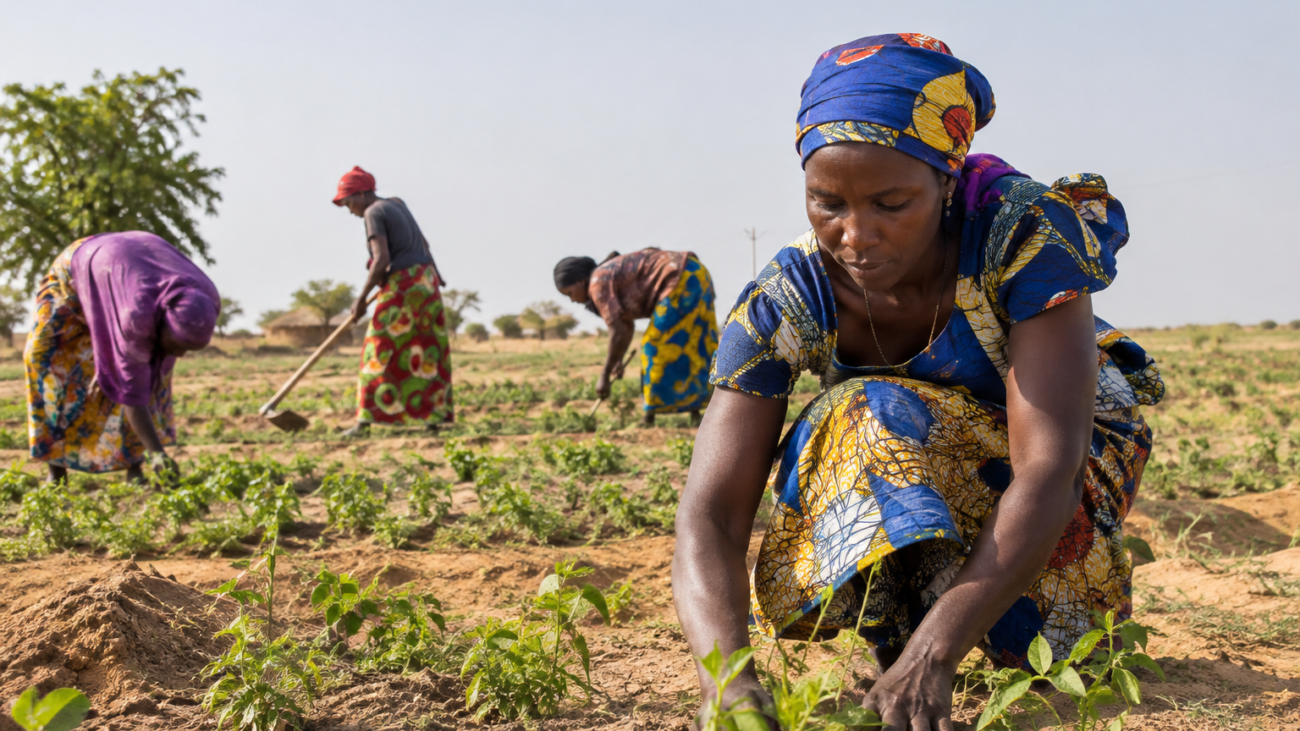
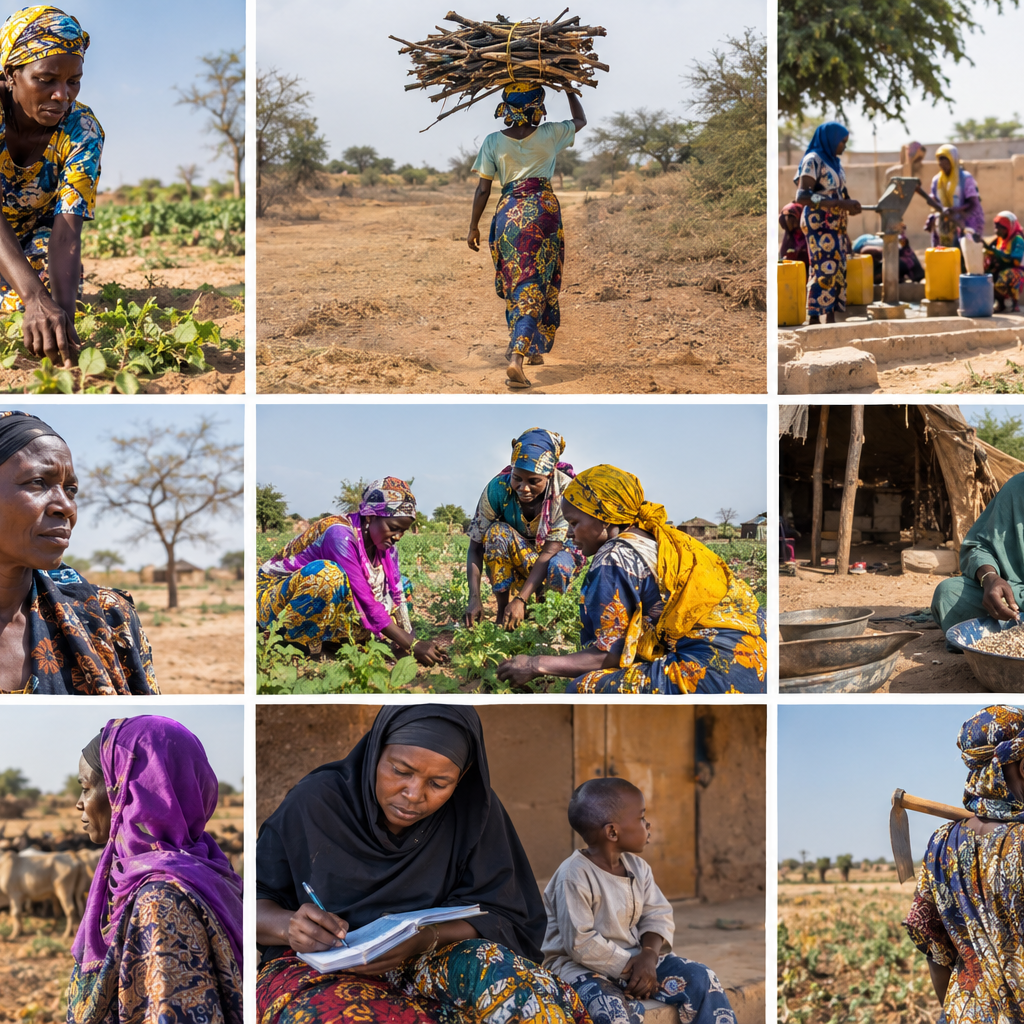
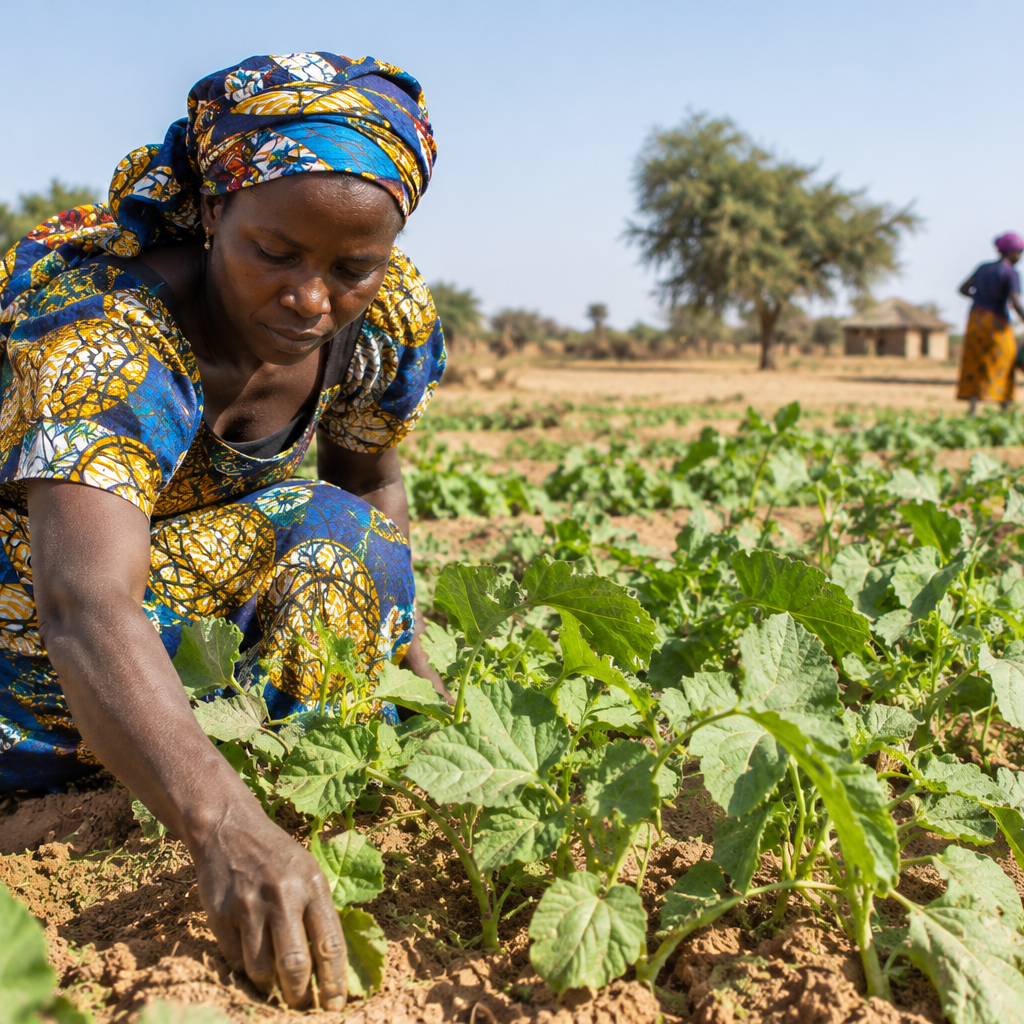
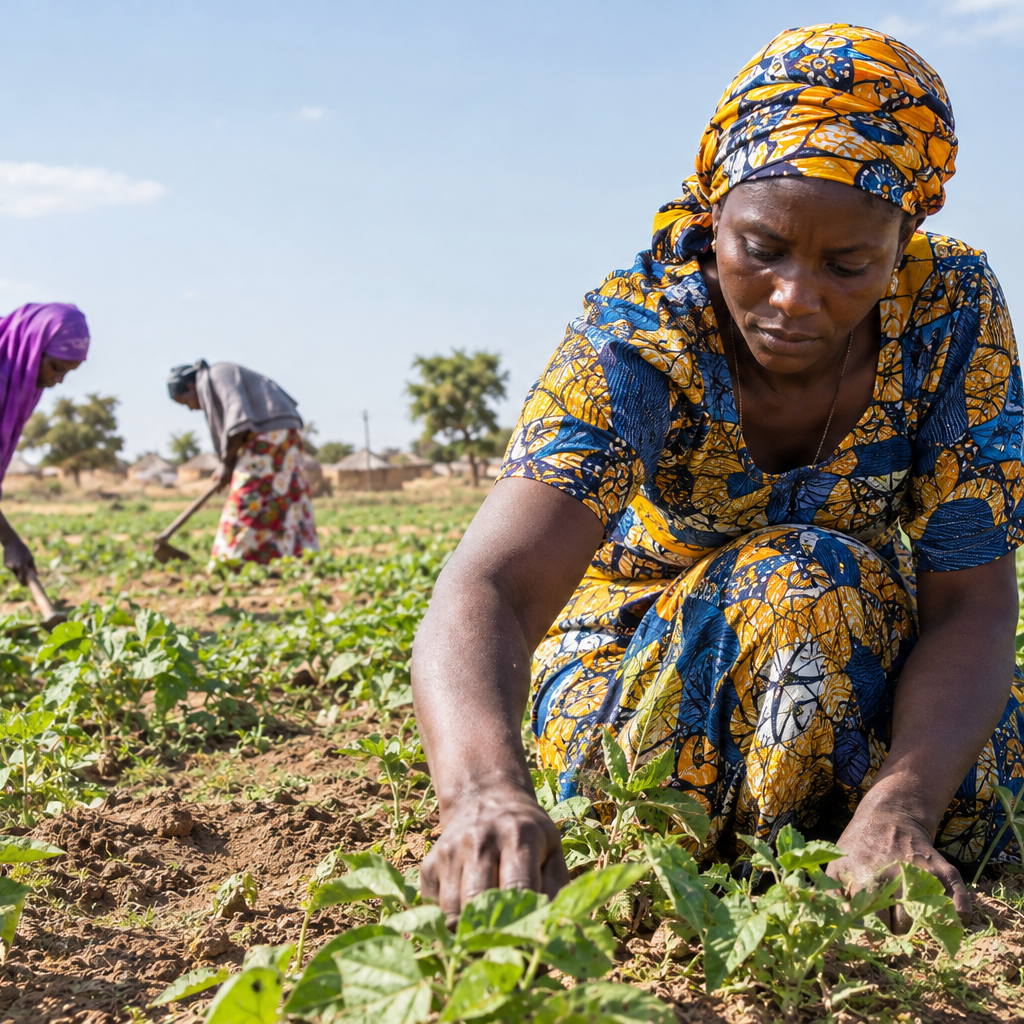
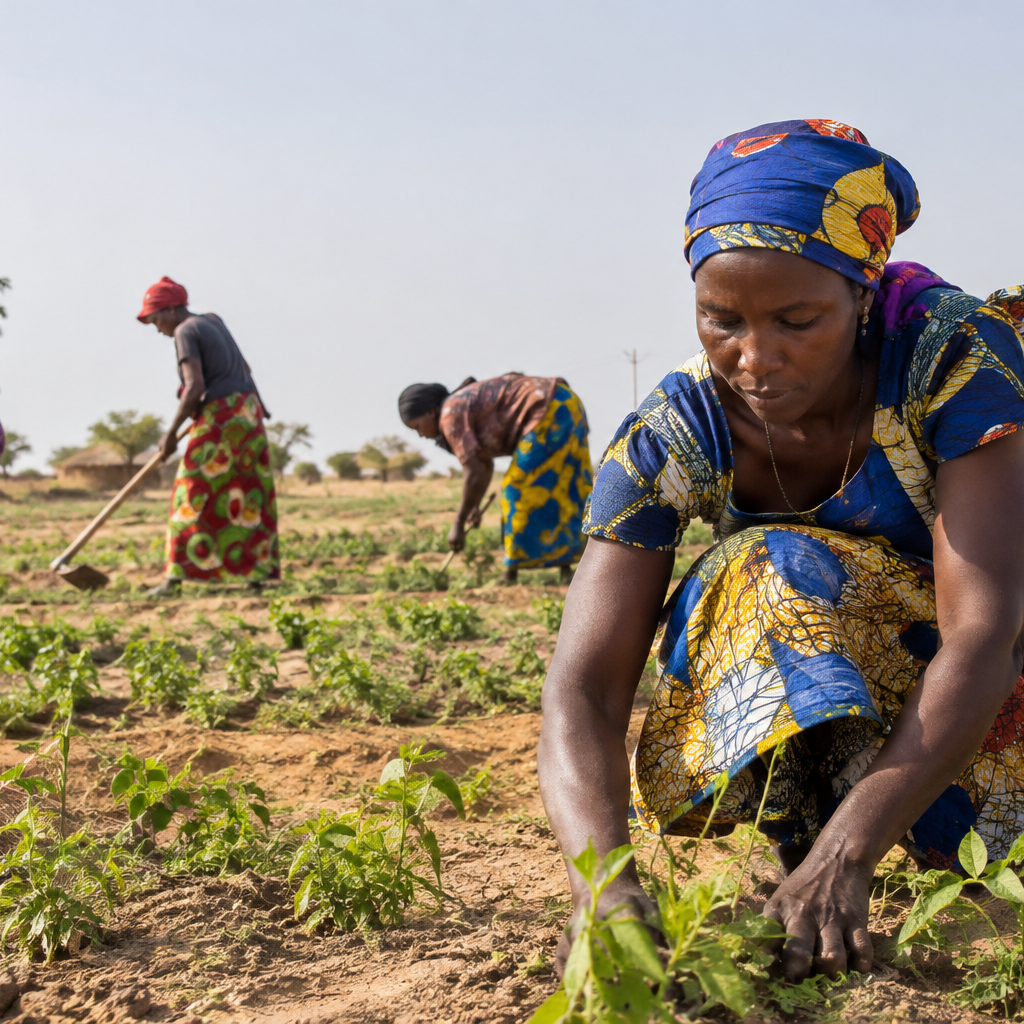
Climate change is no longer a distant environmental concern. Across Nigeria, changing weather patterns and flooding are increasingly affecting agricultural production, household livelihoods, and food security, with potentially significant consequences for rural women who depend on smallholder farming.
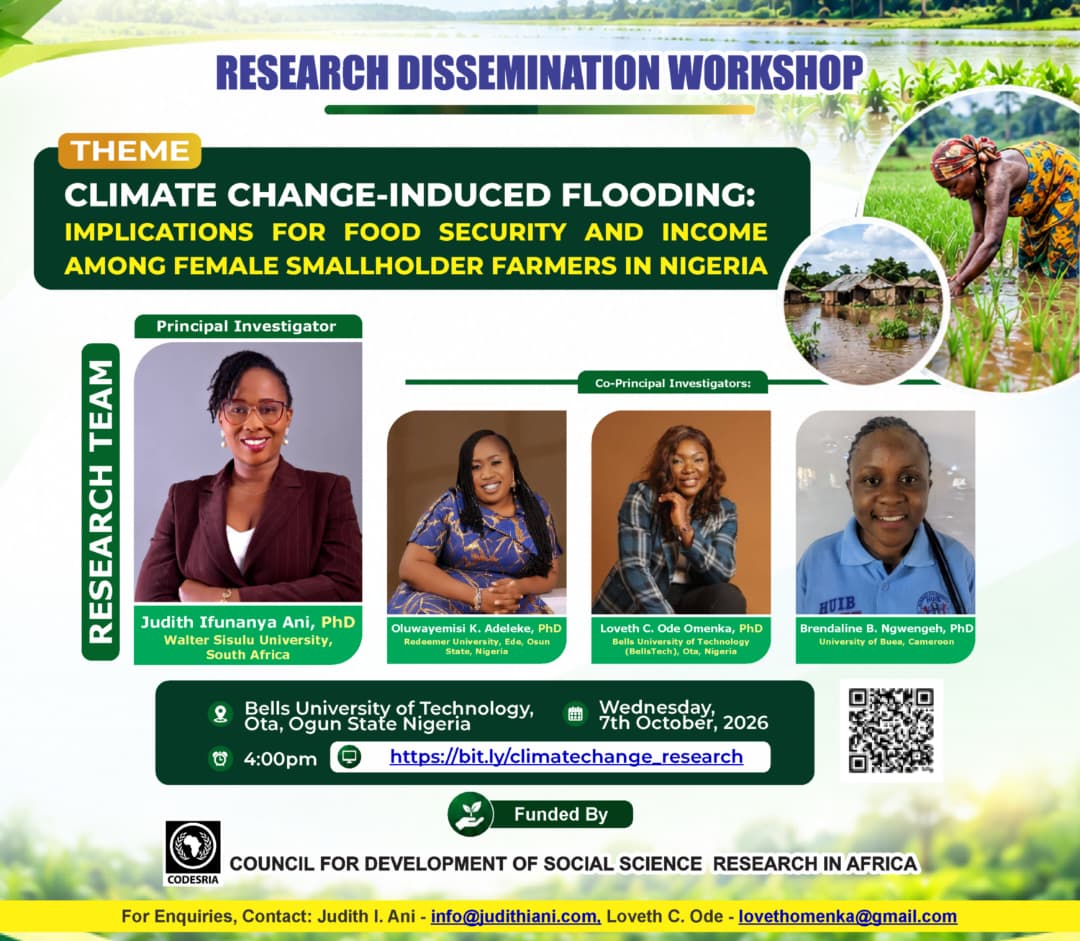
Against this backdrop, a research team led by Dr Judith Ifunanya Ani, with Dr Oluwayemisi K. Adeleke, Dr Loveth C. Ode-Omenka and Dr Brendaline B. Ngwengeh, is commencing the dissemination of findings from a CODESRIA-funded research project titled “Climate Change-Induced Flooding: Implications for Food Security and Income among Female Smallholder Farmers in Nigeria.”
The study examined how climate-change-associated flooding affects the food security and income of female smallholder farmers and highlighted the wider social and economic dimensions of climate vulnerability.
The first dissemination workshop will take place on Wednesday, 7 October 2026, at 4:00 p.m. WAT.
The workshop will provide an opportunity to share the study’s findings and engage researchers, academics, practitioners, and other stakeholders in discussions around climate change, gender, agriculture, livelihoods, and food security.
The workshop marks the beginning of a series of planned dissemination activities aimed at taking the evidence beyond the research process and into wider scholarly and policy conversations.
Funded by: Council for the Development of Social Science Research in Africa (CODESRIA).
“I walk far now for water and firewood. It takes my whole day; I cannot trade as before.”
A 35-year-old woman farmer in Borno State, Nigeria, said this to us during an interview. In two short sentences, she explained something climate reports often miss. When the rain fails, her crops suffer. But so does her time, her income, and her independence.
That is the heart of my new paper, Gendered dimension of climate change: are women disparate in Nigeria?, now published in the International Journal of Climate Change Strategies and Management. My short answer to the question in the title is yes. Climate change is not gender-neutral, and in places like Borno, women bear a heavier burden of it.
Why Borno?
Borno State sits where several crises meet. Desertification, erratic rainfall, long droughts, and sudden floods strike a population that depends heavily on farming. On top of that, years of insurgency have displaced families and broken traditional livelihoods.
The UN Security Council has called climate change a “threat multiplier.” Borno shows what that phrase means in daily life. A flood does not arrive in a vacuum. It lands on households already stretched by conflict, poverty and insecure housing.
To understand how people live through this, I conducted in-depth interviews with 35 residents, 17 women and 18 men, in Hausa and Kanuri. They were farmers, traders, casual labourers, teachers, civil servants and pensioners. I used a feminist lens and Interpretative Phenomenological Analysis, which means I set out to listen closely to how people make sense of their own experiences, and to take women’s knowledge seriously rather than treating it as anecdote.
The gaps before the flood even comes
Even in a small sample, the differences between women and men were striking. They describe who starts out with a cushion and who does not.
Among participants
Women (n = 17)
Men (n = 18)
No formal schooling
47%
11%
Tertiary education
0%
23%
Rely on farming or livestock
71%
56%
In formal employment
0%
22%
Earn below ₦20,000 a month
71%
28%
Own their home
24%
33%
These are not just statistics. Less schooling means less access to forecasts and adaptation advice. No formal jobs means fewer fallback options when a harvest fails. Low income means nothing to rebuild with after a flood.
Same floods, different burdens
Almost everyone I spoke to knew the climate was changing. They felt the heat, saw the rains arrive late or all at once, and watched their yields fall. But women and men told the story differently.
Men tended to describe climate change through crop failure, dead livestock and lost income. Women tied it to keeping the household alive: feeding children, finding water and firewood, and selling in markets that dry up after a flood. One woman trader put it plainly: the floods destroy the crops, and then the customers don’t come to buy what survives.
Strikingly, several men named the imbalance themselves. A 55-year-old trader told me the men can go and find work elsewhere, but women stay home. Mobility is an adaptation strategy, and it is not equally available. When a man migrates for work, the woman left behind often absorbs the extra load of farming, caregiving and resource-gathering, on fewer resources.
Who gets to know, and who gets to decide
One finding I keep returning to is about information. Men in the study were more likely to reach formal forecasts and extension services. Women, held back by lower schooling and restrictions on movement, relied more on indigenous indicators to read the seasons.
That local knowledge has real value. But when official climate information flows mainly through men, women are left to plan their farms and households with less warning and less support.
The same pattern shows up in decisions about land. As a 29-year-old woman farmer told me, women don’t always have a say in decisions about the land, so they don’t get the help they need to adapt. Without land rights or a seat at the table, women are expected to adapt to changes they have no power to shape. This is what feminist epistemology asks us to notice: power decides whose knowledge counts.
Not victims, but not superhuman either
It would be easy to write a story in which women are only victims. That would be inaccurate, and it would repeat a mistake many climate policies have already made.
The women I interviewed were adapting. They changed farming methods, took on extra work, joined savings groups, and leaned on each other for advice. A 45-year-old mother told me she tries to stay strong for her children, even if it means changing how she manages her farm or finding other work.
But I also heard a quieter, harder word again and again: endure. “We just keep enduring, hoping things will improve,” one woman farmer said. Resilience should not mean people absorbing shocks alone until they break. When hope becomes the main strategy, it is a sign that support systems have failed.
From food parcels to real change
Participants were grateful for relief, but clear about its limits. Food aid gets a family through a week. It does not replace lost seed, rebuild a market stall or change who owns the land. As one man put it, people don’t want to depend on aid; they want to work and make money.
Based on what people told me, these are the shifts that matter most:
Secure women’s access to land, credit, inputs and training, so they can invest in their own adaptation.
Bring women into climate decision-making, at household, community and policy levels, and recognise the leadership they already show.
Support livelihood diversification and climate-smart agriculture designed around women’s actual workloads and constraints.
Get climate information to women directly, and build on local knowledge rather than ignoring it.
Coordinate government, NGOs and local groups so that support moves from short-term relief to long-term capacity.
A 42-year-old woman farmer summed it up better than any policy brief: if women had the means to support themselves, they would cope better.
Why this matters beyond Borno
Borno is an extreme case, but not an isolated one. Across sub-Saharan Africa and much of the Global South, climate shocks land on top of existing inequalities. If adaptation plans treat households as single units, or women as passive recipients of aid, they will keep missing the people doing much of the adapting.
The question for policymakers is not only how to protect women from climate change. It is how to remove the barriers that stop women from leading the response.
I am grateful to every participant who shared their time and their stories, and to the African German Network of Excellence in Science (AGNES) in collaboration with the Alexander von Humboldt Foundation (AvH) and the German Ministry for Economic Cooperation and Development (BMZ) for the Junior Researcher Grant that made this fieldwork possible.
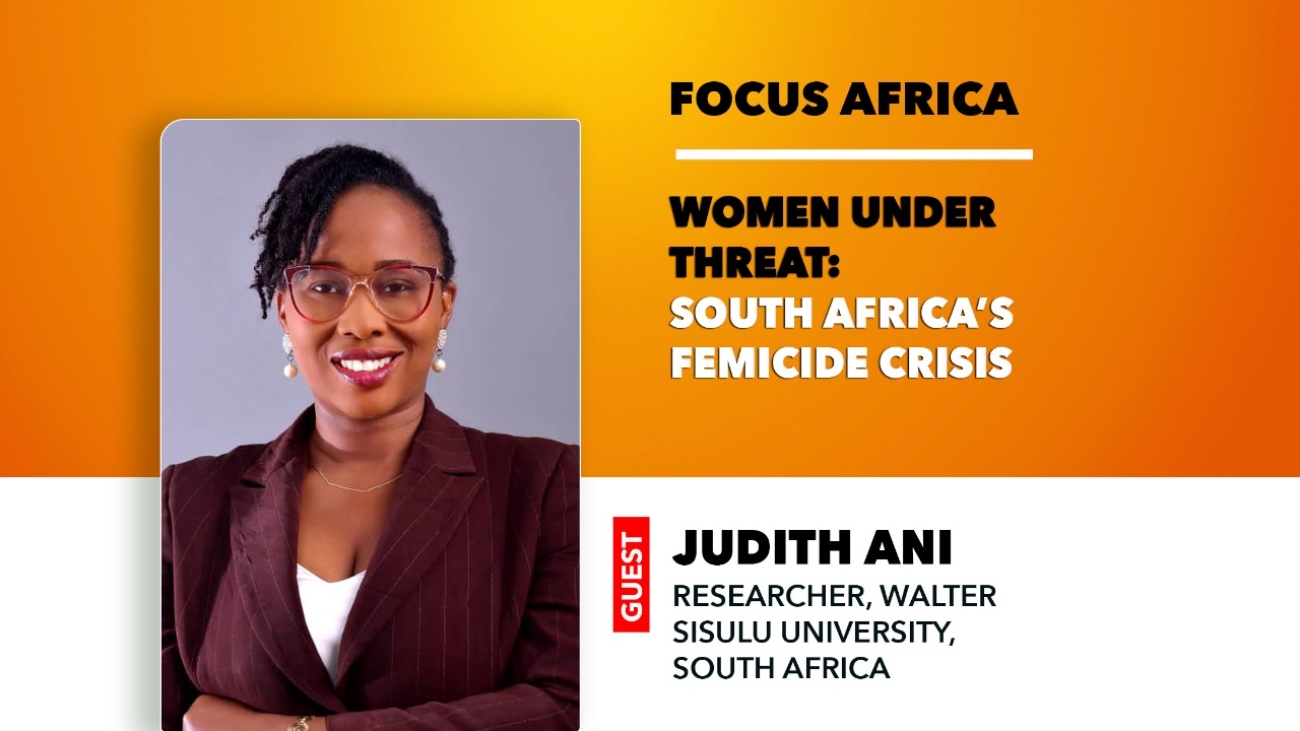
I recently had the opportunity to speak on News Central TV on the subject of “Women’s Safety Across Africa and a Call for Justice and Safety for Women.” The conversation came at a time when femicide and gender-based violence continue to demand urgent public attention – not only in South Africa, but across the African continent.
As I reflected on the discussion afterwards, one question stayed with me:
When a woman is killed, should our first question only be, “Who killed her?” Or should we also be asking, “What happened before she was killed, and could her death have been prevented?”
That shift in questioning is important.
Because femicide does not always begin with a murder. In many cases, violence exists long before a woman loses her life.
Understanding femicide
Femicide refers broadly to the intentional killing of women and girls because of their gender. It can occur within intimate relationships or outside them.
In South Africa, the evidence is particularly concerning. The national analysis of four femicide surveys found that the intimate-partner femicide rate reached 5.5 per 100,000 women in 2020/21. The study found that intimate partners remained the leading perpetrator category, accounting for 57.5% of cases in the weighted analysis.
The same research shows another troubling pattern. The proportion of cases in which police investigations did not identify a perpetrator increased from 18.6% in 1999 to 44.2% in 2020/21.
These numbers are not simply statistics. Behind every number is a woman whose life ended, a family that lost someone, children who may have lost a mother, and communities left to deal with the consequences.
They should therefore make us ask difficult questions about prevention, investigation, protection and accountability.
A woman may not move directly from safety to death
One of the most important things we must understand about femicide is that it can be connected to a wider continuum of violence.
Before a woman is killed, there may have been threats to kill her, physical assault, sexual violence, stalking, coercive control, financial control, isolation, intimidation, extreme jealousy or threats associated with separation and relationship breakdown.
This does not mean that every woman who experiences these forms of violence will be killed. Nor does it mean that every femicide can be predicted.
But it does mean that warning signs matter.
When a woman reports violence, makes a complaint, seeks medical attention, approaches the police, goes to a shelter, confides in family members or attempts to leave an abusive relationship, these interactions can represent important opportunities for intervention.
The question is whether our systems recognise those opportunities and respond effectively.
Beyond asking “Who killed her?”
The criminal justice system must identify perpetrators, investigate cases, prosecute offenders and ensure accountability.
But justice after a woman has been killed is not the same as safety before she is killed.
This is why we need to move beyond the question of “Who killed her?” to also ask:
What happened before she was killed?
Were there warning signs?
Had she previously sought help?
Did anyone know she was at risk?
Was there an opportunity for intervention?
Did the police, health system, family, community or other institutions have information that could have been acted upon?
And ultimately:
Could her death have been prevented?
These are not questions designed to shift responsibility onto victims. Quite the opposite.
They force us to examine the systems around women and ask whether those systems are functioning as they should.
From reaction to prevention
South Africa has developed important policy and institutional mechanisms to address gender-based violence and femicide. The National Strategic Plan on GBVF provides a multisectoral framework, and the National Council on GBVF has been established in law to provide strategic leadership and coordination.
The challenge, therefore, is not simply the absence of policies.
The more difficult question is:
How effectively are these commitments being translated into protection and prevention on the ground?
A woman does not experience a policy document.
She experiences the police officer who receives her complaint.
She experiences the healthcare worker who attends to her injuries.
She experiences the shelter that either has space for her or does not.
She experiences the family member who believes her – or tells her to return to the relationship.
She experiences the community that either intervenes – or remains silent.
And she experiences a justice system whose effectiveness may determine whether a threat escalates or is stopped.
This is why prevention requires more than awareness campaigns.
It requires functioning systems.
The importance of the Femicide Review Pilot
There is an important development in South Africa that deserves attention: the Femicide Review Pilot, formally launched in August 2026.
The pilot is being implemented in Gauteng, KwaZulu-Natal and the Eastern Cape. Its purpose is not simply to investigate individual murders as criminal cases. It is designed as a learning process—to examine what happened, identify systemic gaps, strengthen coordination and determine how lessons from individual cases can inform prevention.
This is an important shift in thinking.
A femicide review should encourage us to examine the circumstances surrounding a woman’s death and the institutional responses that preceded it.
Where were the warning signs?
Where did the system respond?
Where did it fail?
What information was available?
What information was missing?
What could have been done differently?
And most importantly:
What can we learn from this death that might help save another woman’s life?
The real value of such a mechanism should ultimately be measured not by how many cases are reviewed, but by whether the lessons from those cases lead to changes that prevent future deaths.
Safety is more than policing
When we talk about women’s safety, the conversation often becomes focused on policing and public spaces.
Those issues matter.
But women’s safety cannot be reduced to telling women to avoid certain places, change their behaviour, travel in groups, carry protection or remain constantly alert.
Women should be able to live, work, study, travel, form relationships and leave relationships without living under the constant threat of violence.
Safety must therefore be understood more broadly.
It includes prevention, early intervention, protection and access to support.
It requires stronger policing and forensic capacity. It requires effective reporting and surveillance systems. It requires accessible shelters and survivor services. It requires responsive healthcare systems. It requires communities that do not normalise violence. It requires research and reliable data. And it requires accountability when institutions fail to perform their responsibilities.
Communities are part of the prevention system
Government cannot do this alone.
Neither can the police.
Neither can civil society.
Communities matter because violence does not happen in isolation from social relationships and community structures.
Families, religious institutions, schools, workplaces, traditional and community leaders, healthcare providers, researchers and ordinary citizens all have a role to play.
Communities can recognise warning signs.
They can support women who disclose violence.
They can challenge harmful ideas about (hegemonic) masculinity and relationships.
They can report violence.
They can refuse to protect perpetrators through silence.
And they can help create environments in which seeking help is treated as an act of courage rather than shame.
But community responsibility must not become an excuse for governments and institutions to withdraw from their own responsibilities.
The state has obligations. Institutions have obligations. Communities have obligations. Individuals have obligations.
We need all of these levels working together.
The African conversation
Although South Africa receives significant attention because of its documented levels of femicide, women’s safety is not exclusively a South African issue.
Across Africa, women and girls experience different forms of violence shaped by social, economic, cultural, political and institutional circumstances.
The African Union’s adoption of the Convention on Ending Violence Against Women and Girls (AU-CEVAWG) in February 2025 represents an important continental commitment to preventing and responding to violence against women and girls. The Convention is intended to strengthen legal and institutional mechanisms and address the root causes and drivers of violence.
But adoption of a continental instrument is only one part of the journey.
The real test lies in implementation, financing, enforcement and accountability.
African countries need to translate commitments into functioning systems that women can actually experience in their everyday lives.
Justice after death. Protection before death.
There is a tendency to think about justice primarily in terms of what happens after a crime.
Investigation.
Arrest.
Prosecution.
Conviction.
Accountability.
All of these matter.
But if our goal is women’s safety, we must also think about what happens before the crime becomes lethal.
Prevention.
Early intervention.
Protection.
Safe accommodation.
Survivor support.
Risk identification.
Community intervention.
Responsive healthcare.
Effective policing.
Accessible justice.
This is why I see women’s safety through four connected actions:
PREVENT→PROTECT→RESPOND→ACCOUNT
We must prevent violence before it occurs.
We must protect women who are at risk.
We must respond effectively when violence occurs.
And we must hold perpetrators—and where appropriate, institutions that fail in their responsibilities—accountable.
We should not wait for another death to learn
Every woman who is killed leaves behind more than a crime scene.
Her death leaves questions.
Was she afraid before she died?
Had she asked for help?
Did someone know?
Was there a previous report?
Was there a medical encounter?
Was there a threat?
Was there a separation?
Was there a pattern of control?
Was there an institution that could have intervened?
These questions matter because prevention requires us to learn from what has already happened.
We should not wait until another woman is killed before we discover that the systems around her were not working.
Women should not have to die before the system learns that they were at risk.
The call for women’s safety across Africa must therefore be more than a call for justice after violence.
It must be a call for systems that protect women before violence becomes lethal.
It must be a call for evidence-based prevention, effective institutions, responsive communities and meaningful accountability.
And above all, it must be a commitment to ensuring that when we remember the women we have lost, we do not only remember how they died.
We ask what could have been done to keep them alive.
Because justice matters.
But safety before death is justice in its most preventive form.
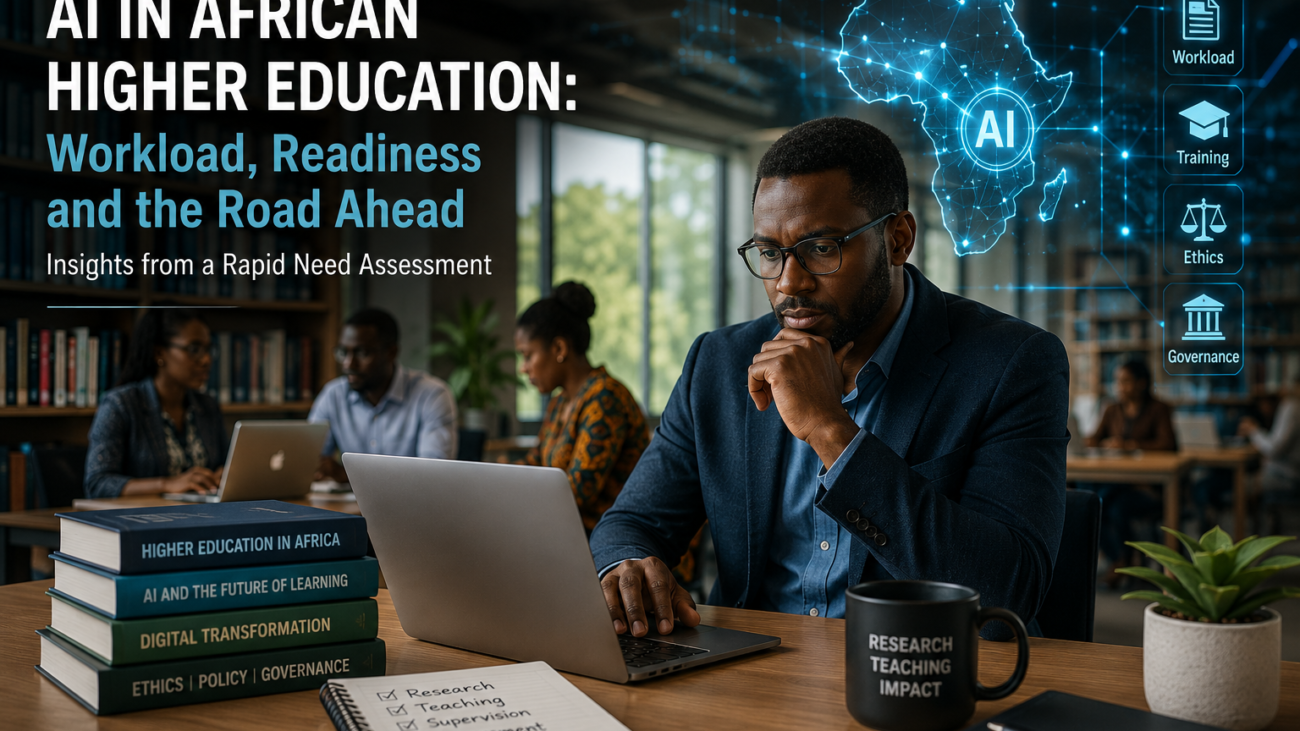
Artificial intelligence (AI) is no longer a futuristic concept in African universities. It is already reshaping how academics teach, conduct research, supervise students, assess learning, and manage increasingly demanding workloads. Yet an important question remains: Are our institutions evolving as quickly as the technology itself?
This question inspired our recently published study titled “Artificial Intelligence, Academic Workload and Institutional Readiness in African Higher Education: A Rapid Need Assessment.
Why we conducted this study
Across Africa, higher education institutions are under growing pressure to expand access, improve research productivity, enhance teaching quality, and meet increasingly complex accreditation and reporting requirements. At the same time, generative AI tools have rapidly entered academic life, offering new opportunities to improve efficiency while raising equally important questions about ethics, governance, and academic integrity.
Rather than asking whether academics are using AI, we wanted to understand a broader question: Are African universities institutionally prepared for responsible AI adoption?
What we found
Our findings paint a picture of both opportunity and urgency.
Most respondents reported experiencing substantial workload pressures across nearly every aspect of academic work, including research writing, lecture preparation, postgraduate supervision, assessment and grading, student support, institutional reporting, and accreditation-related responsibilities.
Against this backdrop, AI has already become part of everyday academic practice.
80% of respondents reported currently using AI tools.
Yet only 23.3% had received any formal training in AI or digital technologies.
Encouragingly, 96.7% expressed a strong interest in receiving structured training in generative AI.
These findings reveal a significant readiness gap. Many academics are adopting AI independently, often without institutional guidance, formal capacity building, or clear governance frameworks.
Where academics see the greatest value
Respondents identified several areas where AI could meaningfully support academic work:
Research assistance and literature synthesis
Academic writing and content development
Grading and assessment support
Personalised learning
Curriculum planning
These findings suggest that academics view AI primarily as a tool for enhancing productivity rather than replacing human expertise.
Responsible adoption remains essential
Our study also highlights that enthusiasm for AI is accompanied by legitimate concerns.
Participants consistently identified issues relating to:
Academic integrity
Data privacy
Accuracy and reliability
Limited AI training
Potential job displacement
These concerns reinforce an important point: successful AI integration requires more than access to technology. It requires institutions to establish robust governance systems that promote responsible, ethical, and contextually appropriate use.
What this means for African universities
Our findings suggest that institutional readiness must extend beyond technological infrastructure.
Universities should prioritise:
Comprehensive AI policies and governance frameworks
Continuous professional development for academic and administrative staff
Clear ethical guidelines for teaching, research, and assessment
Human oversight in AI-supported academic processes
Strong data protection and privacy mechanisms
AI strategies that reflect African educational contexts and development priorities
The conversation should therefore move beyond whether AI should be adopted toward how it can be integrated responsibly while strengthening teaching, research, and institutional effectiveness.
Looking ahead
Artificial intelligence presents one of the most significant transformations in higher education in decades. For African universities, it offers an opportunity not only to reduce administrative burdens but also to rethink teaching, research, knowledge production, and institutional innovation.
However, technology alone cannot transform higher education.
That transformation depends on thoughtful leadership, evidence-informed policy, ethical governance, and sustained investment in people.
Our hope is that this study contributes to that ongoing conversation by providing empirical evidence that can support universities, policymakers, and higher education stakeholders in building AI-ready institutions that are both innovative and responsible.
Citation
Igiri, C. P., Ani, J. I., Osabuohien, E., Nwokocha, E. E., Ajayi, G. O., Nyaga, J. G., Correia, O., & Akindele, M. A. (2026). Artificial intelligence, academic workload and institutional readiness in African higher education: A rapid need assessment. The Nigerian Journal of Sociology and Anthropology, 24(1), 28–49. doi.org/10.36108/NJSA/6202.42.0120
What happens when alcohol and drugs enter intimate relationships? For many women, the consequences extend far beyond substance use itself, increasing the risk of emotional, physical, and sexual violence.
My recent study, From Bottles to Bruises: Partner Substance Use, Relationship Dynamics, and the Risk of Intimate Partner Violence in South Africa, published in the Int. J. Environ. Res. Public Health2026, Vol.23(2),160; https://doi.org/10.3390/ijerph23020160 explores this critical but often overlooked connection using nationally representative data from the South African Demographic and Health Survey.
The findings paint a troubling picture. More than 40% of women reported that their partners used alcohol and/or drugs. Among these women, over one-third had experienced intimate partner violence (IPV). Even after accounting for other factors, women whose partners used substances were significantly more likely to experience abuse. The risk of emotional violence was more than doubled, while the likelihood of physical and sexual violence was nearly three times higher.
However, substance use is only part of the story.
The study found that controlling behaviours—such as monitoring a partner’s movements, restricting social interactions, or exerting excessive control over daily activities—were among the strongest predictors of violence. Women exposed to these behaviours faced dramatically higher odds of experiencing IPV, highlighting how abuse often begins long before physical harm occurs.
These findings challenge us to rethink how we address gender-based violence. While substance abuse interventions remain important, effective prevention requires a broader approach that also tackles harmful gender norms, unequal power relations, and coercive control within relationships.
For policymakers, healthcare providers, and community organisations, the message is clear: efforts to reduce intimate partner violence must integrate substance-use prevention with strategies that promote healthy, respectful, and equitable relationships.
Violence against women is not inevitable. By understanding the factors that drive abuse and addressing them together, we can move closer to a future where women are safe, empowered, and free from violence.
Watch the video below for a visual overview of the study findings and their implications for public health, policy, and women’s safety.
Migration has become one of the defining features of our global era. Across regions, people move in search of better livelihoods, safety, and opportunities for their families. In some cases, migration is a choice driven by aspiration; in others, it is a necessity shaped by conflict, climate shocks, and economic hardship. Nowhere are these dynamics more visible than in sub-Saharan Africa, where migration patterns are deeply intertwined with household survival strategies.
Within this broader movement, female migration has gained increasing attention – but remains underexplored in development research, particularly in relation to poverty outcomes. This study examines a critical question: What is the effect of female migration and remittances on poverty reduction in ECOWAS countries between 1990 and 2020?
In this paper, “Female Migration, Remittances and Poverty Reduction in ECOWAS,” published in Poverty & Public Policy (18: e70063. https://doi.org/10.1002/pop4.70063), we examined the relationship between female migration, remittances, and poverty reduction in ECOWAS countries from 1990 to 2020, using household per capita consumption expenditure as a proxy for poverty reduction.
Rethinking Migration Through a Gender Lens
Much of the existing literature on migration treats migrants as a homogenous group. Yet, gender matters. Women migrate under different social, economic, and structural conditions compared to men, and their migration outcomes also differ.
In the ECOWAS region, female migration is often shaped by:
Economic hardship and unemployment,
Care responsibilities and household survival strategies,
Informal and precarious labour opportunities abroad,
And in some cases, distress migration driven by poverty.
This study focused specifically on female migration, rather than total migration, to capture these gendered realities and their implications for household welfare.
Migration, Remittances, and Poverty: What the Data Shows
Using panel data from 1990 to 2020 across ECOWAS countries, the study employs a Prais-Winsten regression model with panel-corrected standard errors, alongside a Feasible Generalized Least Squares (FGLS) robustness check. Poverty is measured using household per capita consumption expenditure, a standard proxy for welfare outcomes.
The findings present a complex and somewhat paradoxical picture.
1. Female migration and poverty: an unexpected increase
The results show that a 1% increase in female migration is associated with a 0.476 increase in household poverty.
At first glance, this may appear counterintuitive. However, it suggests that female migration in ECOWAS may often reflect distress-driven mobility rather than opportunity-led migration. When women migrate under economic pressure, households may lose:
Essential income-generating labour,
Caregiving roles that sustain household productivity,
And social stability within the home.
Rather than immediately lifting households out of poverty, migration in this context may initially deepen economic vulnerability.
2. Remittances: a clear poverty-reducing force
In contrast, remittances show a strong mitigating effect. A 1% increase in remittances reduces household poverty by 0.414.
This reinforces the idea that remittances act as a household-level shock absorber, enabling families to:
Smooth consumption during economic hardship,
Pay for education and healthcare,
And invest in small-scale economic activities.
Remittances therefore function as a critical survival and welfare mechanism in ECOWAS economies.
3. The moderating role of remittances
Perhaps the most important insight from this study is the interaction between female migration and remittances. The results show that when both are considered together, a 1% increase in their joint effect reduces poverty by 0.009.
While modest in size, this finding is significant. It suggests that migration only becomes poverty-reducing when it successfully generates and transmits remittances back to the household. In other words, migration alone is not sufficient – its benefits depend on the strength and reliability of financial flows back home.
What These Findings Mean
Taken together, the results challenge the often simplistic assumption that migration automatically reduces poverty. Instead, they reveal a more nuanced reality:
Female migration in ECOWAS may initially reflect economic distress rather than upward mobility.
Remittances play a crucial compensatory role in stabilising household welfare.
The poverty-reducing effects of migration depend heavily on how effectively migrants can support their households financially.
Policy Implications: Beyond Migration Itself
These findings point to two key policy directions.
First, reducing distress-driven female migration requires addressing structural economic vulnerabilities. Governments in ECOWAS should prioritise:
Employment creation for women within local economies,
Skills development and vocational training,
And improved access to decent work opportunities.
Second, since remittances clearly reduce poverty, policies should focus on maximising their developmental impact, through:
Lowering remittance transfer costs,
Strengthening financial inclusion systems,
Encouraging savings and investment channels,
And promoting productive use of remittances in households.
Why This Study Matters
This research contributes to migration and development literature in three important ways:
It shifts the focus from total migration to female-specific migration patterns, highlighting gendered dynamics often overlooked in policy discussions.
It provides new evidence from ECOWAS, a region where migration is a central feature of household economies but still under-analysed in gendered terms.
It introduces a novel perspective by examining the moderating role of remittances on female migration and poverty, rather than treating them as separate variables.
Final Reflection
Female migration in ECOWAS is not a simple story of empowerment or deprivation. It is a complex social and economic process shaped by inequality, survival strategies, and transnational family responsibilities. The real development question is not only whether women migrate – but under what conditions migration becomes a pathway out of poverty rather than a reflection of it.
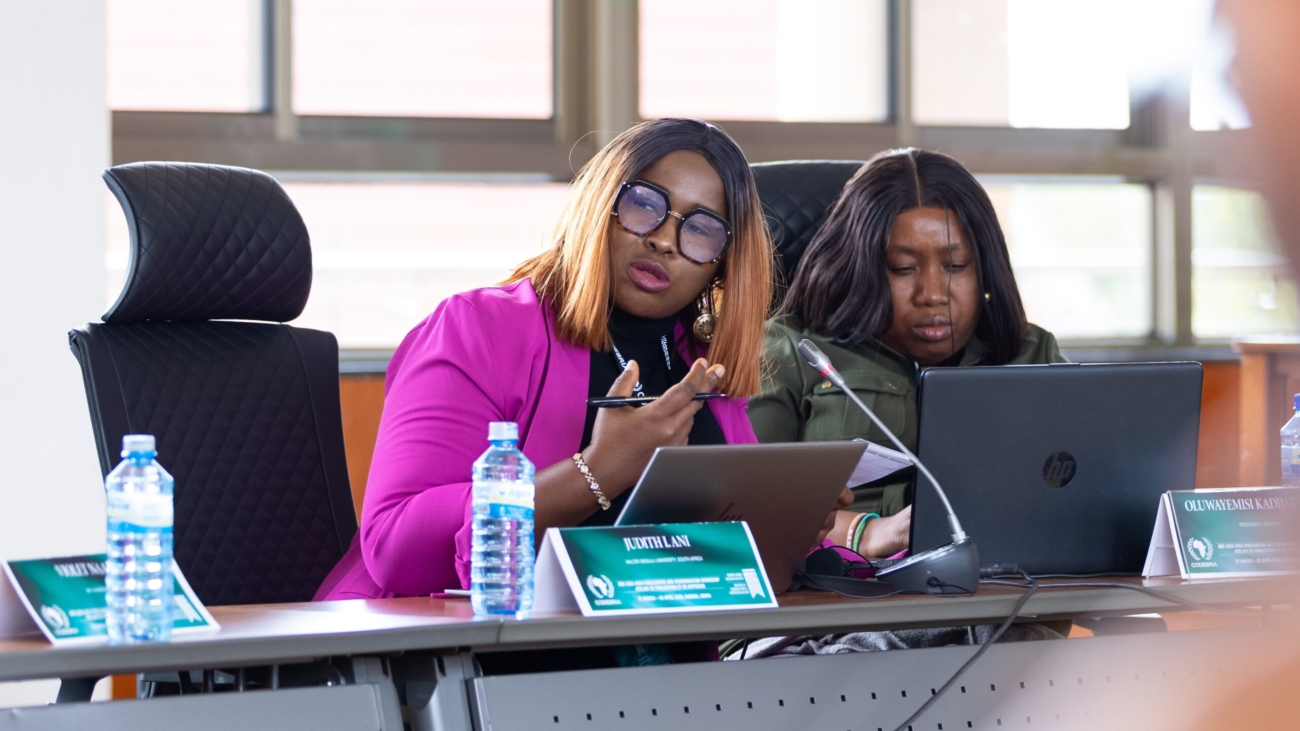
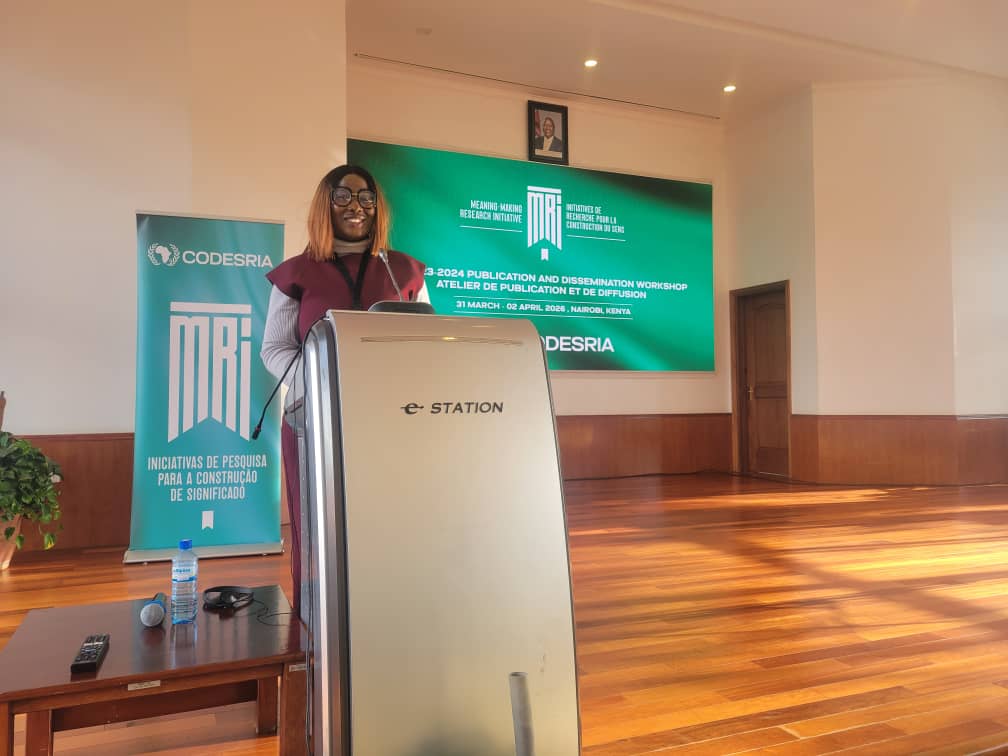
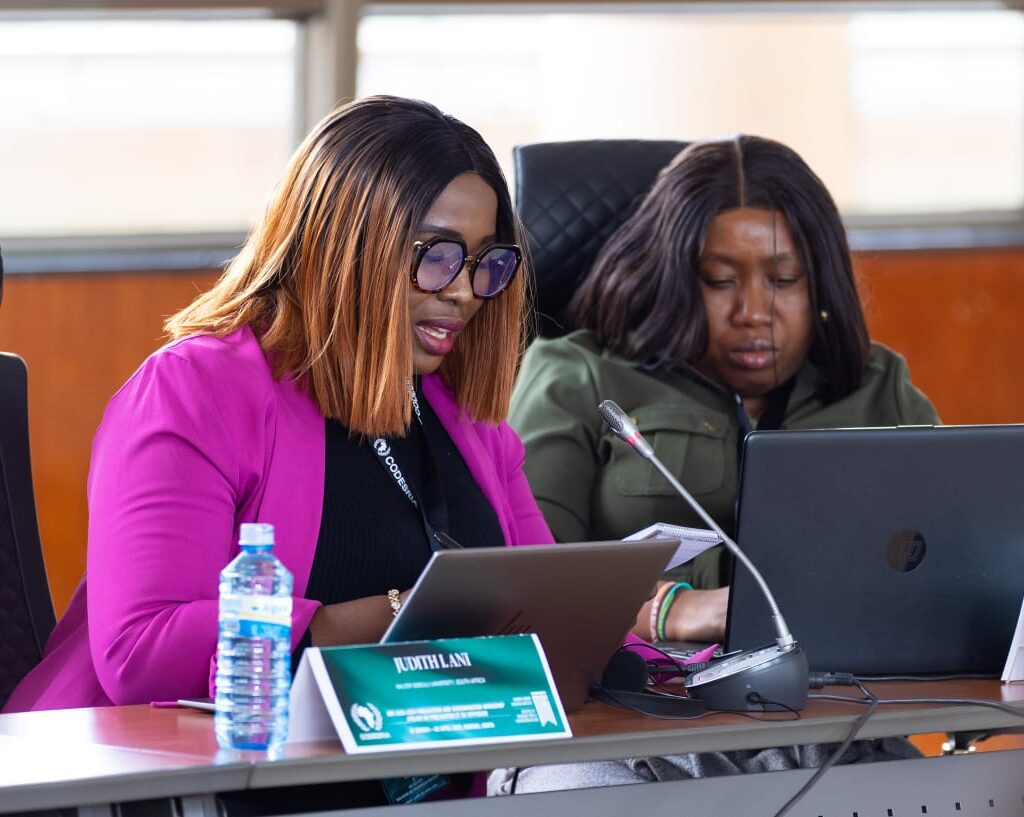
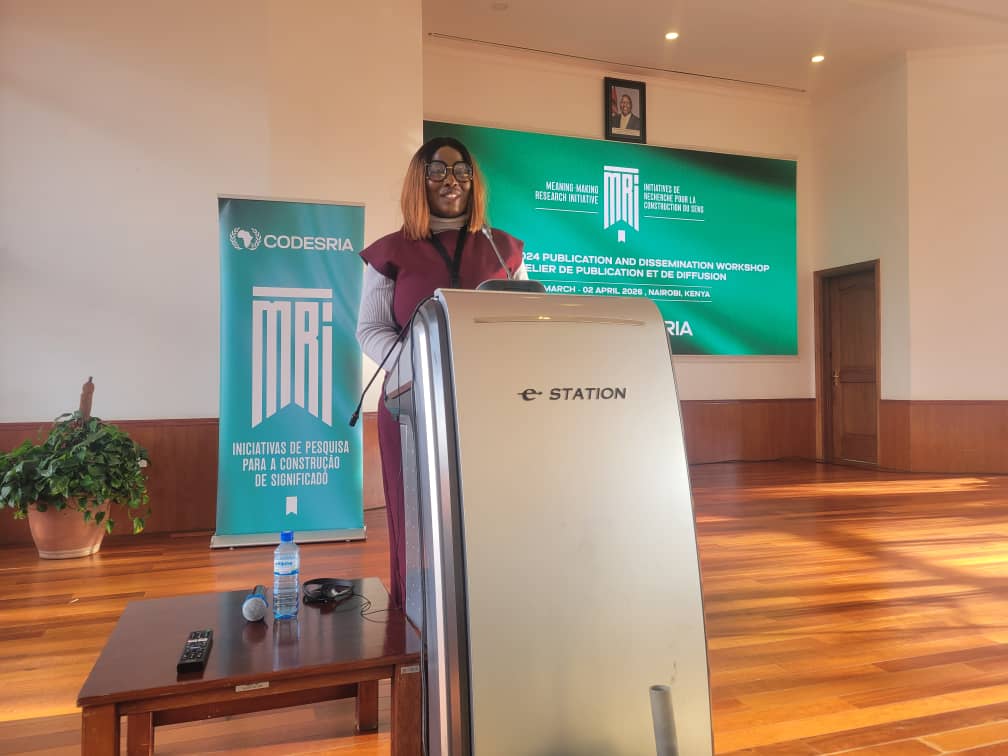
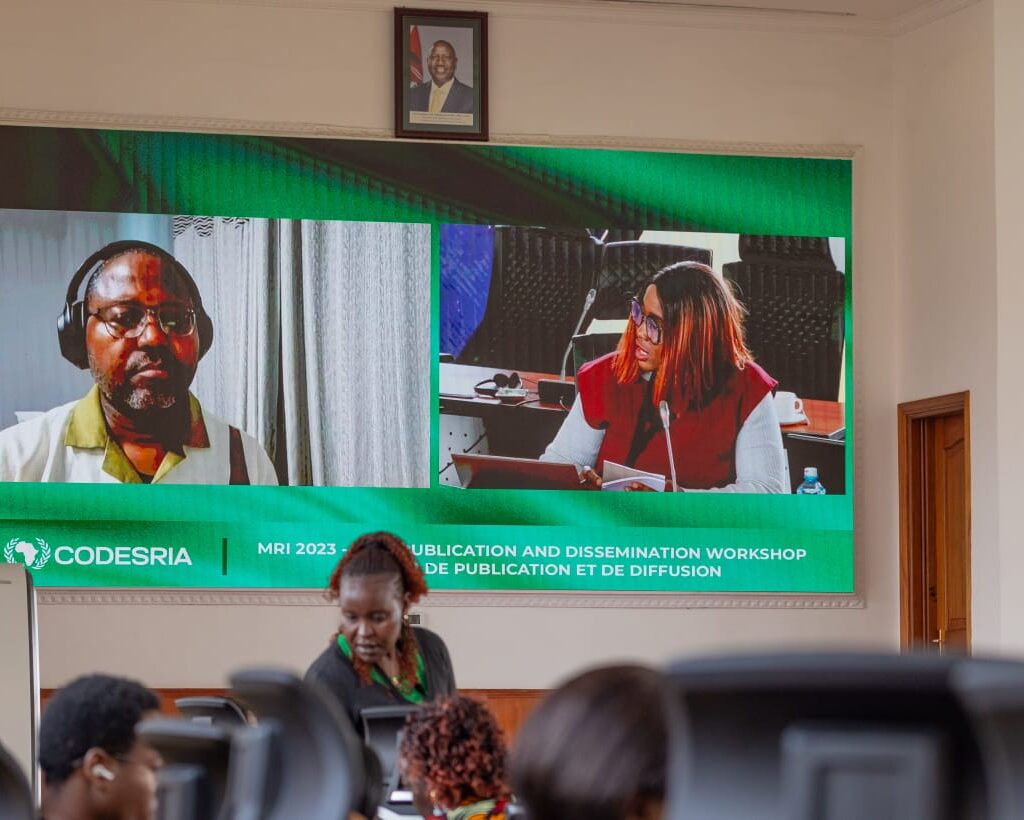
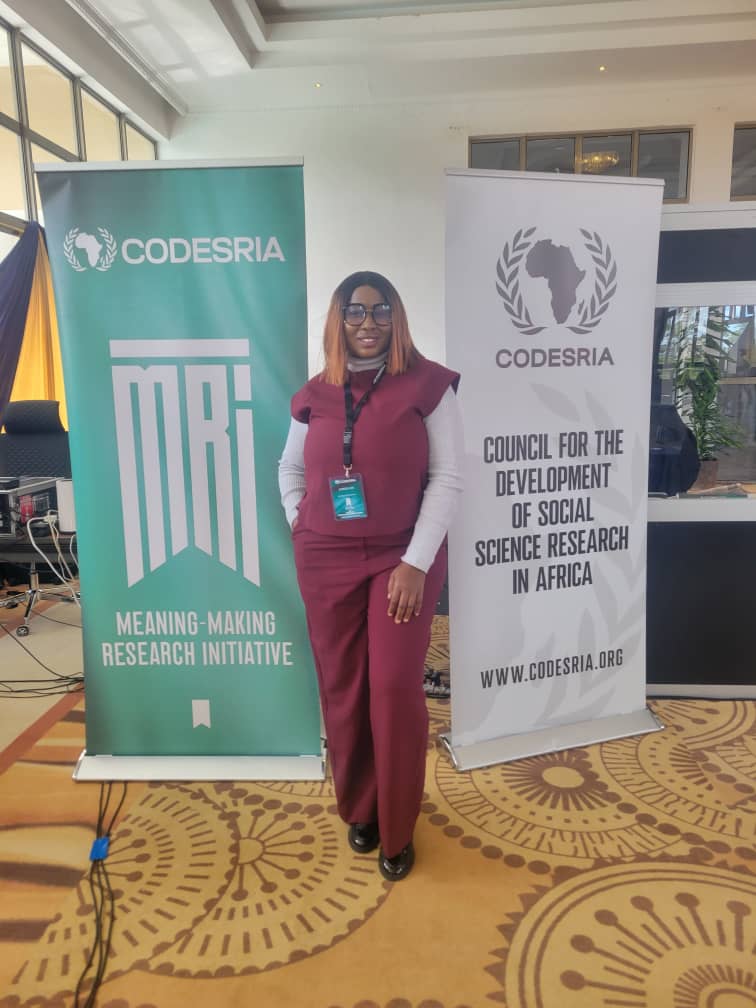
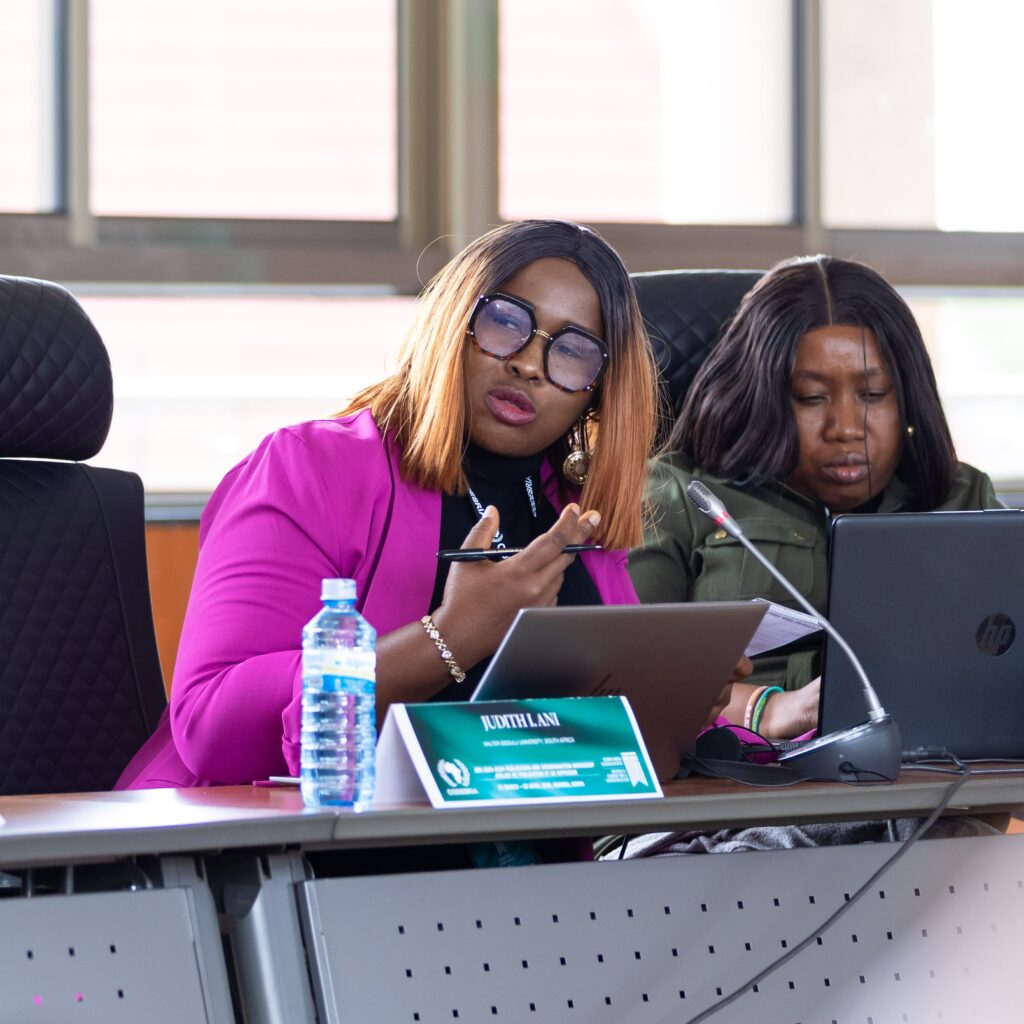
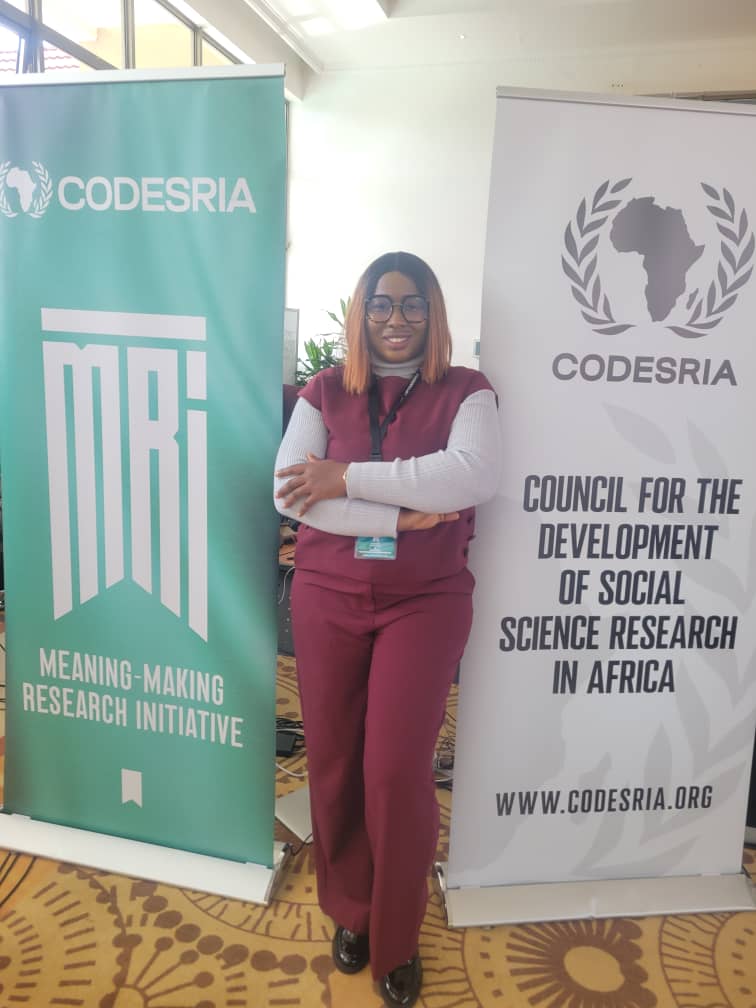
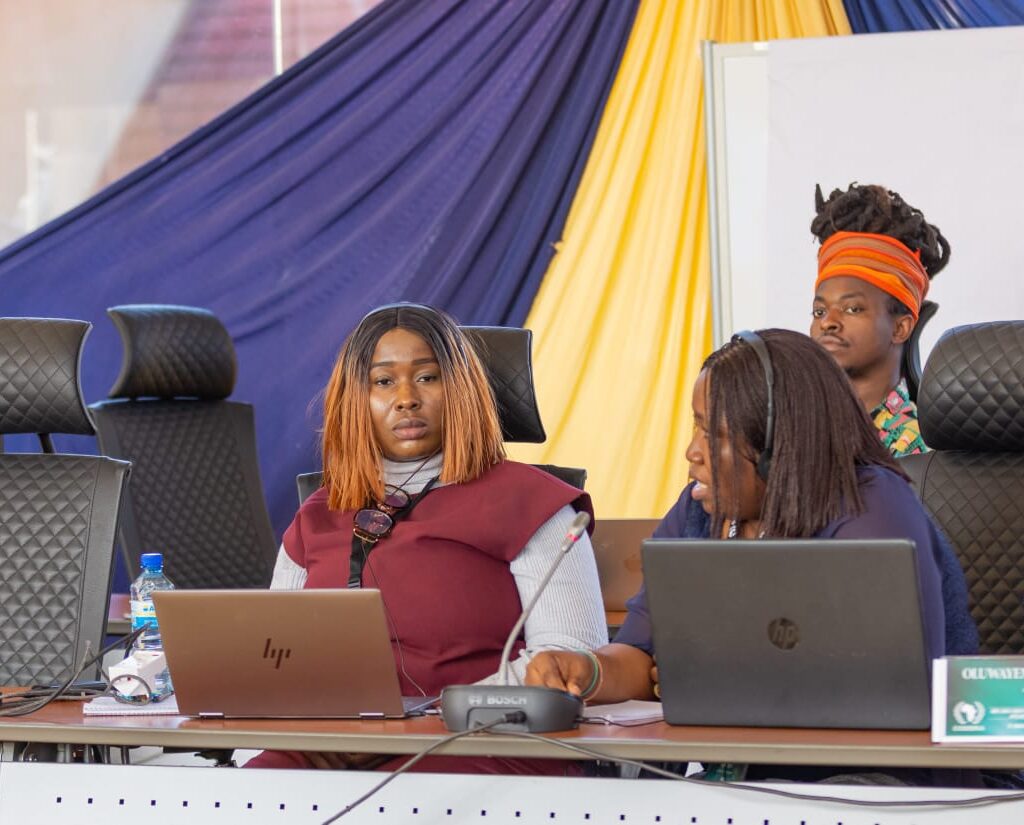
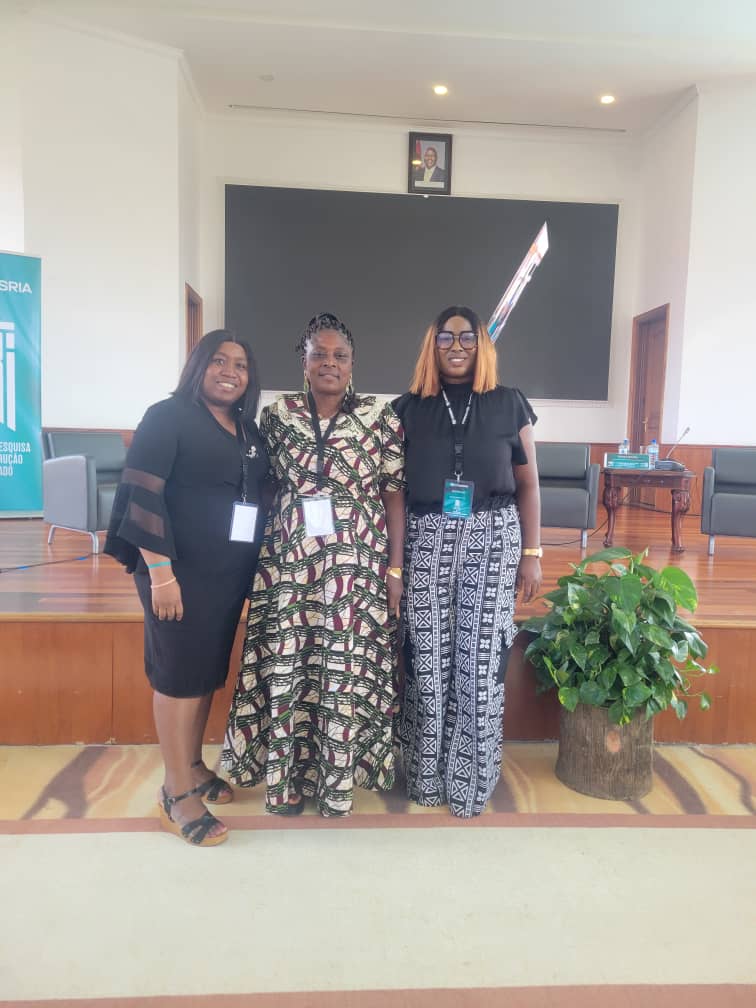
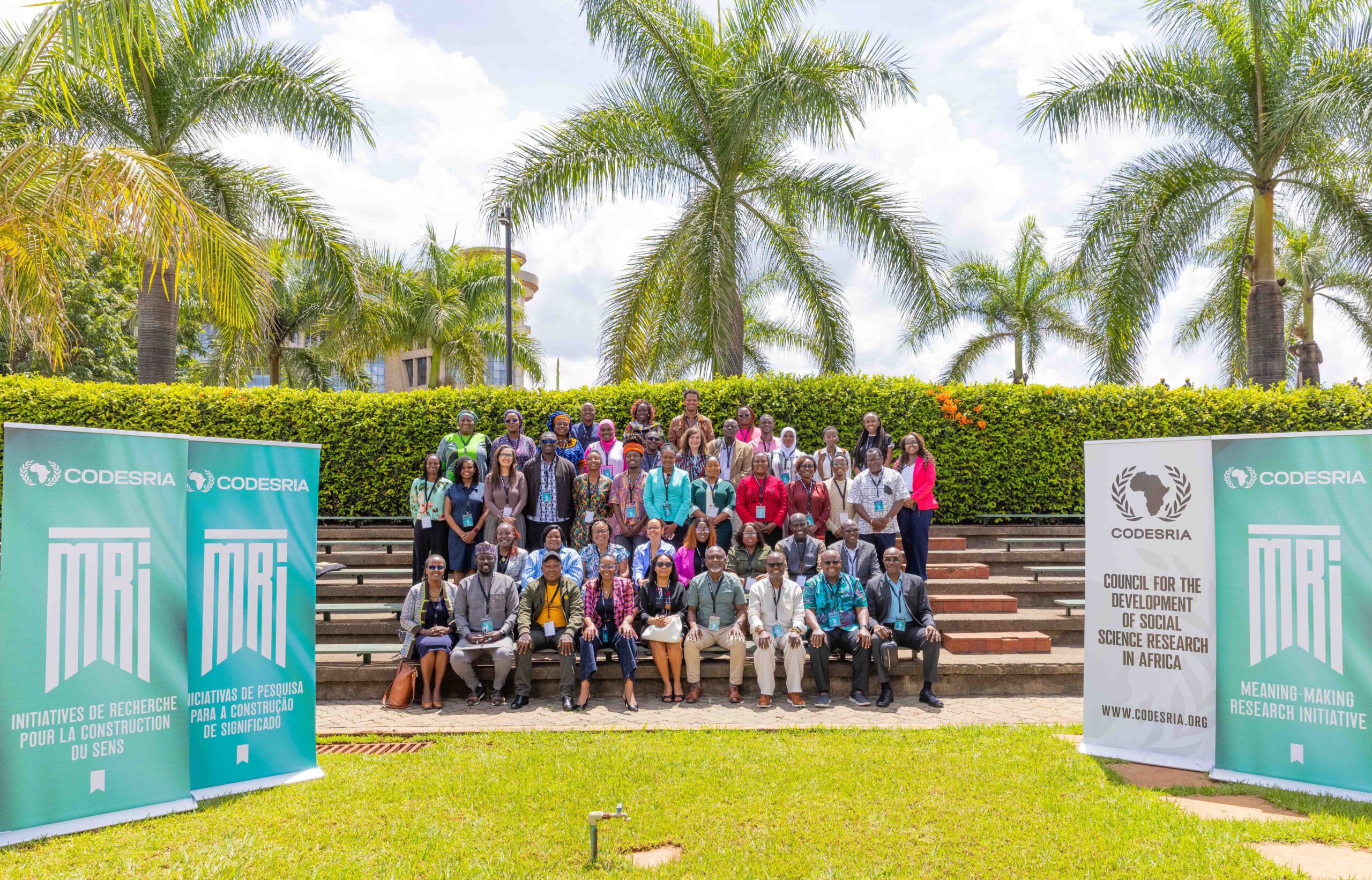
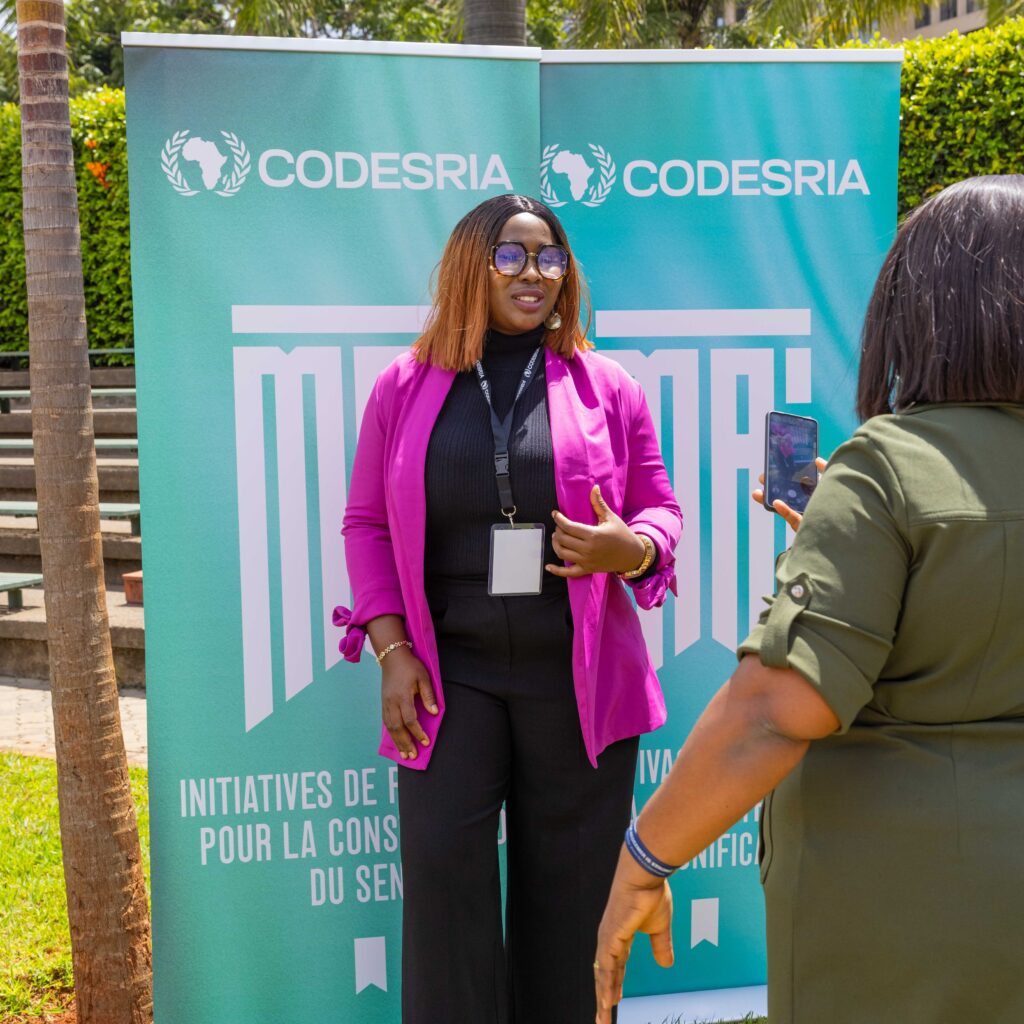
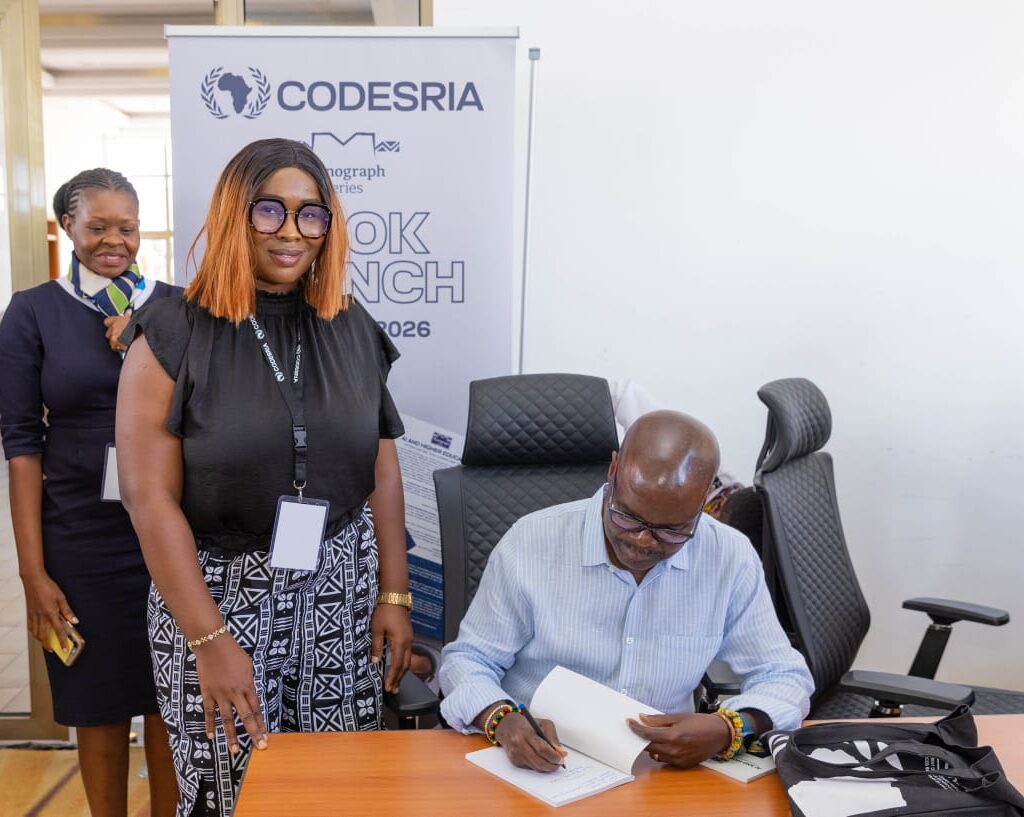
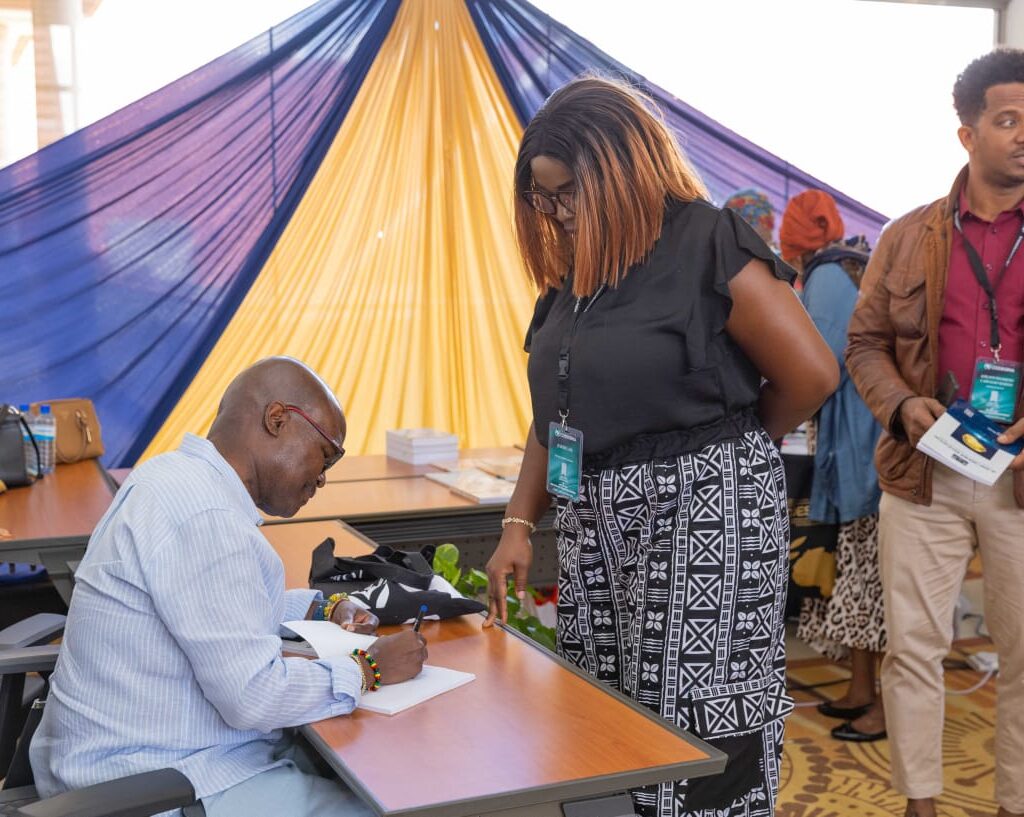
In April 2026, I had the privilege of representing my research team and presenting the key findings of our CODESRIA-funded study at the 2023/2024 MRI Publication and Dissemination Workshop in Nairobi, Kenya. The workshop brought together researchers from across Africa, united by a shared commitment to producing and communicating research that matters – research that can inform policy, shape practice, and ultimately improve lives.
Our presentation, titled “Climate Change Induced Flooding: Implications for Food Security and Income Among Female Smallholder Farmers in Nigeria,” drew from several months, mixed-methods study conducted across all six geopolitical zones of Nigeria. What we shared in Nairobi was not just data – it was the lived experience of many women farmers whose worlds are being quietly dismantled by crisis.
Why This Study? The Problem We Could Not Ignore
Nigeria sits at a critical and deeply troubling intersection: it is one of Africa’s largest agricultural economies, and yet it is also one of the continent’s most vulnerable countries to the effects of climate change. The agricultural sector contributes significantly to the country’s GDP, and rural women – as primary food producers and household caregivers – sit at the very heart of this system.
Yet, as rainfall patterns become increasingly erratic, temperatures steadily rise, and flooding events grow more frequent and more severe, these women are being pushed to the margins of survival. The global literature has long established the nexus between climate change and food insecurity, but the specific, gendered dimensions of this relationship within Nigeria’s diverse ecological and sociocultural contexts remained underexplored.
Our study sought to close that gap. Specifically, we set out to:
– Understand historical climatic trends across Nigeria over time;
– Ascertain the impact of flooding on the food security of female smallholder farmers;
– Assess how flooding affects their income levels; and
– Determine the coping mechanisms these women employ to survive.
With funding from the Council for the Development of Social Science Research in Africa (CODESRIA) and guided by theoretical lenses – we designed a study that would not just measure suffering, but listen to the voices behind the numbers.
A Study Rooted in Rigor: Materials and Methods
One of the aspects of our research that generated considerable interest at the Nairobi workshop was the robustness of our methodology. We adopted a mixed-methods research design – combining the depth of qualitative inquiry with the breadth and statistical power of quantitative analysis. The research spanned Nigeria’s six geopolitical zones, with data collected in Bauchi (North East), Jigawa (North West), Kogi (North Central), Bayelsa (South-South), Ogun (South West), and Anambra (South East). This geographic breadth allowed us to capture the diversity of Nigeria’s ecological, cultural, and economic contexts. Our study engaged female smallholder farmers as primary respondents, alongside state and non-state actors as key informants.
Who Are These Women? A Profile of Our Respondents
Understanding our findings requires understanding who the women at the centre of our study are. The sociodemographic profile that emerged from our data paints a picture of structural disadvantage layered upon structural disadvantage.
The majority of respondents (54.2%) were between the ages of 30 and 49. Most lived in rural areas (87.1%), had low incomes – with 87% earning less than ₦60,000 per month – and had limited formal education, with 52.9% having less than secondary-level schooling. Access to financial services was almost entirely absent: 85.6% had no access to credit. Digital and energy poverty further compounded their vulnerability – 83% had no internet access, and 62.4% lacked reliable electricity.
These are women who are already operating at the margins. The arrival of floodwaters does not merely inconvenience them. It destroys them.
Key Findings: What the Data Told Us – and What the Women Said
1. Nigeria’s Climate is Changing – and the Evidence is Unmistakable
Our analysis of historical climate data across Nigeria revealed a stark and alarming picture. In the North, rainfall has declined progressively, driving drought conditions, desertification, and crop failure. In the South and coastal regions, the picture is almost the opposite: increasing rainfall variability and heavier precipitation events have made flooding more frequent and more destructive.
Average temperatures increased from 27.0°C in 2001 to 27.8°C in 2022. Northern regions recorded persistently low humidity (41%–49%), while coastal and southern regions showed high but increasingly unstable humidity levels, often exceeding 80%.
Perhaps most significant historically is the transition our data revealed: from the 1960s through the 1980s, climate risks in Nigeria were predominantly drought-related. Today, the country has shifted decisively toward a flood-prone reality – a transition with profound implications for farming systems, food production, and rural livelihoods that have not yet adapted to this new normal.
2. Flooding Is Recurrent, Unpredictable, and Deeply Feared
The voices we gathered across Nigeria’s six zones were consistent in their testimony: flooding is no longer a seasonal inconvenience. It is a recurring trauma.
“The floods keep coming almost every year.” – Case Study Participant, Female, Kogi
“Yes, the flooding is now more serious than before. Before, we used to expect floods around September, but now it can start as early as July, and we are not always ready.” – FGD Participant, Female, Bayelsa
“Floods affected me so much… I invested my money on the farm thinking I will make profits and then floods came [and] washed away everything… we are just managing life.” – Case Study Participant, Female Flood Survivor, Jigawa
These accounts illustrate something that statistics alone cannot fully convey: the psychological weight of living under the perpetual threat of flooding. Women plan, invest, plant – and then watch the waters take everything.
3. Knowledge of Climate Change Is Low, But Flood Experience Drives Awareness
Our Climate Knowledge Index (Cronbach Alpha: 0.788) revealed that formal knowledge of climate change among female smallholder farmers remains low. However, an important finding emerged: flood experience was the most significant predictor of climate change awareness. Women who had lived through flooding were markedly more aware of climatic changes – not through textbooks or extension services, but through the painful school of lived experience.
4. Flooding Is Devastating Food Security Across Five Dimensions
We constructed a comprehensive Household Food Insecurity Index encompassing five dimensions and 53 indicators: food access, perceived food availability, food utilization barriers, food stability, and food agency. The findings were deeply concerning.
78% of households reported worrying that food would run out before they could afford to obtain more – a direct marker of food insecurity. Approximately three-quarters of respondents could only “sometimes” afford balanced meals. Many households reported regularly reducing meal quality or shifting to cheaper, nutritionally inferior food options.
Our State and Flood interaction analysis revealed something particularly important for policy: the impact of flooding on food security is “location-sensitive”. Two farmers with identical educational backgrounds and similar farm sizes may experience dramatically different food outcomes depending solely on where they farm. This underscores the importance of geographically disaggregated food security interventions.
5. Flooding is Economically Devastating – The Numbers Are Stark
Using Structural Equation Modelling, we quantified what many policymakers have intuited but rarely measured with precision: flooding has a strong and statistically significant negative effect on income. Specifically, each one-unit increase in flooding severity reduces a female farmer’s monthly income by approximately ₦22,279. This happens either directly or indirectly. The direct pathway shows that flooding suppresses income. The indirect pathway is mediated through food insecurity as follows: Flooding → Food Insecurity → Income reduction. Both are statistically significant.
In other words, flooding does not only destroy crops in the moment – it deepens food insecurity, which in turn further erodes household income in a compounding cycle of deprivation.
6. Coping Strategies Are Largely Self-Driven – and Insufficient
Our analysis of preparedness and coping mechanisms revealed a troubling pattern: these women are largely “left to cope alone”.
Across six preparedness and response indices, the scores were uniformly low or average:
– Early Warning and Monitoring Index: Low (40.3%)
– Community and Institutional Response Index: Low (45.0%)
– Household and Individual Preparedness Index: Low (45.4%)
– Financial and Livelihood Adaptations Index: Average (42.5%)
– Social and Support Networks Index: Average (56.0%)
– Overall Preparedness: Poor (20.1%)
Coping strategies ranged from borrowing money and skipping meals to taking on additional jobs and drawing on indigenous adaptive knowledge. But these strategies are reactive, not preventive – and they are proving insufficient against the scale and frequency of contemporary flooding.
Beyond the Numbers: What Analysis Further Revealed
Some of the most profound – and perhaps most overlooked – dimensions of our findings emerged from our qualitative analysis. Climate change, our study reveals, is not merely an environmental or economic crisis. It is a gendered, socio-cultural, psychosocial, and even spiritual crisis for these communities.
Gendered: Flooding intersects with and exacerbates existing gender inequalities, touching on reproductive health, gender-based violence, and women’s reduced bargaining power within households and communities.
Psychosocial: Female farmers reported trauma, anxiety, and psychological distress linked to recurring flood events – dimensions that remain entirely absent from most climate adaptation frameworks.
Cultural: Indigenous knowledge and cultural practices – including beliefs about specific plants that can ward off floods – form an important part of how communities interpret and respond to climate events. These cannot be dismissed; they must be engaged.
Spiritual: In some communities, flooding has been “deified” – understood as a spiritual phenomenon as much as a physical one. This shapes how communities respond and what interventions they will accept.
Our findings also documented how flooding is “accelerating the feminisation of agrarian poverty” – deepening women’s economic vulnerability, displacing them from ancestral land, eroding cultural ties, and in some cases triggering “de-agrarianization”: women withdrawing from farming altogether, a development with dire implications for household food systems and rural community stability.
Some Recommendations from Our Study
Our research concludes with some clear and urgent set of recommendations:
Women-centred climate adaptation policies – Policy must explicitly recognise and respond to the gendered dimensions of climate-induced flooding.
Improved access to land, finance, and agricultural innovation – Structural barriers that limit women’s economic agency must be dismantled.
Integration of indigenous knowledge systems – Adaptation frameworks must incorporate, not ignore, the knowledge that communities have developed over generations.
Community-driven, Afrocentric approaches – Solutions imposed from outside will fail. Locally-rooted, culturally-resonant strategies are more likely to succeed.
Expanded climate financing for vulnerable communities – The communities most affected by climate change are also those with the least access to adaptation funding.
A shift from reactive to proactive resilience – The current reliance on experience-based coping must give way to proactive climate education and preparedness before disasters strike.
Our recommendations are directly relevant to the achievement of multiple Sustainable Development Goals:
SDG 1 (No Poverty)
SDG 2 (Zero Hunger)
SDG 3 (Good Health)
SDG 5 (Gender Equality)
SDG 8 (Decent Work)
SDG 11 (Sustainable Communities), and
SDG 13 (Climate Action).
Challenges
It is worth noting that fieldwork was not without its challenges. Several communities were only accessible by boat. We encountered call-back difficulties, requests for payment, security concerns, field accidents, and participant attrition – partly due to displacement from prior flood events, and partly due to communities’ negative experiences with previous researchers. These challenges only deepened our conviction that rigorous, ethical, community-centred research in these contexts demands patience, adaptability, and genuine respect for participants.
A Few Other Highlights Worth Mentioning
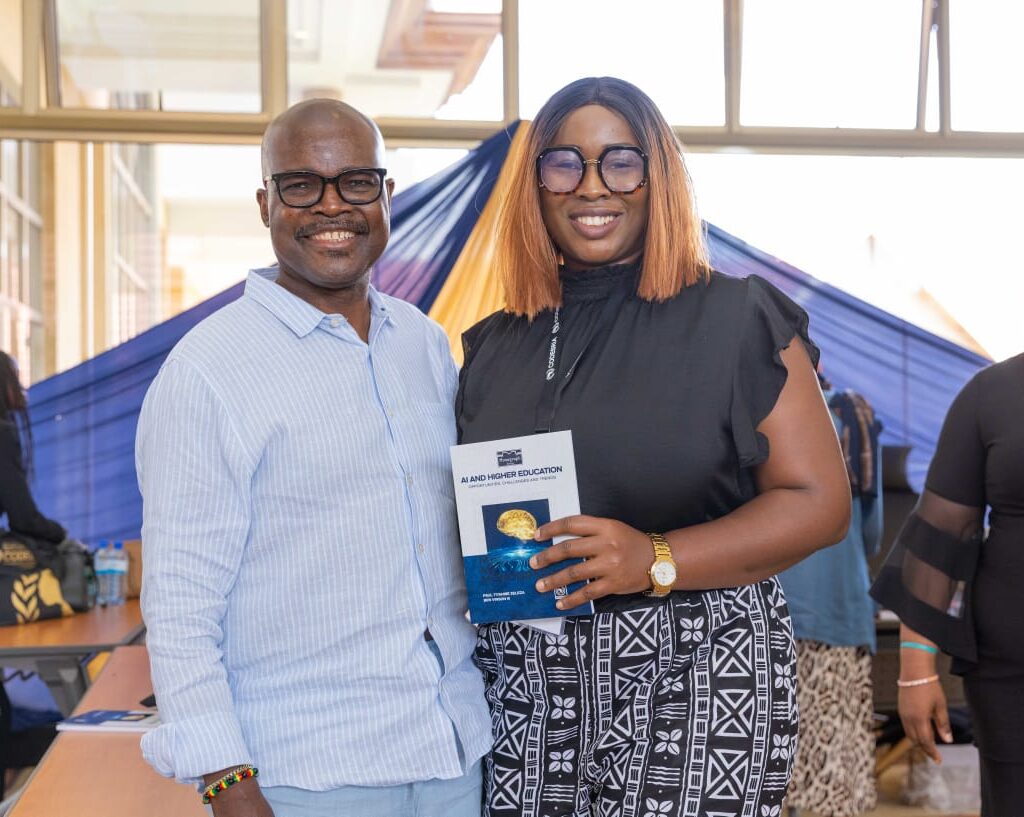
The workshop was far more than a platform for presenting research – it was a vibrant intellectual gathering that brought together scholars from across Africa to interrogate the state of knowledge production, publication, and dissemination on the continent. The workshop featured two landmark keynote addresses: Professor Paul Tiyambe Zeleza challenged participants to confront the transformative – and disruptive – implications of Artificial Intelligence for social science research and knowledge circulation in Africa, while renowned Kenyan author and media personality Barack Muluka delivered a compelling talk on intellectual freedom as an epistemic standpoint, urging African researchers to reclaim agency over how knowledge produced on the continent is processed, published, and shared with the world. A highlight of the workshop was the much-anticipated book launch of AI and Higher Education: Opportunities, Challenges and Trends, co-authored by Paul Tiyambe Zeleza and Ben Vinson III – a timely and thought-provoking contribution that sparked rich debate among participants. Adding to the personal significance of the workshop, I had the honour of serving as rapporteur for Barack Muluka’s keynote session, a role I found both instructive and deeply rewarding.
Reflections on Nairobi
Presenting this work at the MRI Publication and Dissemination Workshop in Nairobi was both humbling and energising. The questions, observations, and contributions from fellow researchers deepened our understanding and reaffirmed the importance of this kind of research – research that centres African voices, African experiences, and African solutions.
We are grateful to CODESRIA for the funding that made this study possible, and to the many mentors and colleagues who shaped our thinking throughout the research process. Above all, we remain grateful to women farmers across Nigeria who trusted us with their stories, their pain, and their resilience.
As Ban Ki-Moon once observed: “Climate change is the single greatest threat to a sustainable future – but, at the same time, addressing the climate challenge presents a golden opportunity to promote prosperity, security, and a brighter future for all.”
For Nigeria’s female smallholder farmers, that future cannot wait.
The full study was supported by CODESRIA. For enquiries or collaborations, please contact the lead researcher: info@judithiani.com
Dr. Ani continues to advance her commitment to research excellence and capacity development through active participation at workshops and conferences. During the Glotan–Durban University of Technology Joint Conference on Climate Change and Economic Management for a Sustainable Future, held in Durban, South Africa, Dr. Ani facilitated a capacity-building session titled “Writing Grant-Winning Proposals,” designed to equip academics, early-career researchers, and development practitioners with practical skills for securing competitive research funding.
The session addressed the growing need for high-quality, fundable research proposals capable of responding to complex global challenges such as climate change and sustainable development.
Dr. Ani’s presentation provided participants with a structured approach to grant writing, emphasizing strategic alignment with funders’ priorities, clarity in research problem formulation, and methodological rigor. She also offered practical insights into budgeting and justification, dissemination planning, and common weaknesses that often undermine otherwise promising proposals.
Key thematic areas covered during the session included:
Pre-Proposal Planning: Understanding eligibility criteria, aligning research ideas with donor priorities, and adhering to timelines.
Proposal Structuring: Clearly articulating research motivation, objectives, methodology, and expected contributions.
Budget Development and Justification: Ensuring coherence between project activities and financial plans.
Common Pitfalls in Grant Writing: Identifying and avoiding frequent causes of proposal rejection.
Responding to Rejection: Building resilience and effectively incorporating reviewer feedback into revised submissions.
A major highlight of the session was the emphasis on resilience in the grant application process. Drawing on professional experience, Dr. Ani encouraged participants to view rejection as part of scholarly growth and a pathway to improved funding success.
The session was highly interactive, with participants actively engaging in discussions and sharing lived experiences of grant writing challenges. Feedback from attendees highlighted the session’s practical orientation, mentorship-driven approach, and relevance to contemporary research funding landscapes.
Dr. Ani’s participation in this international conference reflects her ongoing dedication to strengthening research capacity, fostering interdisciplinary collaboration, and supporting scholars to produce impactful, fundable research that contributes to sustainable development outcomes.
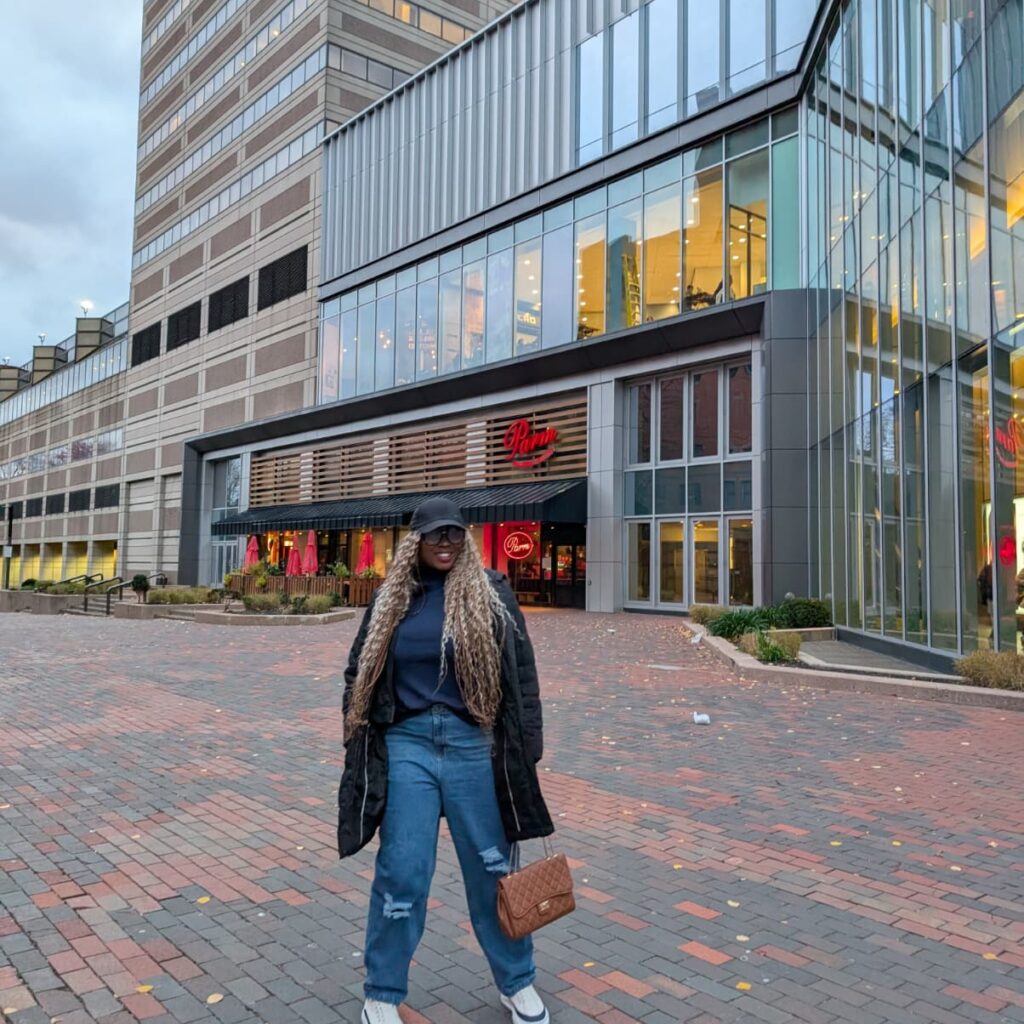
If cities could tell stories, Boston would whisper its tales gently – through its chilly November breeze, its busy train stations, and the warm heartbeats of the people who pass through it. This year, my visit to Boston became much more than a conference trip; it transformed into a tapestry of friendship, curiosity, culture, and countless little moments that stitched themselves into memory.
A City That Greets You With Both Wind and Warmth
Boston’s weather in November dances between crisp cold and soft sunlight, the kind that wakes you up gently but insists you wrap your scarf a little tighter. Every morning, the air smelled of roasted coffee beans drifting from cozy cafés tucked between historic brick buildings. I became loyal to the city’s coffee shops far too quickly – coffee cups always warming my hands, and, more importantly, warming my spirit. Chicken wraps, fresh vegetable bowls, and the comforting rhythm of fellow commuters made every meal feel like a pause in the rush of discovery.
Trains, Long Walks, and the Poetry of Movement
The train rides – oh, the train rides – became my daily meditation. From Hynes Convention Center to various spots, I took a long walk that stretched into the night, the city lights providing company. The sidewalks were alive with conversation, laughter, and that familiar hum of a place that refuses to sleep. Boston teaches you how to think while walking, how to breathe between footsteps, and how to appreciate the small silence that comes when the wind brushes past your ears.
The Harvard Glow
A visit to Harvard was like stepping into a living postcard. Its lawns, even in the cold, carried an unmistakable academic charm – the kind that silently reminds you of the dreams you’re nurturing. Each building felt like a guardian of centuries of ideas, and even the fallen leaves seemed scholarly.
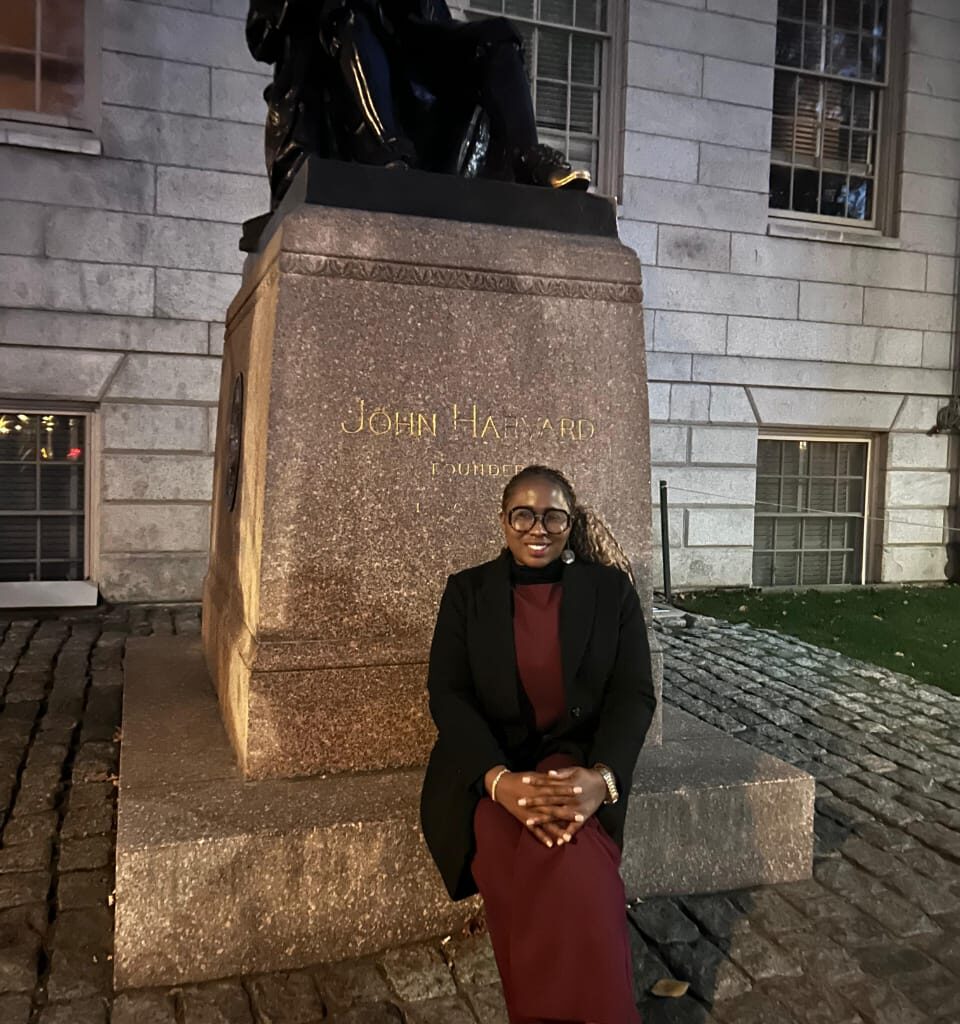
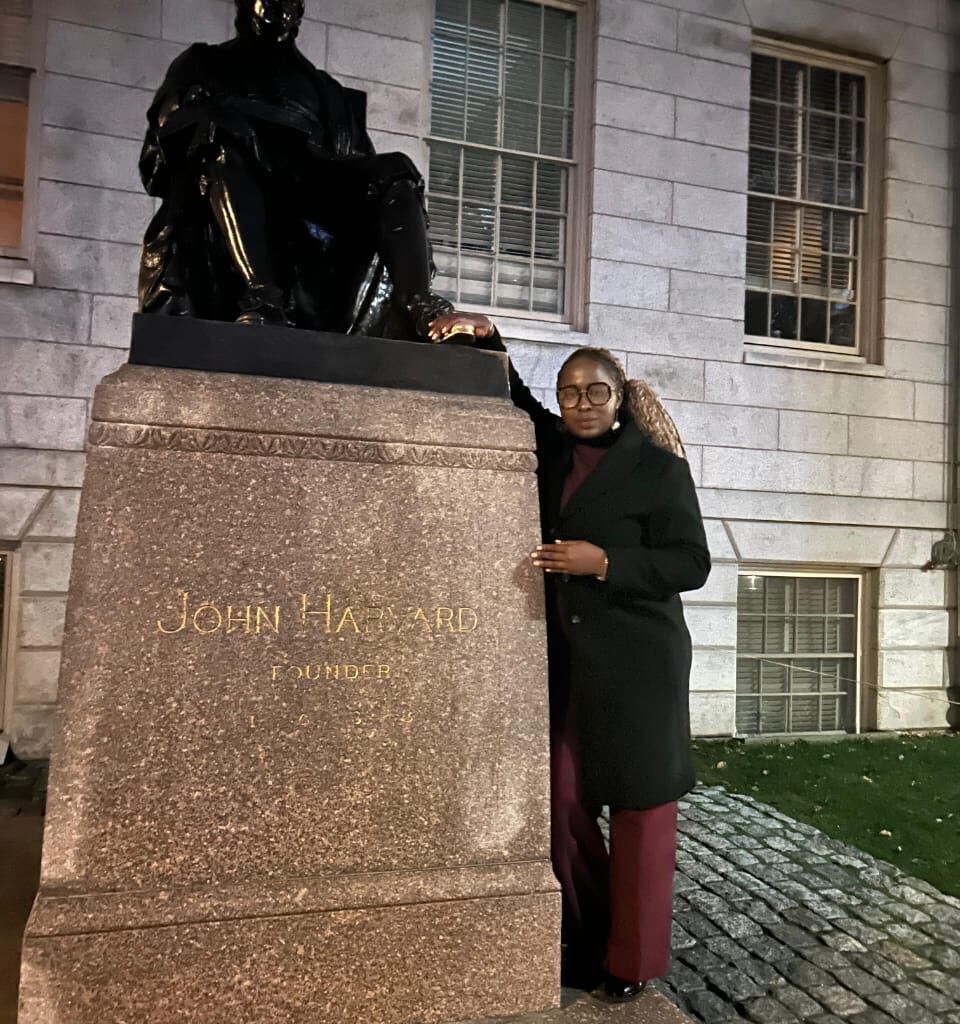
Harvard had a hum in the air – an almost spiritual seriousness mixed with an inviting curiosity. As I walked through Harvard Yard, I noticed a small crowd gathering around the famous statue of John Harvard, the so-called “Father of Harvard” and a symbol of academic destiny for thousands of visitors.
Almost instinctively, everyone reached out to touch the statue’s foot – a ritual said to bring good luck, intellectual clarity, and scholarly breakthroughs. It was fascinating to watch people from all over the world, speaking different languages, share this single moment of reverence, each with their own silent wish.
And of course, I joined them.
With a quiet smile, I stepped forward, placed my hand on the polished bronze foot, and let myself soak in the meaning of the gesture. The metal was cold, but the symbolism was warm – standing there, touching the foot that countless dreamers before me had touched, I whispered my own prayer for good fortune, wisdom, and elevation in my academic journey. It felt almost sacred. A brief but powerful moment of connection – with the past, with the present, and with possibilities yet to unfold.
Harvard does that to you. It makes you believe more deeply in what you are capable of.
Giving Back: A Noon at Kennedy High School, Somerville
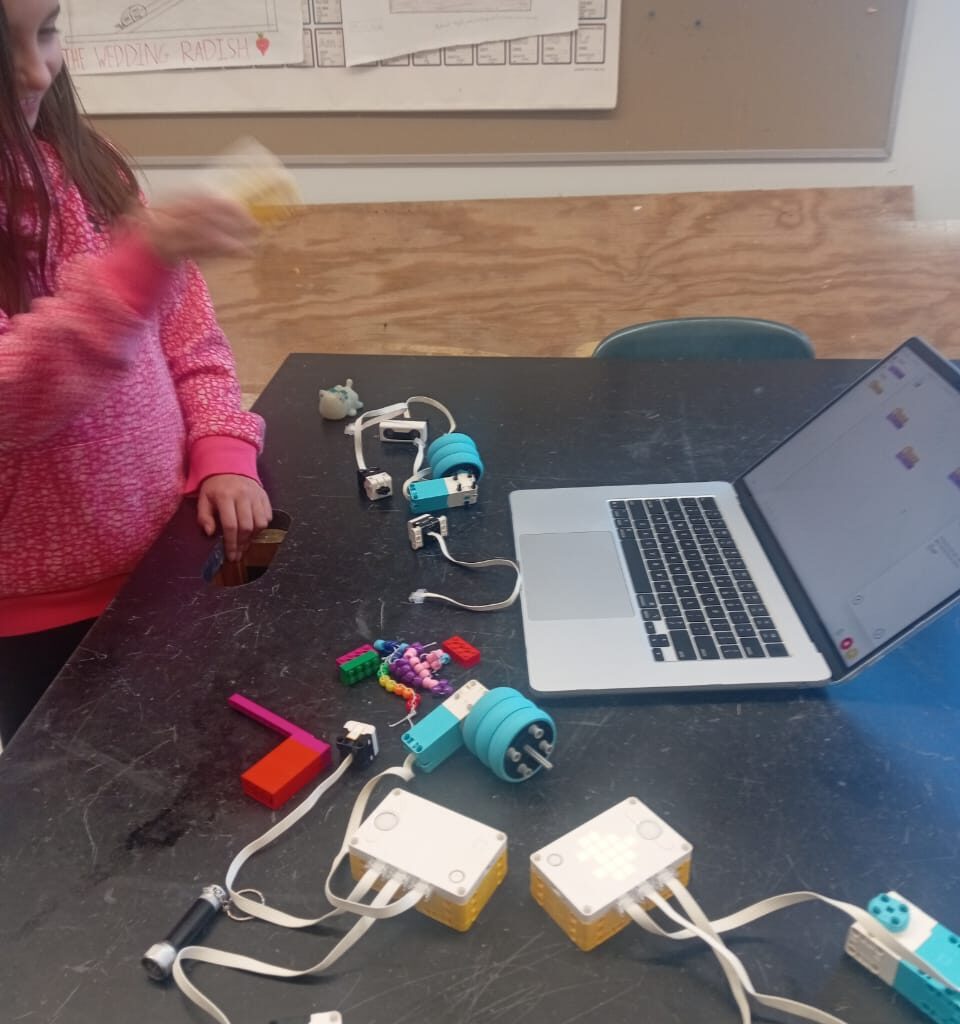
One of the most grounding and joy-filled parts of my trip was volunteering with the NGO Kids in Tech at Kennedy High School in Somerville. Stepping into the classroom felt like stepping into a world buzzing with possibility. The learners were not just energetic – they were sharp, curious, imaginative, and wonderfully alive with questions that poured out faster than we could answer.
They were the kind of kids who remind you why the future is bright.
Their eyes sparkled with curiosity, the kind that comes from genuinely wanting to understand the world – not just memorise it. They asked thoughtful questions about technology, culture, and the places I had travelled from. Many of them shared their own dreams too: becoming engineers, scientists, coders – dreams so big they seemed almost too large for the room, yet perfectly fitting for their minds.
There was also a beautiful playfulness in the way they learned. One moment they were racing to complete a robotics challenge, and the next, they were laughing loudly at inside jokes, teasing each other with the kind of camaraderie that only young, confident learners share. Their ability to balance seriousness with fun, focus with creativity, and discipline with joy was truly refreshing.
What struck me most was how effortlessly smart they were – not just academically, but emotionally and creatively. They worked in groups, supported each other, debated ideas, and celebrated every little victory with full enthusiasm. In their presence, learning didn’t feel like an obligation; it felt like an adventure.
Being with them reminded me that showing up, even for a short time, can create ripples in ways we may never fully see. They made me hopeful. They made me smile. They made me believe deeply – again – in the power of nurturing young minds.
And as I walked out of the school building that day, I carried their laughter, their dreams, and their bright energy with me like a warm souvenir.
Warm Plates, Warmer Connections
What is travel without food – without the flavors, aromas, and small sensory surprises that shape your memories as much as the places and people do?
In Boston, food became one of my quiet companions. From the steady rhythm of my daily coffee runs to the comforting familiarity of warm meals on cold days, each bite told a story. I discovered cafés where the baristas greeted you like an old friend, and where the smell of freshly brewed coffee wrapped itself around you like a gentle morning hug. Every sip seemed to nudge my energy into motion, preparing me for the conference-filled days ahead.
Then there were the wholesome vegetable bowls – vibrant, colorful, beautifully arranged. They made me feel, in the best possible way, like a responsible adult nourishing both body and intention. Crisp greens, roasted vegetables, tangy dressings – they tasted like wellness in a bowl, the kind that resets your day and reminds you that balance is a quiet form of self-care.
But one of the most heartwarming food moments was my visit to a Nigerian restaurant – one that felt like stepping into a pocket of home carved out in a foreign city. The spices embraced me instantly: the familiar warmth of pepper, the richness of stew, the aroma of well-seasoned meat; flavors that whispered, You are home, even here. I could almost hear the sounds of kitchens back in Nigeria, the laughter, the storytelling, the sense of belonging that only certain meals conjure so vividly.
We had fun. I couldn’t but capture a short video that expresses the bliss of the moment.
Boston, without trying too hard, served both nostalgia and novelty – meals with colleagues that fed my heart, comforted my soul, and reminded me that food is not just nourishment but a form of memory-making layered with social connection, shared stories, and quiet moments of belonging. And I embraced every dish wholeheartedly, savoring each moment as its own little joy.
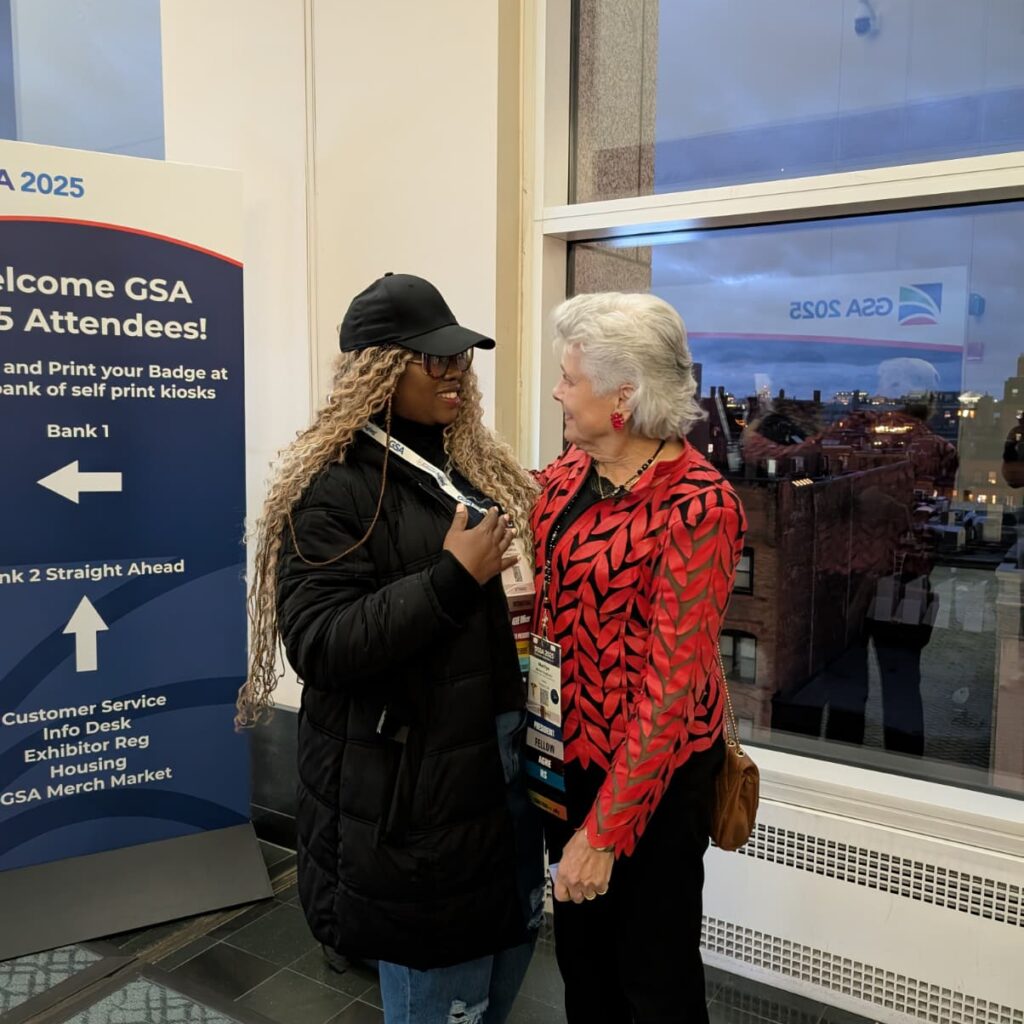
An Embrace to Remember: Meeting the GSA President
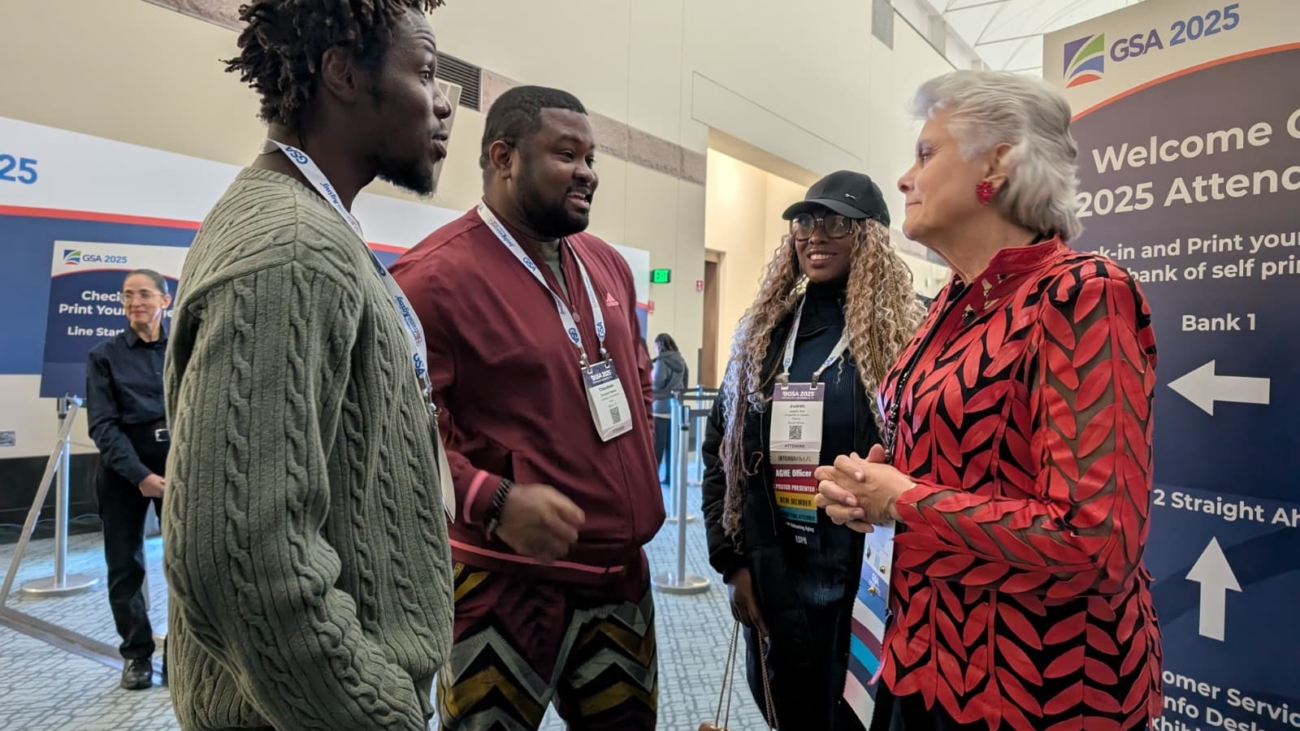
At the GSA meetings, the warmth was not just from the heating vents but from the people – colleagues, mentors, and strangers who soon became friends. Yet one moment stood out in a way I did not expect.
The President of the Gerontological Society of America welcomed me with such genuine kindness – an amiable, heartfelt hug that instantly dissolved the monotony of long flights, cold winds, feelings of alone-ness and conference bustle. It wasn’t a formal, distant greeting; it was a gesture of openness, humanity, and true collegiality. In a field where titles and credentials often tower over personalities, her warmth felt like an invitation – not just into the conference, but into the wider family of gerontology scholars.
That embrace said something powerful about her leadership.
It reflected a leadership grounded in accessibility, empathy, and connection – qualities that are often spoken about but rarely practiced with such sincerity. She led not from behind a podium, but from a place of shared humanity. She embodied the idea that great leaders do not create distance; they create belonging. Her hug, simple as it was, symbolized the climate she has cultivated in GSA: one where emerging scholars feel seen, welcomed, and encouraged.
That brief moment, captured in my memory alongside my official GSA headshot, became a defining symbol of the professional connections, mentorship, and friendships strengthened at the conference. It reminded me that leadership is not merely about guiding an organization – it is also about lifting people, one warm gesture at a time.
Art That Got Away
My attempt to visit the Boston Museum of Fine Arts turned into a story of its own – the doors were closed, but the building itself stood like a monument of imagination. Even without stepping inside, I felt enveloped by the quiet dignity of art waiting behind the walls.
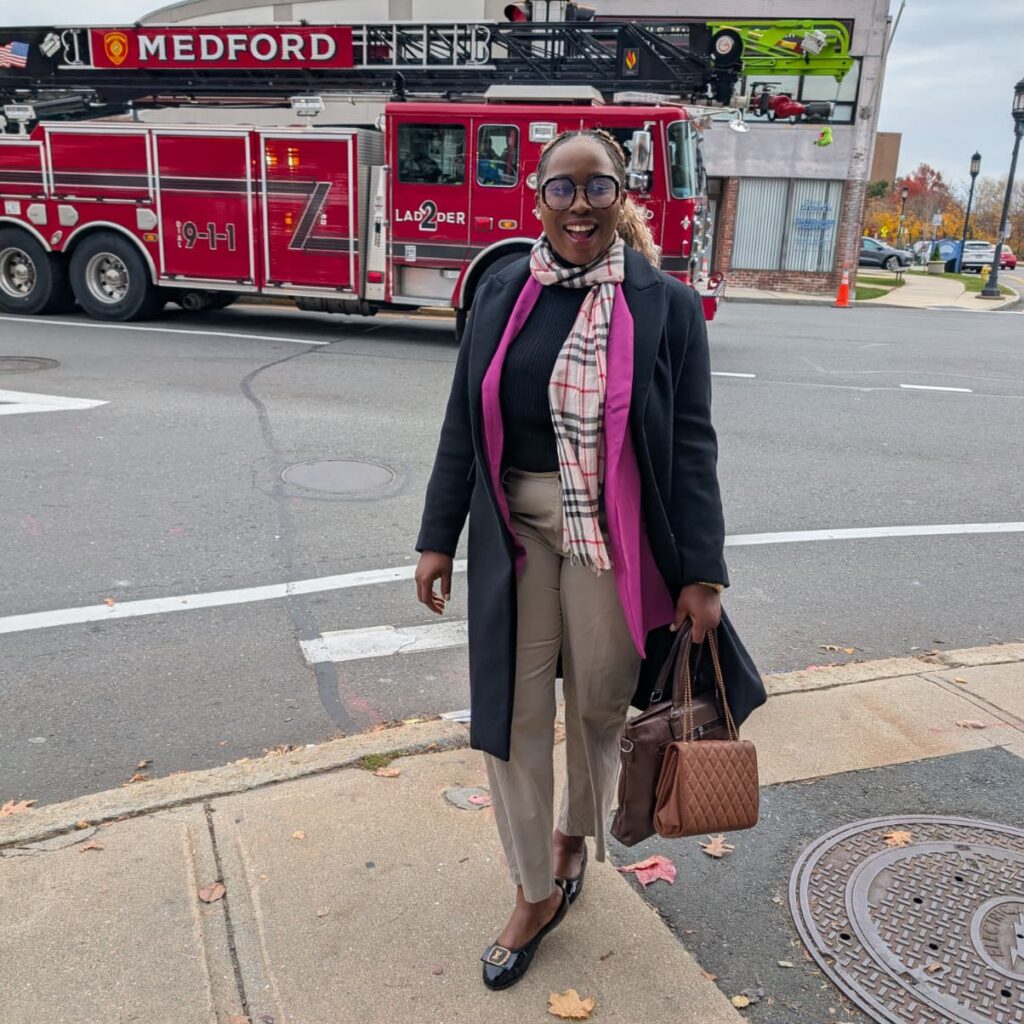
Despite this failed attempt to see the Museum, I felt ready to return to the familiar streets of Medford Square. Confidently, I boarded the 96 Harvard Square bus only to realize, halfway through the ride, that something was off. The streets looked different. The shops were unfamiliar. I heard my spirit whisper to me that I was in a wrong bus and I found myself laughing at my mistake – I had boarded the 96 to Harvard square instead of Medford Square.
Here I was, returning from a temple of art which I could not see, only to find myself driven to the streets of Harvard by accident. Somehow, it felt appropriate: the universe had decided that even a trip home deserved a touch of improvisation.
By the time I corrected course and finally arrived back where I belonged, the museum visit felt even richer despite not getting to see the arts, but for the story I had collected on the way back: a little detour, a lot of laughter, and a reminder that sometimes the most memorable moments happen when you take the “wrong” turn.
Colleagues, Laughter, Stands, and Midnight Conversations
The GSA exhibitions buzzed with innovation and ideas. I wandered from stand to stand, absorbing conversations, shaking hands, taking photos with colleagues – both old and newly met. Some were long-term contacts I had not seen in years; reconnecting with them felt like returning to chapters I had once paused.
Evenings turned into dinners, and dinners turned into bowling nights with faculty and colleagues from universities across the U.S. Laughter spilled across the bowling lanes as easily as the clattering of pins. Those moments reminded me that academic journeys are not only about papers and presentations – they are about people.
The Open Road: New York, New Jersey and Maryland
In the midst of conferences and commitments, I embraced the spontaneity of road trips – to New York, New Jersey and later to Maryland. The highways stretched like long silver ribbons, carrying stories, music, and laughter. New cities, new skylines, but the same spirit of adventure.
A Journey That Stays With You
Boston was cold, yes—but it warmed me in the ways that mattered.
In the friendships built, the quiet moments stolen between events, the hugs exchanged, the art longed for, the students inspired, the coffee savored, and the miles travelled by train, road, and foot.
This trip reminded me that professional journeys are deeply personal ones too. And sometimes, the most meaningful parts of a conference happen outside the conference hall – on train rides, over shared meals, through unexpected hugs, and across long wintery walks.
And oh, how could I forget these two angels – Omotola and Bunmi – whom circumstance led me to, and who became a gentle reminder that some connections are divinely timed. In their laughter, kindness, support and presence, I found warmth, ease, and the kind of companionship that turns unfamiliar spaces into moments of home. They made my stay a gentle story of laughter, warmth, and unexpected friendship, one I will carry with me long after the journey ended. My trip became softer, brighter, and deeply memorable, turning moments into lasting memories and an unfamiliar city into a place of warmth and belonging.
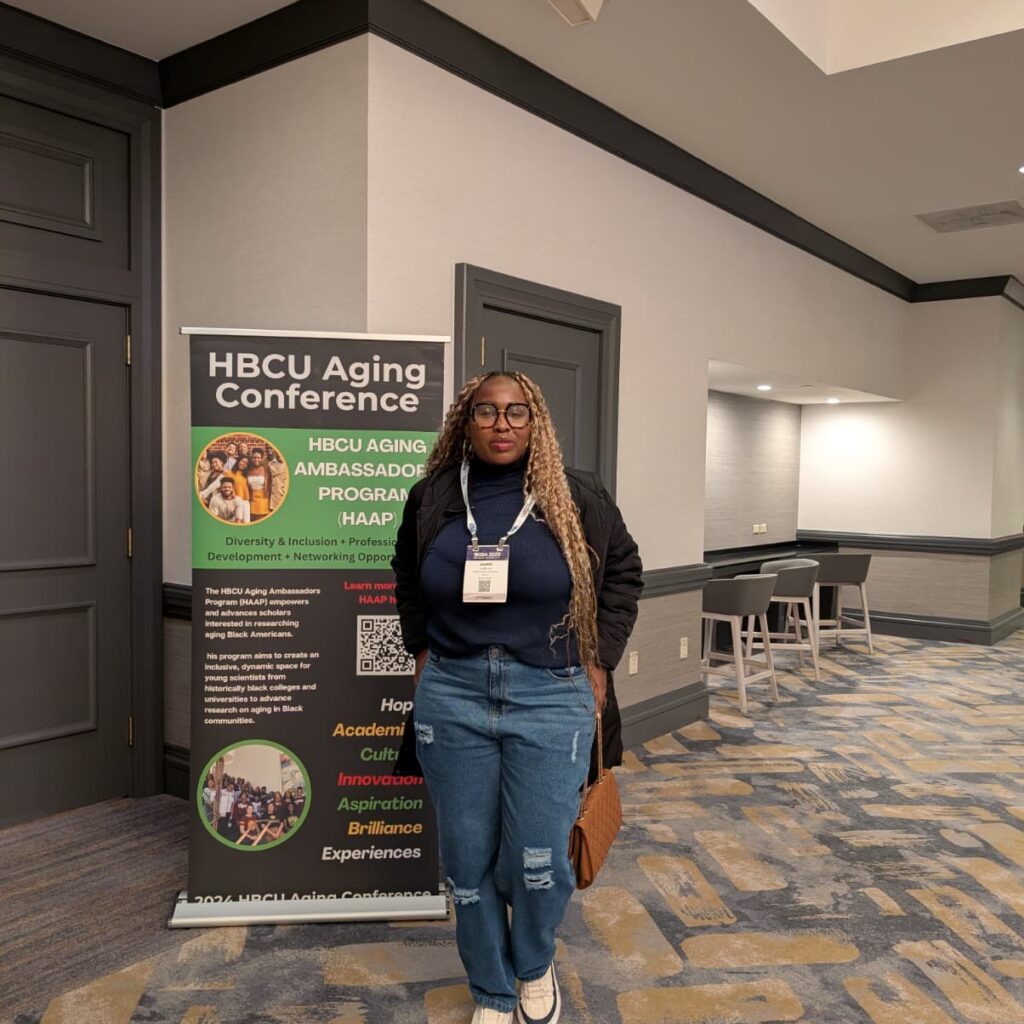
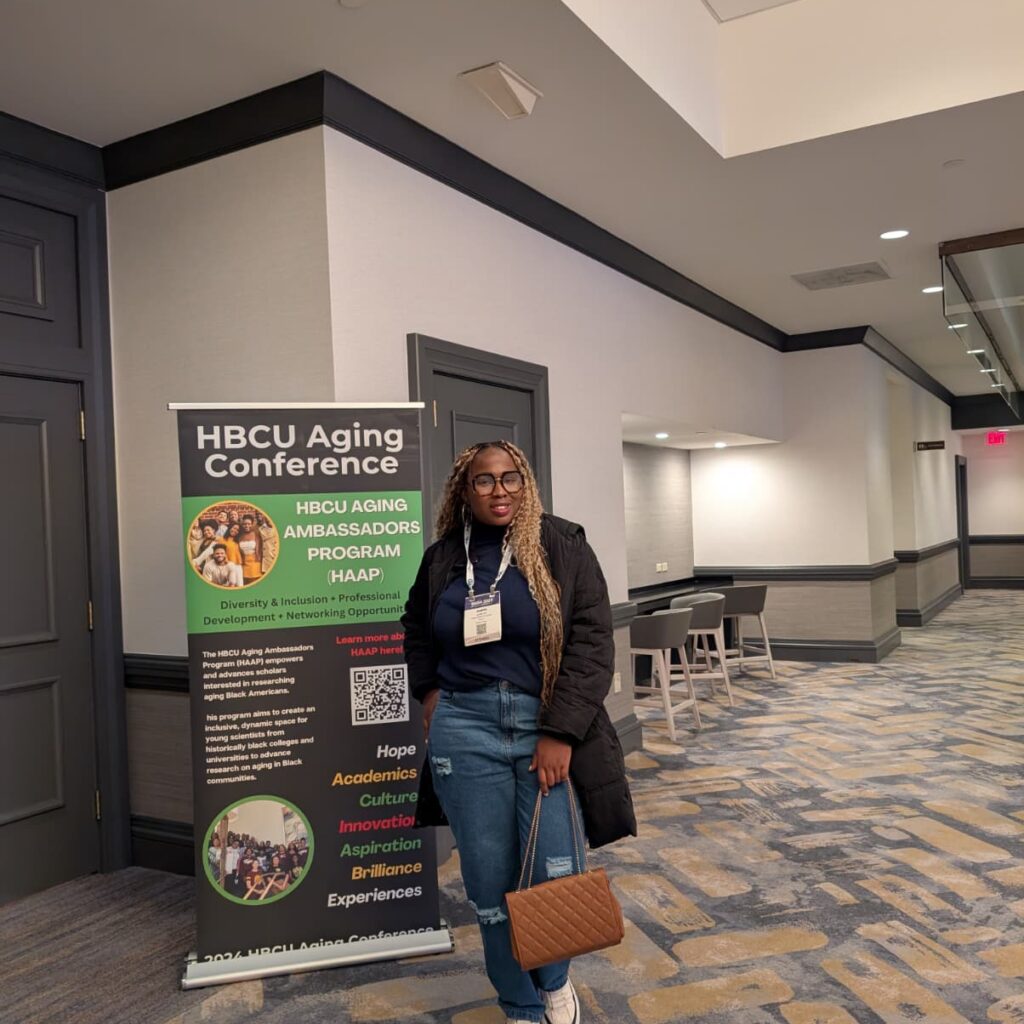
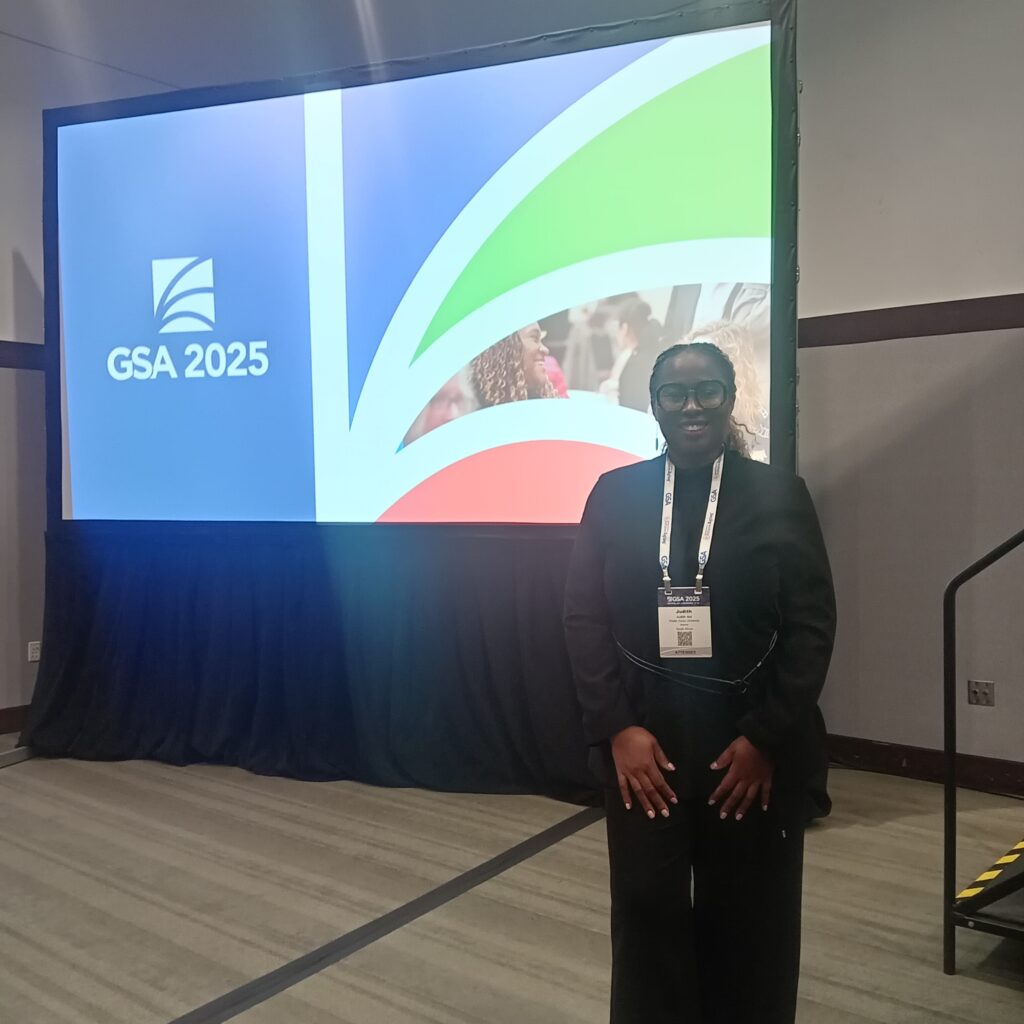
Attending and presenting at the Gerontological Society of America (GSA) Annual Scientific Meeting in Boston, Massachusetts, was a deeply enriching and transformative experience. The conference – one of the largest and most influential global gatherings on ageing – brought together more than 4500 attendees from over 40 countries, featuring an impressive 1300+ symposia, 600+ papers and 1900+ posters presentations across diverse formats. As a scholar committed to improving ageing and health outcomes, participating in this vibrant intellectual and professional environment was both inspiring and affirming.
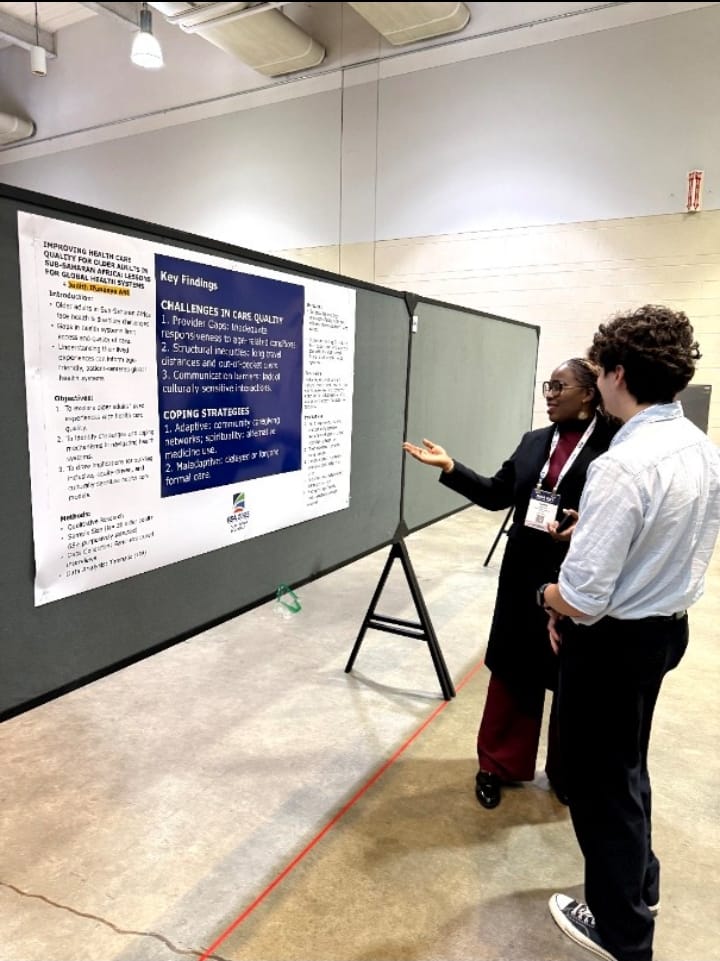
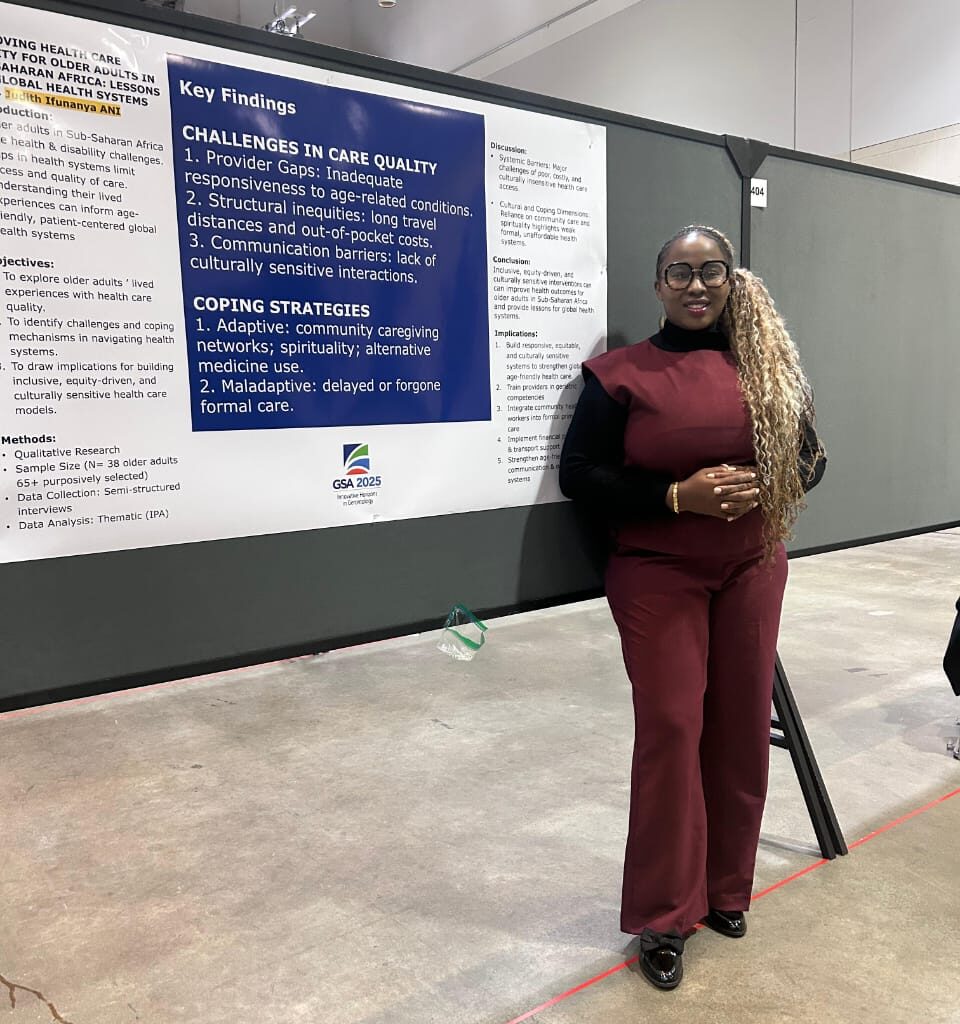
I had the privilege of making a presentation on improving health care quality for older adults in Sub-Saharan Africa while drawing lessons for global health systems.”
My work explored the unique challenges facing older adults in Sub-Saharan Africa – from fragmented health systems to limited geriatric training, etc.- and highlighted pathways for reform that are globally relevant. Key themes from my presentation included:
Strengthening primary health care to better serve ageing populations
Integrating geriatric competencies into medical and nursing education
Prioritizing equity in health system reforms
Drawing lessons from community-based models that promote continuity of care
The reception to my presentation was inspiring and positive. I engaged with researchers, co-presenters and other delegates, exchanging meaningful ideas and information geared towards a better and interdisciplinary understanding of the complexities of ageing in low- and middle-income contexts.
Beyond my own presentation, the conference offered an extraordinary range of activities and learning opportunities including:
Scientific Sessions and Symposiums: Leading experts shared cutting-edge research on ageing, covering different aspects of ageing from biology, artificial intelligence, sociology, economics, geography, psychology, transportation, climate change, minorities, long term care, health, women issues, disabilities, physical activities, policies, etc, with insights from across the globe.
Keynotes & Plenary Sessions: These sessions set the tone for important conversations about ageing, longevity, health equity, and the future of ageing research.
Networking & ESPO Activities: The Emerging Scholar and Professional Organization (ESPO) activities and other activities like momentum discussions, mentorship sessions, and workshops were particularly valuable for career growth.
Exercises and Interests Groups Meetings: Engaging interest group meetings allowed for deeper dives into specific areas in ageing research. The exercise sessions were also fun and refreshing.
Awards, Exhibitions & Mini-Mentorships: These highlighted the best of the field and provided platforms for new scholars like myself to connect with senior researchers.
What made the conference especially powerful was the global nature of the discussions. Although health system realities differ from country to country, the shared goal of improving the health and well-being of older adults created a sense of unity and purpose.
My conversations with colleagues from Asia, Europe, Latin America, North America and Africa reaffirmed that many of the challenges faced in Sub-Saharan Africa – workforce shortages, underfunding, inequities, etc. – are mirrored worldwide. Yet, Africa can also learn and as well offer innovative community-driven approaches that other regions can learn from.
Looking Ahead
Presenting at GSA strengthened my commitment to advancing research on ageing and contributing to global conversations on older adults’ health equity. I look forward to:
Publishing more on aging-related studies
Building international collaborations
Engaging in career opportunities
Translating evidence into policies that improve the lives of older adults
I am deeply grateful for the opportunity and excited about the work ahead.