ChatGPT Image Jun 2, 2026, 04_27_10 PM

Is Female Migration a Pathway out of Poverty in ECOWAS?

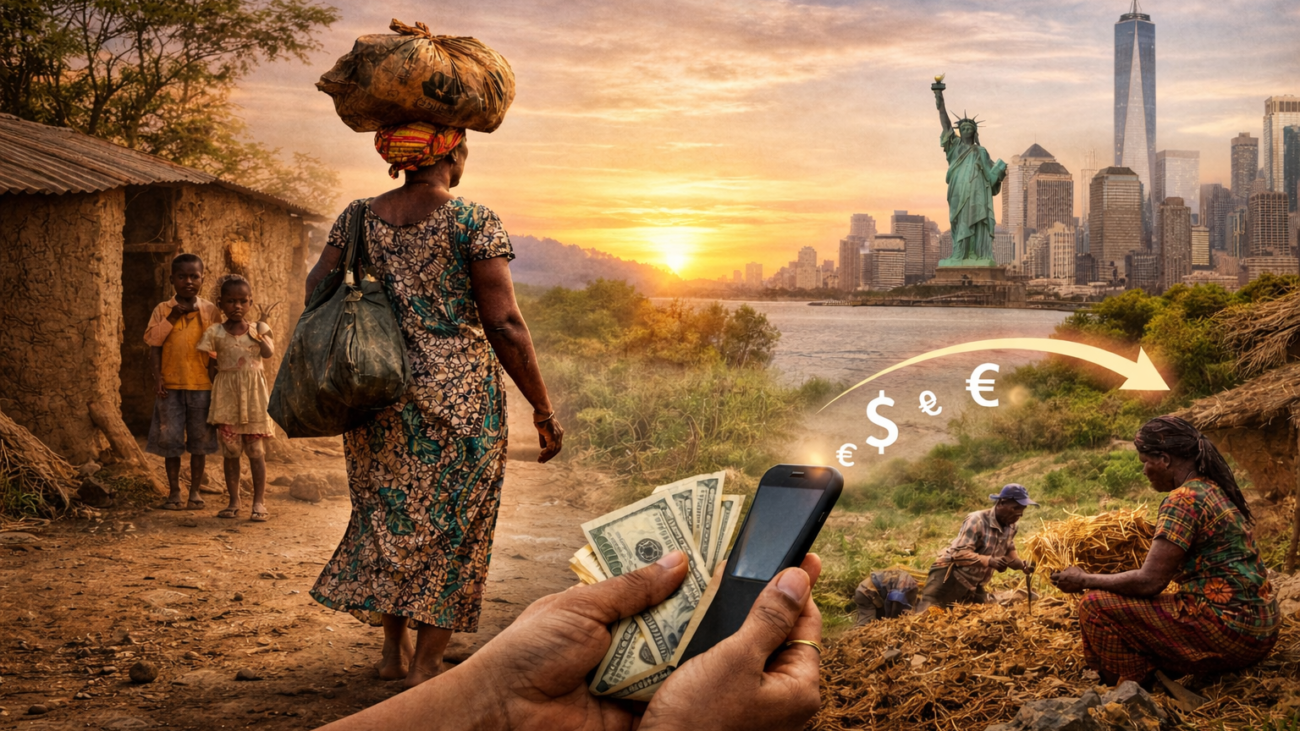
Migration has become one of the defining features of our global era. Across regions, people move in search of better livelihoods, safety, and opportunities for their families. In some cases, migration is a choice driven by aspiration; in others, it is a necessity shaped by conflict, climate shocks, and economic hardship. Nowhere are these dynamics more visible than in sub-Saharan Africa, where migration patterns are deeply intertwined with household survival strategies.

Within this broader movement, female migration has gained increasing attention – but remains underexplored in development research, particularly in relation to poverty outcomes. This study examines a critical question: What is the effect of female migration and remittances on poverty reduction in ECOWAS countries between 1990 and 2020?

In this paper, “Female Migration, Remittances and Poverty Reduction in ECOWAS,” published in Poverty & Public Policy (18: e70063. https://doi.org/10.1002/pop4.70063), we examined the relationship between female migration, remittances, and poverty reduction in ECOWAS countries from 1990 to 2020, using household per capita consumption expenditure as a proxy for poverty reduction.

Rethinking Migration Through a Gender Lens

Much of the existing literature on migration treats migrants as a homogenous group. Yet, gender matters. Women migrate under different social, economic, and structural conditions compared to men, and their migration outcomes also differ.

In the ECOWAS region, female migration is often shaped by:

  • Economic hardship and unemployment,
  • Care responsibilities and household survival strategies,
  • Informal and precarious labour opportunities abroad,
  • And in some cases, distress migration driven by poverty.

This study focused specifically on female migration, rather than total migration, to capture these gendered realities and their implications for household welfare.

Migration, Remittances, and Poverty: What the Data Shows

Using panel data from 1990 to 2020 across ECOWAS countries, the study employs a Prais-Winsten regression model with panel-corrected standard errors, alongside a Feasible Generalized Least Squares (FGLS) robustness check. Poverty is measured using household per capita consumption expenditure, a standard proxy for welfare outcomes.

The findings present a complex and somewhat paradoxical picture.

1. Female migration and poverty: an unexpected increase

The results show that a 1% increase in female migration is associated with a 0.476 increase in household poverty.

At first glance, this may appear counterintuitive. However, it suggests that female migration in ECOWAS may often reflect distress-driven mobility rather than opportunity-led migration. When women migrate under economic pressure, households may lose:

  • Essential income-generating labour,
  • Caregiving roles that sustain household productivity,
  • And social stability within the home.

Rather than immediately lifting households out of poverty, migration in this context may initially deepen economic vulnerability.

2. Remittances: a clear poverty-reducing force

In contrast, remittances show a strong mitigating effect. A 1% increase in remittances reduces household poverty by 0.414.

This reinforces the idea that remittances act as a household-level shock absorber, enabling families to:

  • Smooth consumption during economic hardship,
  • Pay for education and healthcare,
  • And invest in small-scale economic activities.

Remittances therefore function as a critical survival and welfare mechanism in ECOWAS economies.

3. The moderating role of remittances

Perhaps the most important insight from this study is the interaction between female migration and remittances. The results show that when both are considered together, a 1% increase in their joint effect reduces poverty by 0.009.

While modest in size, this finding is significant. It suggests that migration only becomes poverty-reducing when it successfully generates and transmits remittances back to the household. In other words, migration alone is not sufficient – its benefits depend on the strength and reliability of financial flows back home.

What These Findings Mean

Taken together, the results challenge the often simplistic assumption that migration automatically reduces poverty. Instead, they reveal a more nuanced reality:

  • Female migration in ECOWAS may initially reflect economic distress rather than upward mobility.
  • Remittances play a crucial compensatory role in stabilising household welfare.
  • The poverty-reducing effects of migration depend heavily on how effectively migrants can support their households financially.

Policy Implications: Beyond Migration Itself

These findings point to two key policy directions.

First, reducing distress-driven female migration requires addressing structural economic vulnerabilities. Governments in ECOWAS should prioritise:

  • Employment creation for women within local economies,
  • Skills development and vocational training,
  • And improved access to decent work opportunities.

Second, since remittances clearly reduce poverty, policies should focus on maximising their developmental impact, through:

  • Lowering remittance transfer costs,
  • Strengthening financial inclusion systems,
  • Encouraging savings and investment channels,
  • And promoting productive use of remittances in households.

Why This Study Matters

This research contributes to migration and development literature in three important ways:

  1. It shifts the focus from total migration to female-specific migration patterns, highlighting gendered dynamics often overlooked in policy discussions.
  2. It provides new evidence from ECOWAS, a region where migration is a central feature of household economies but still under-analysed in gendered terms.
  3. It introduces a novel perspective by examining the moderating role of remittances on female migration and poverty, rather than treating them as separate variables.

Final Reflection

Female migration in ECOWAS is not a simple story of empowerment or deprivation. It is a complex social and economic process shaped by inequality, survival strategies, and transnational family responsibilities. The real development question is not only whether women migrate – but under what conditions migration becomes a pathway out of poverty rather than a reflection of it.

9

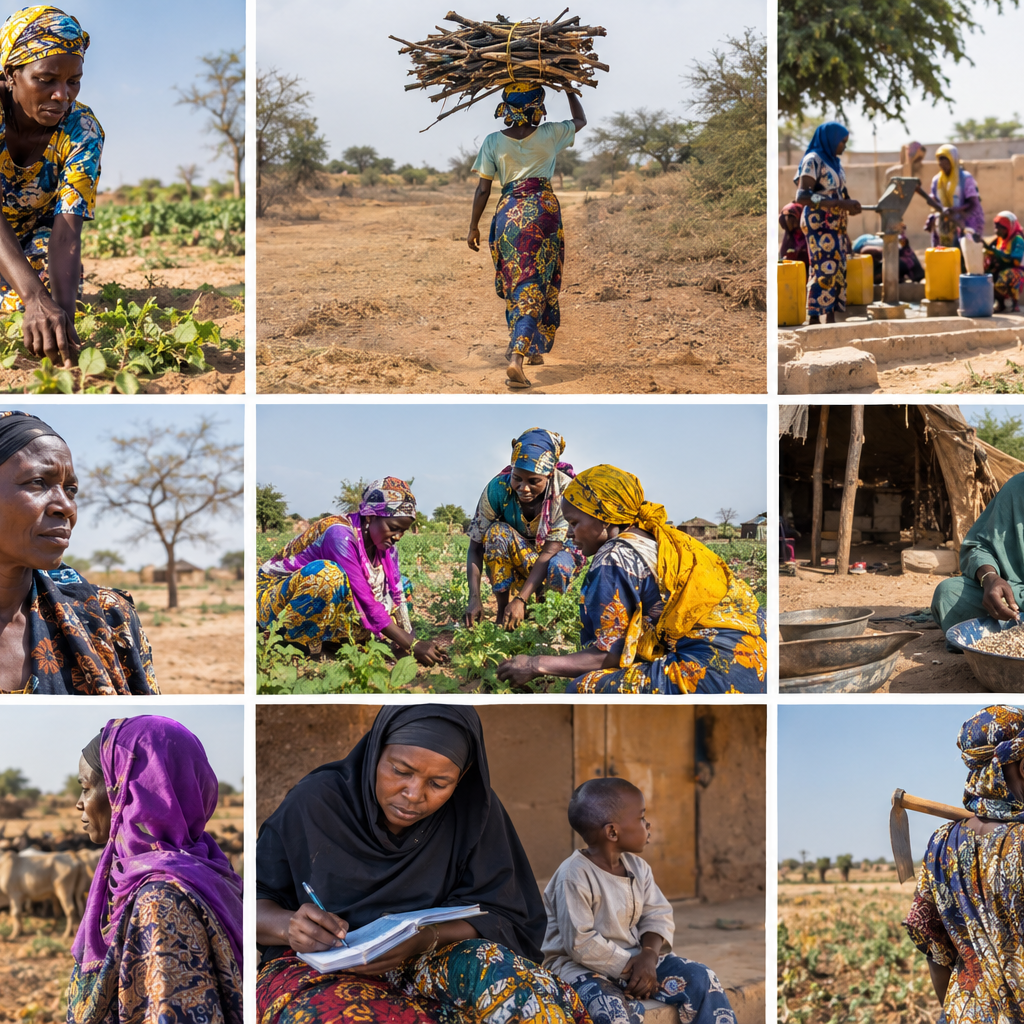
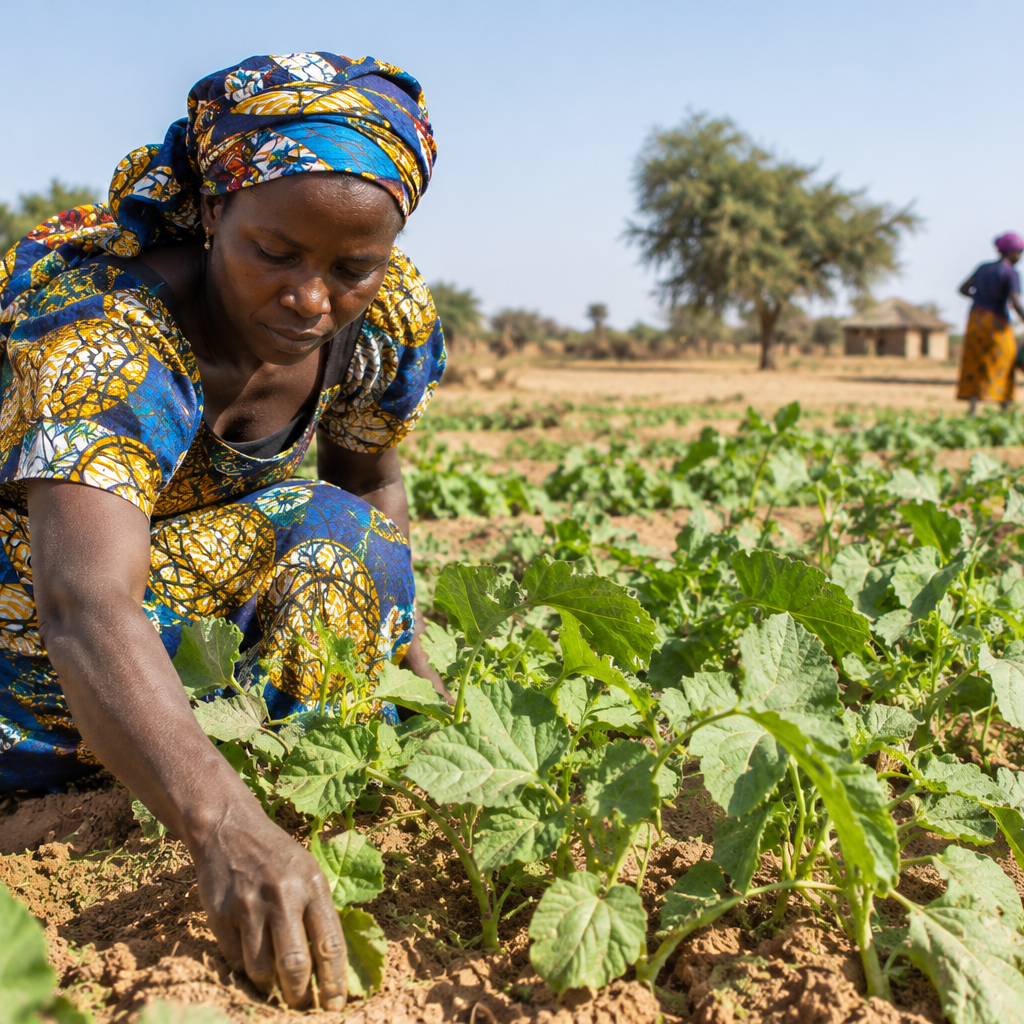
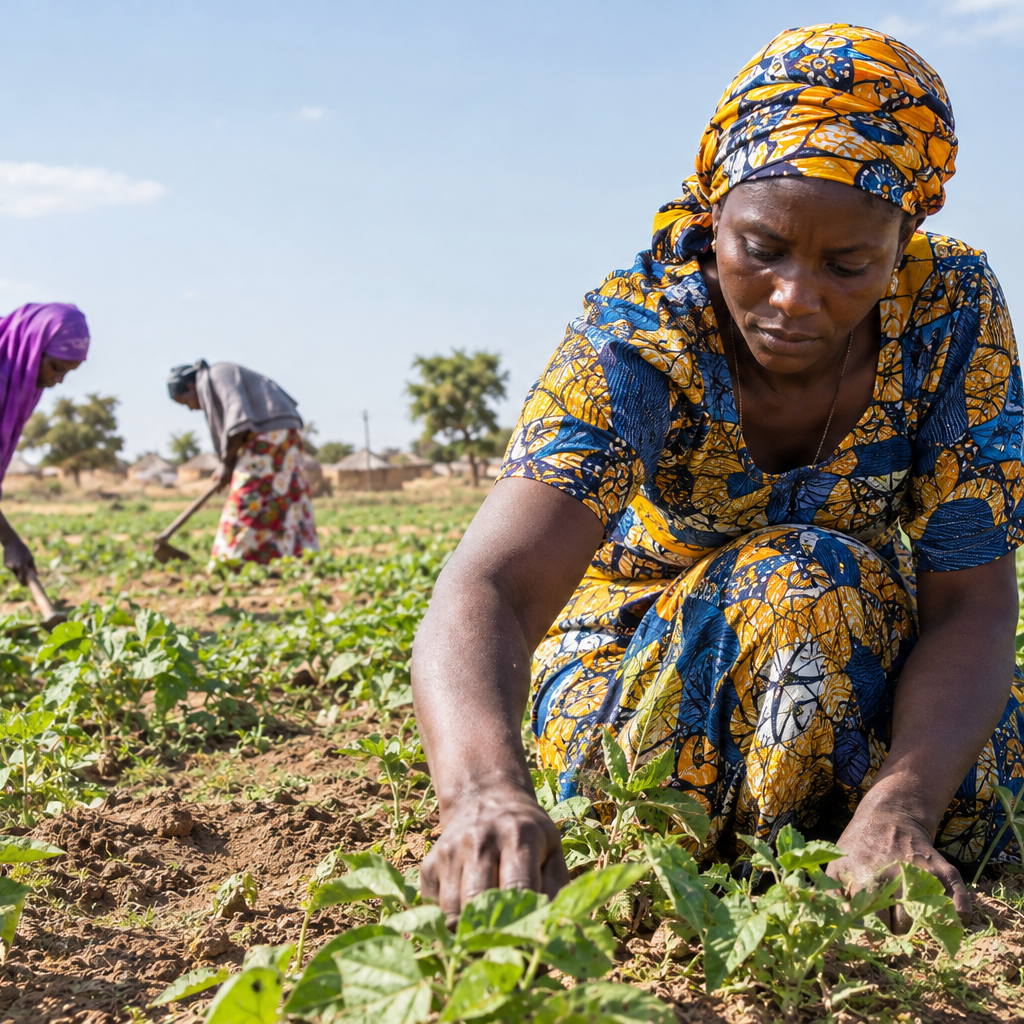
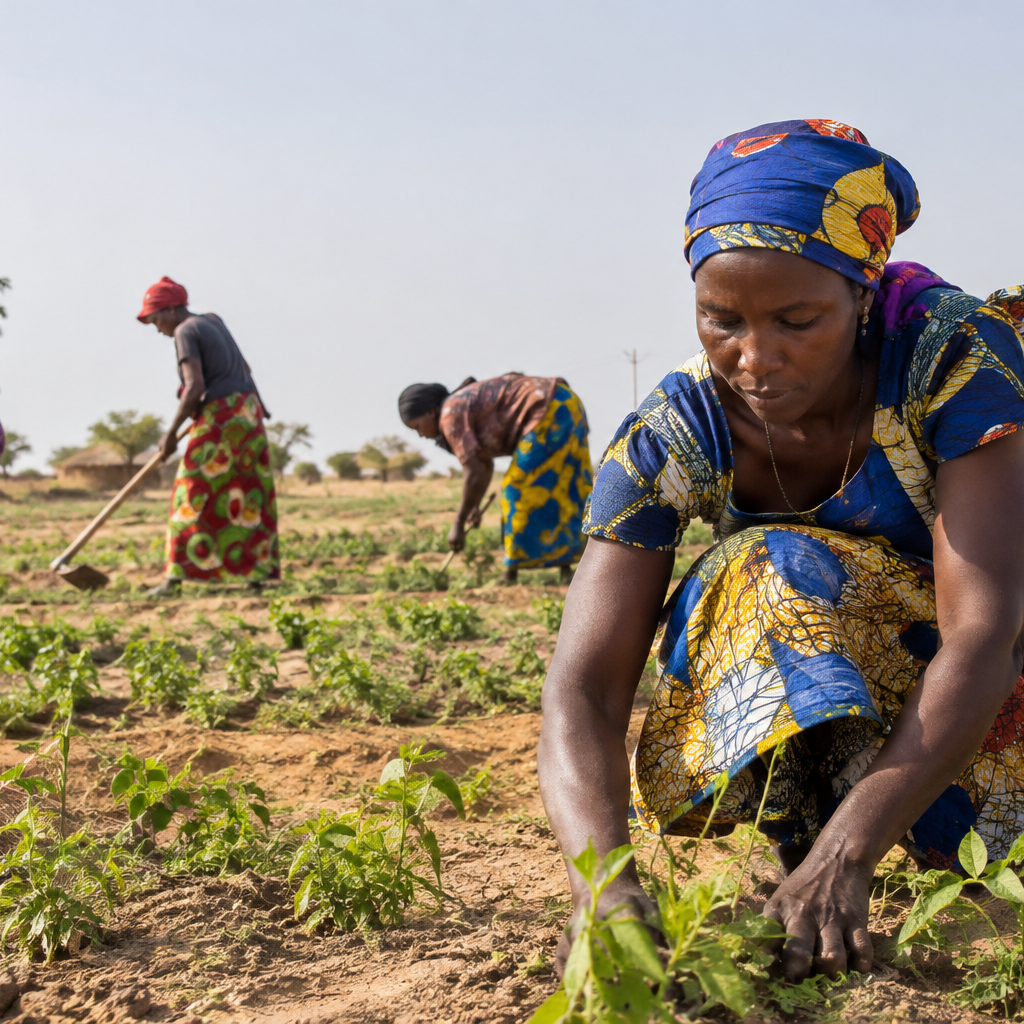
Climate Change Has a Gender Problem: What Our Research Across Six Nigerian States Reveals About Women, Food, and Flooding

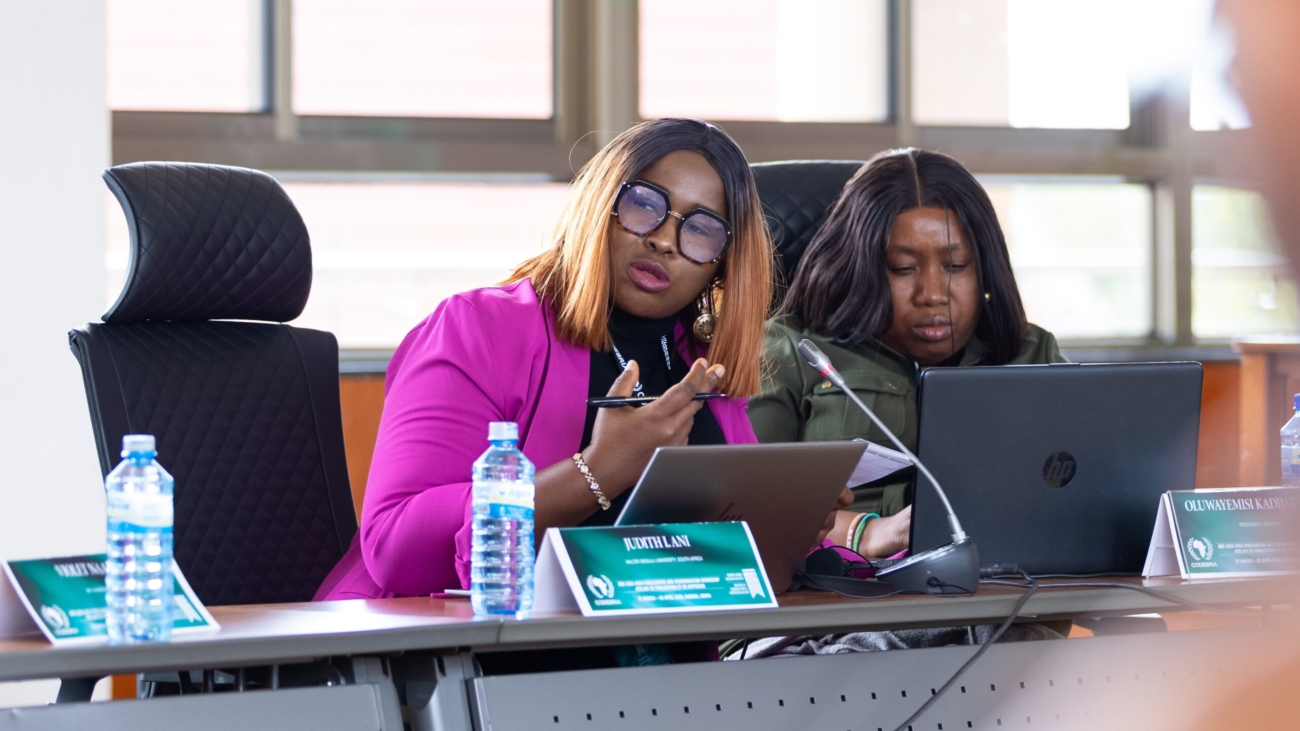
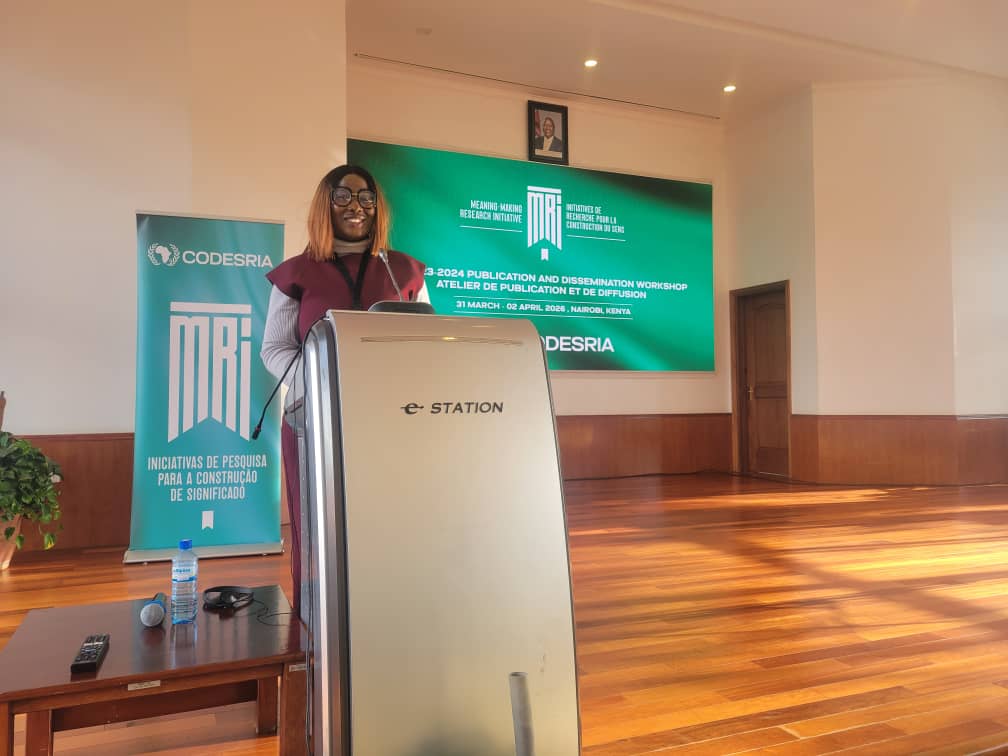
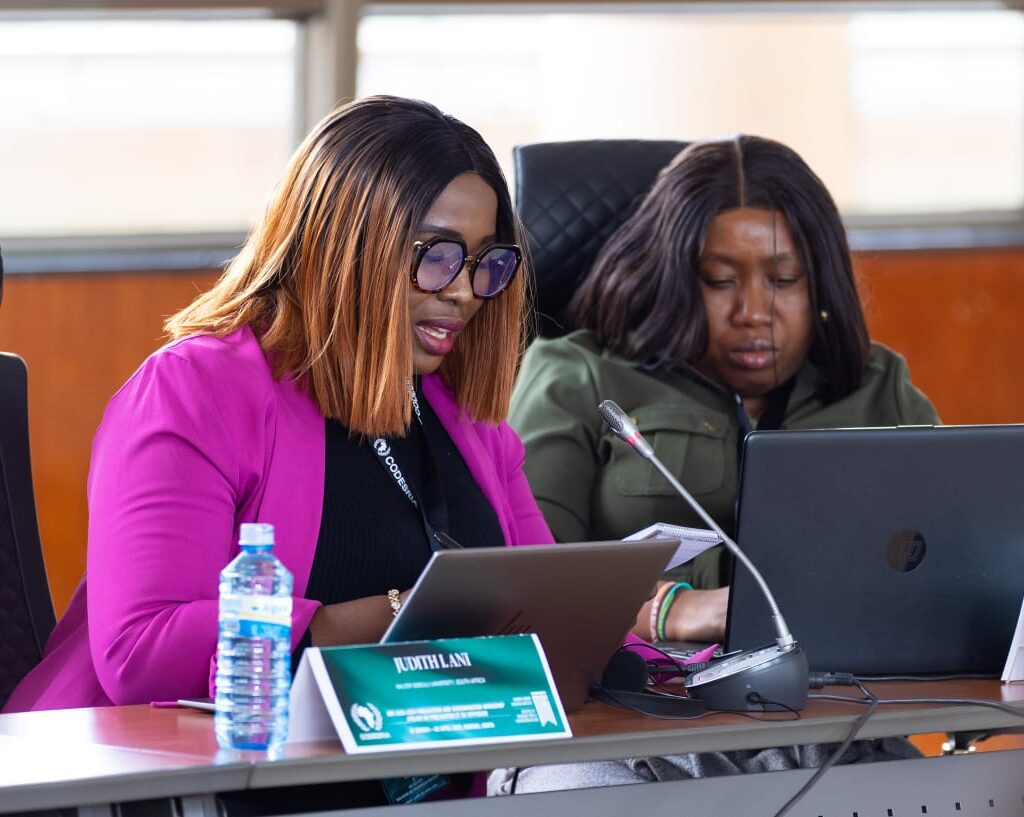
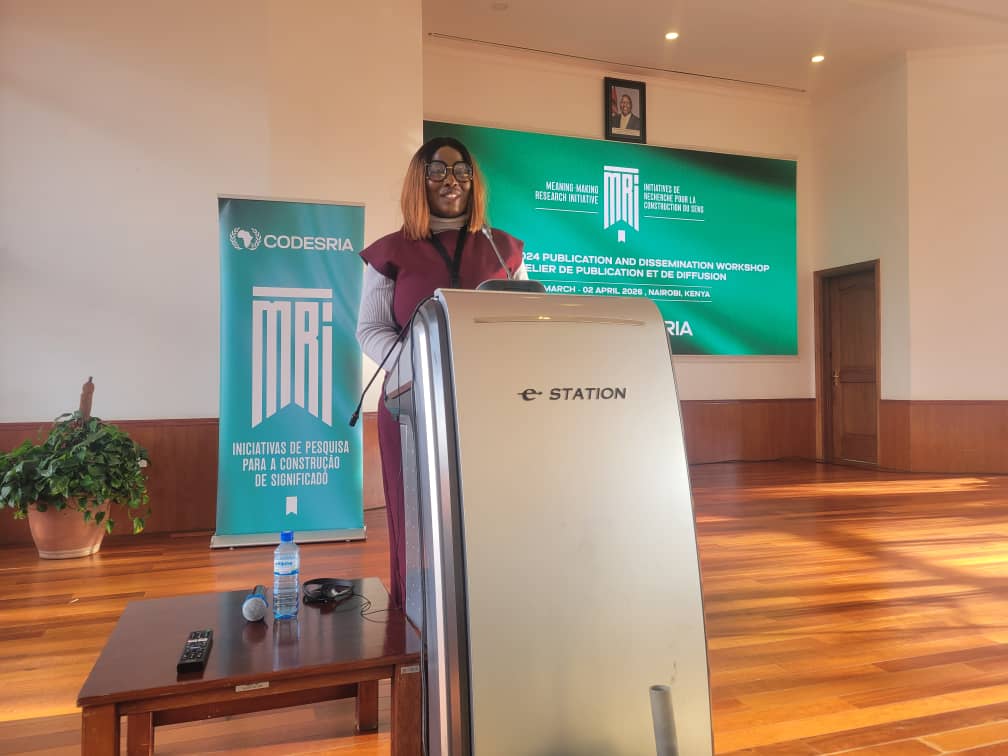
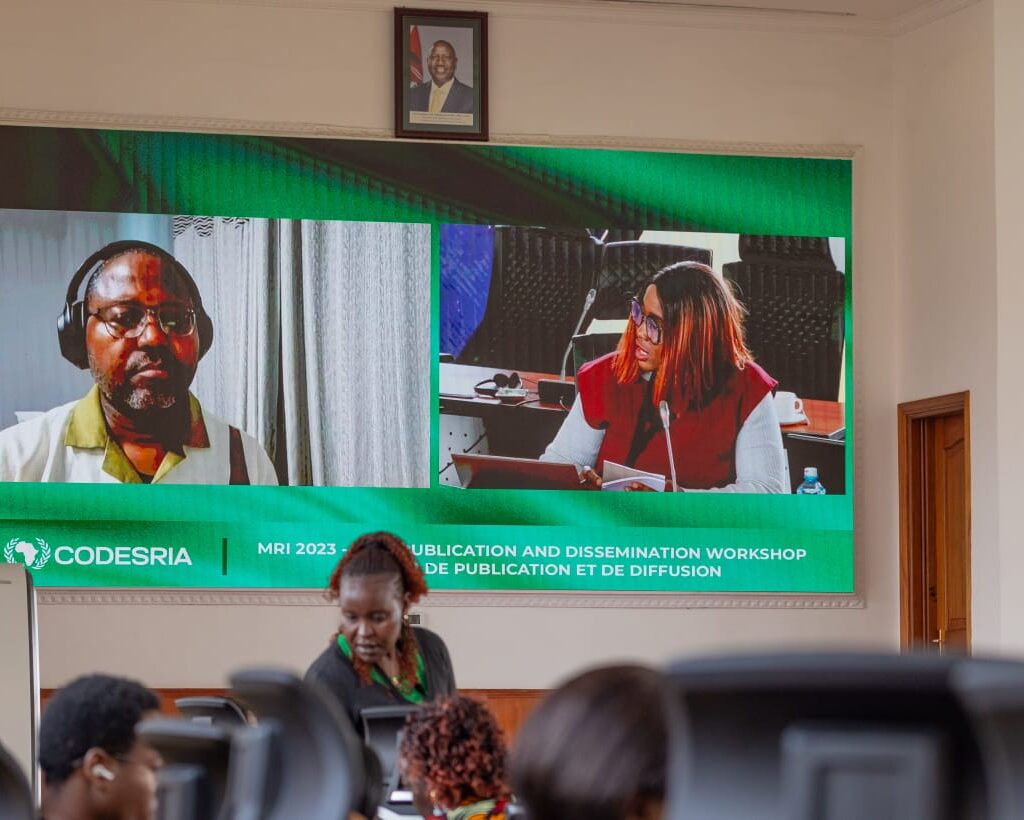
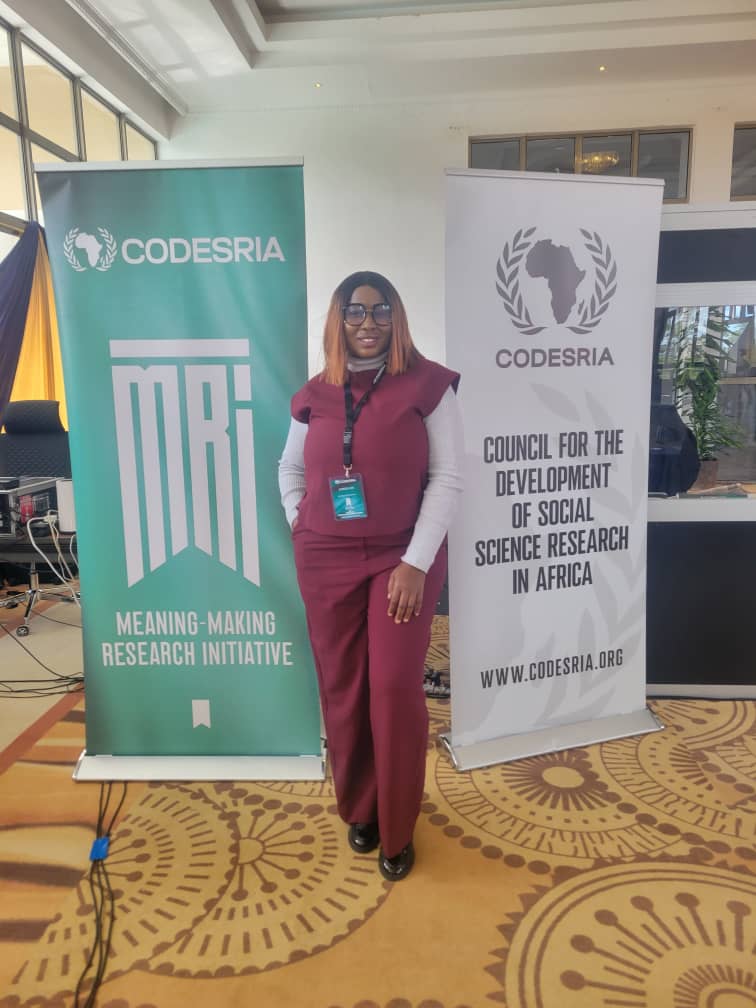
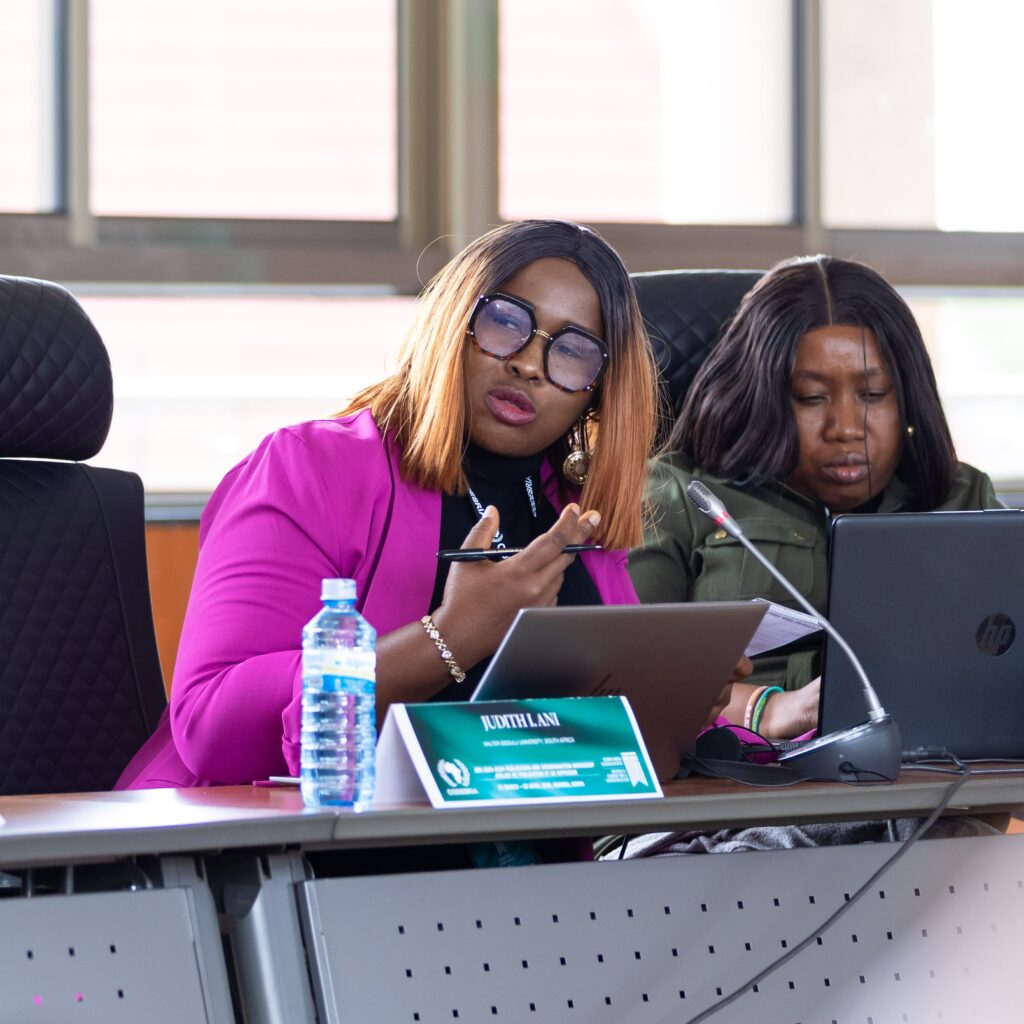
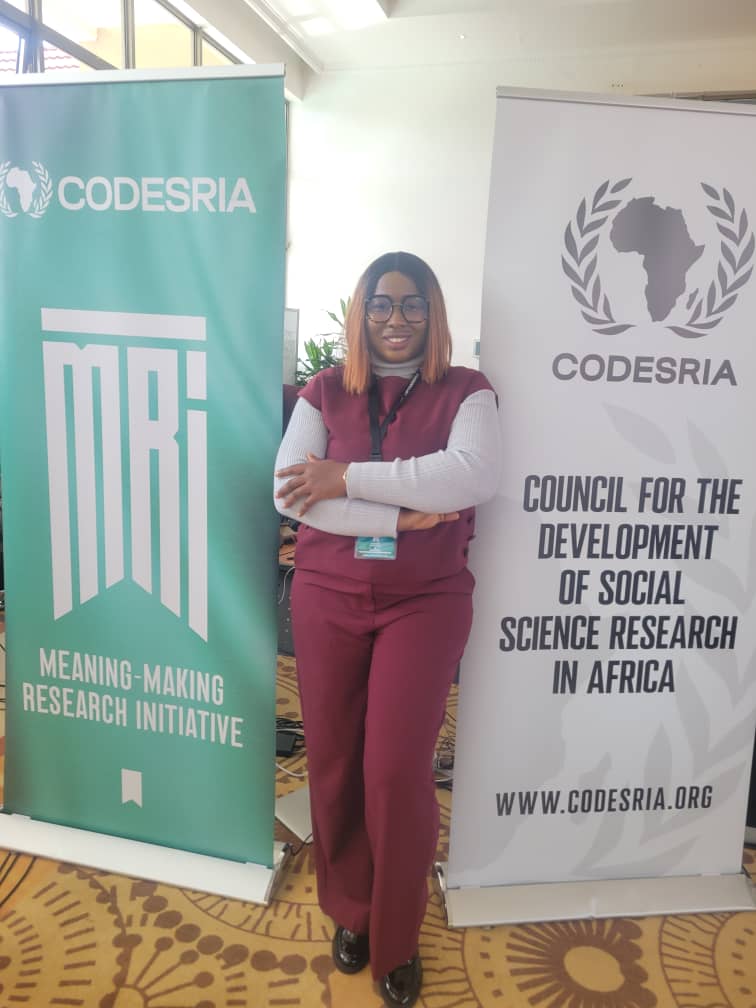
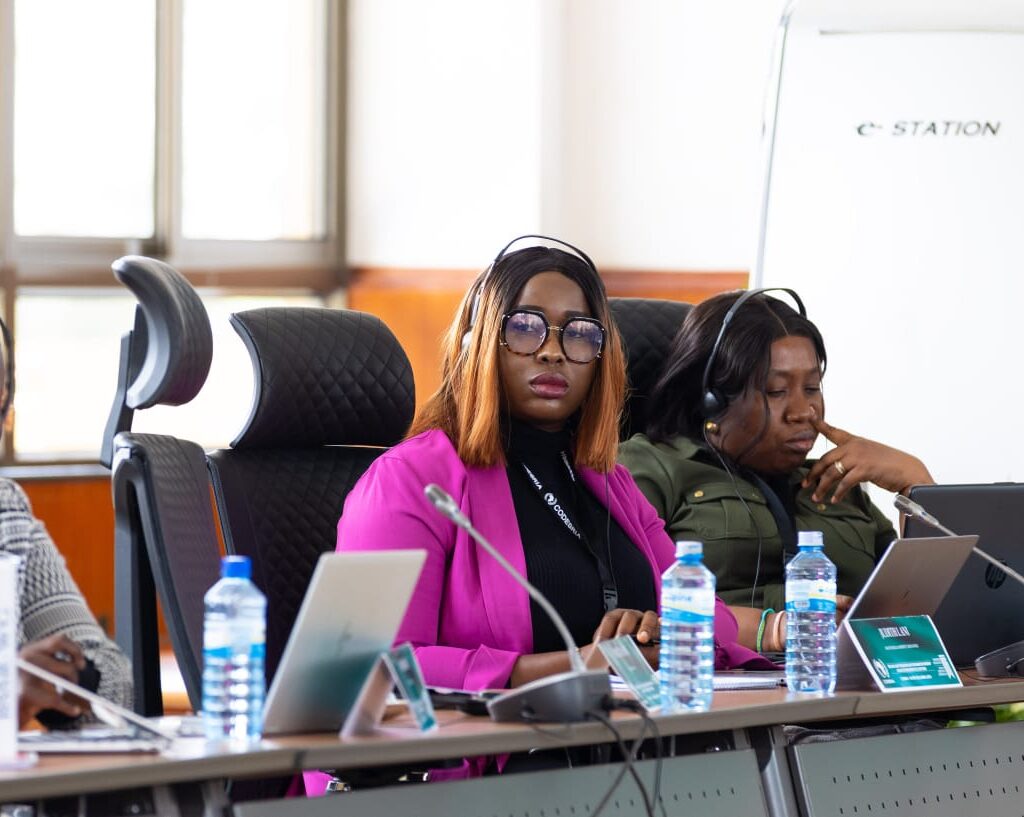
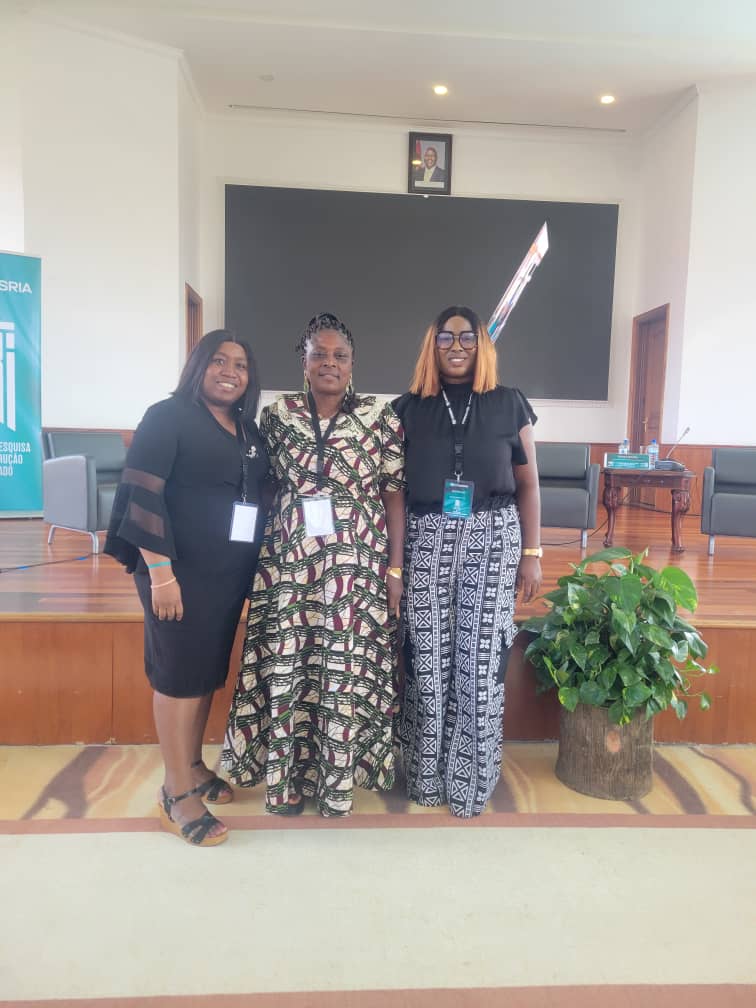
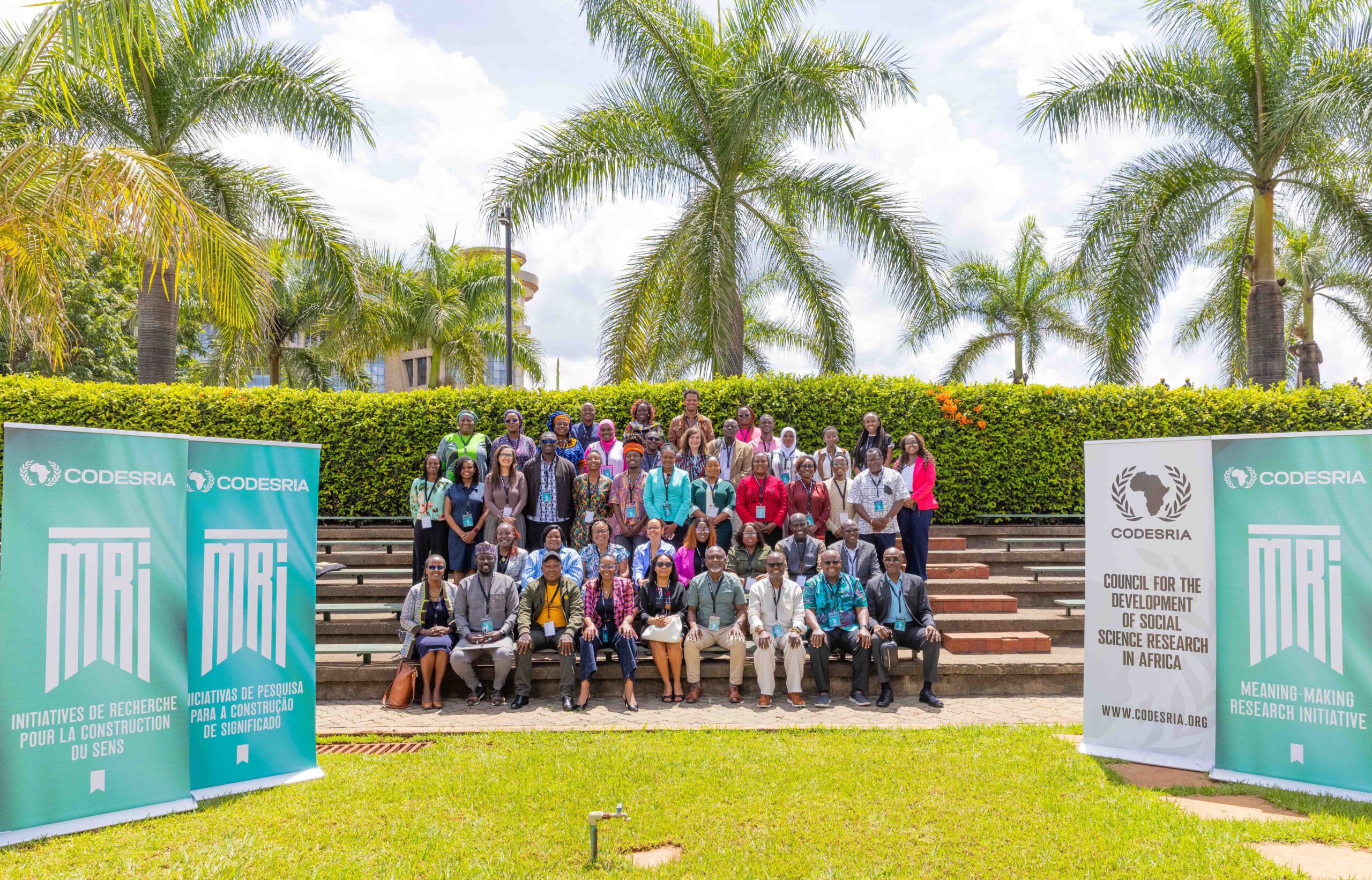
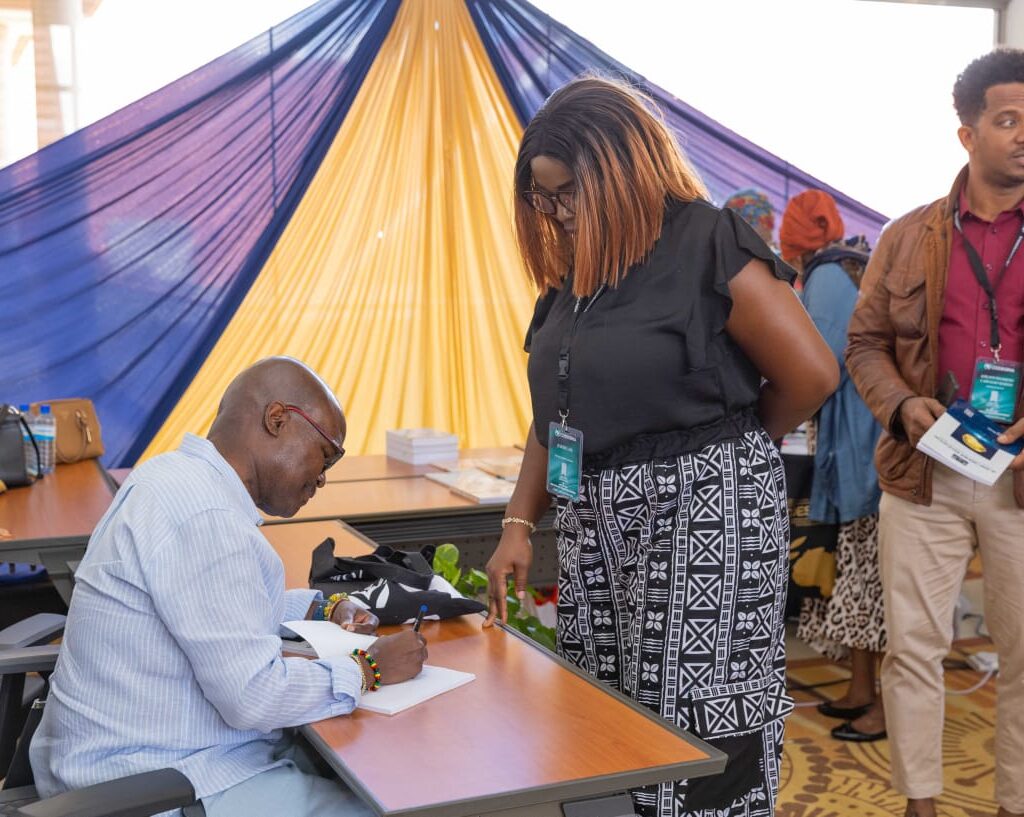
In April 2026, I had the privilege of representing my research team and presenting the key findings of our CODESRIA-funded study at the 2023/2024 MRI Publication and Dissemination Workshop in Nairobi, Kenya. The workshop brought together researchers from across Africa, united by a shared commitment to producing and communicating research that matters – research that can inform policy, shape practice, and ultimately improve lives.

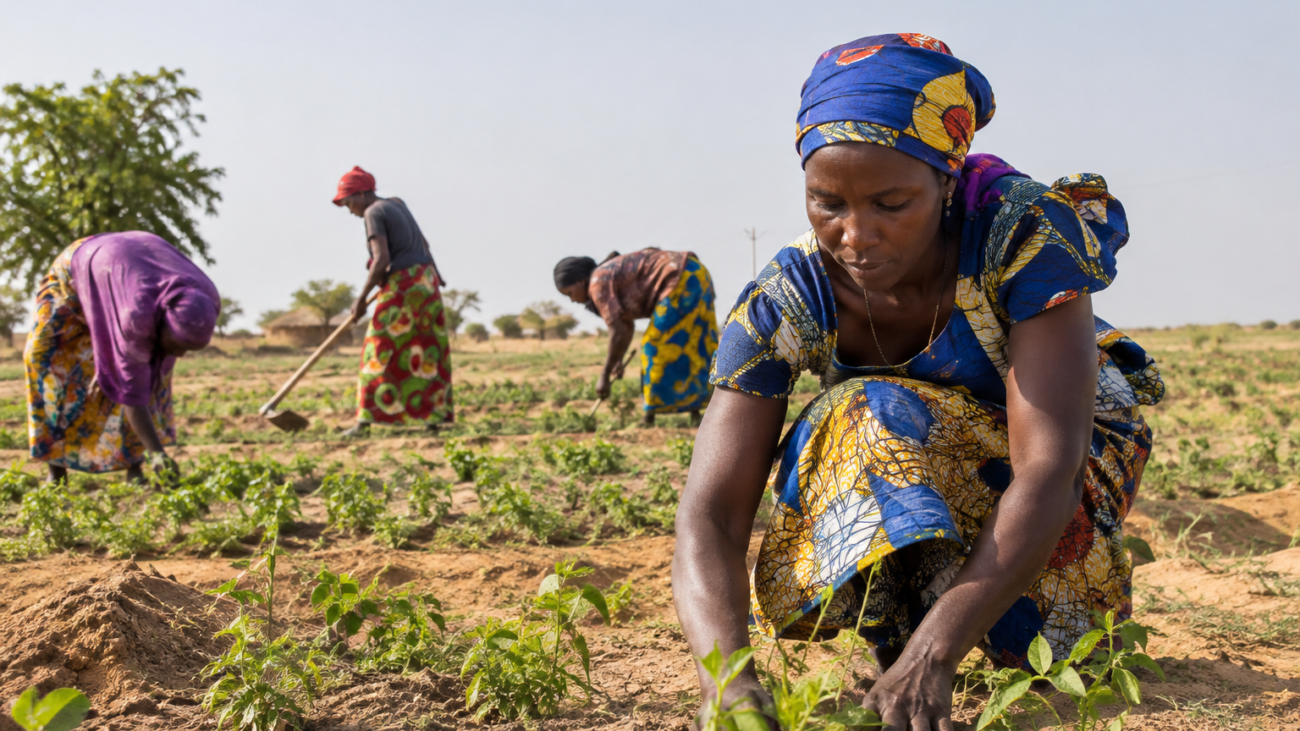
Our presentation, titled “Climate Change Induced Flooding: Implications for Food Security and Income Among Female Smallholder Farmers in Nigeria,” drew from several months, mixed-methods study conducted across all six geopolitical zones of Nigeria. What we shared in Nairobi was not just data – it was the lived experience of many women farmers whose worlds are being quietly dismantled by crisis.

Why This Study? The Problem We Could Not Ignore

Nigeria sits at a critical and deeply troubling intersection: it is one of Africa’s largest agricultural economies, and yet it is also one of the continent’s most vulnerable countries to the effects of climate change. The agricultural sector contributes significantly to the country’s GDP, and rural women – as primary food producers and household caregivers – sit at the very heart of this system.

Yet, as rainfall patterns become increasingly erratic, temperatures steadily rise, and flooding events grow more frequent and more severe, these women are being pushed to the margins of survival. The global literature has long established the nexus between climate change and food insecurity, but the specific, gendered dimensions of this relationship within Nigeria’s diverse ecological and sociocultural contexts remained underexplored.

Our study sought to close that gap. Specifically, we set out to:

– Understand historical climatic trends across Nigeria over time;

– Ascertain the impact of flooding on the food security of female smallholder farmers;

– Assess how flooding affects their income levels; and

– Determine the coping mechanisms these women employ to survive.

With funding from the Council for the Development of Social Science Research in Africa (CODESRIA) and guided by theoretical lenses – we designed a study that would not just measure suffering, but listen to the voices behind the numbers.

A Study Rooted in Rigor: Materials and Methods

One of the aspects of our research that generated considerable interest at the Nairobi workshop was the robustness of our methodology. We adopted a mixed-methods research design – combining the depth of qualitative inquiry with the breadth and statistical power of quantitative analysis. The research spanned Nigeria’s six geopolitical zones, with data collected in Bauchi (North East), Jigawa (North West), Kogi (North Central), Bayelsa (South-South), Ogun (South West), and Anambra (South East). This geographic breadth allowed us to capture the diversity of Nigeria’s ecological, cultural, and economic contexts. Our study engaged female smallholder farmers as primary respondents, alongside state and non-state actors as key informants.

Who Are These Women? A Profile of Our Respondents

Understanding our findings requires understanding who the women at the centre of our study are. The sociodemographic profile that emerged from our data paints a picture of structural disadvantage layered upon structural disadvantage.

The majority of respondents (54.2%) were between the ages of 30 and 49. Most lived in rural areas (87.1%), had low incomes  – with 87% earning less than ₦60,000 per month –  and had limited formal education, with 52.9% having less than secondary-level schooling. Access to financial services was almost entirely absent: 85.6% had no access to credit. Digital and energy poverty further compounded their vulnerability – 83% had no internet access, and 62.4% lacked reliable electricity.

These are women who are already operating at the margins. The arrival of floodwaters does not merely inconvenience them. It destroys them.

Key Findings: What the Data Told Us – and What the Women Said

   1. Nigeria’s Climate is Changing – and the Evidence is Unmistakable

Our analysis of historical climate data across Nigeria revealed a stark and alarming picture. In the North, rainfall has declined progressively, driving drought conditions, desertification, and crop failure. In the South and coastal regions, the picture is almost the opposite: increasing rainfall variability and heavier precipitation events have made flooding more frequent and more destructive.

Average temperatures increased from 27.0°C in 2001 to 27.8°C in 2022. Northern regions recorded persistently low humidity (41%–49%), while coastal and southern regions showed high but increasingly unstable humidity levels, often exceeding 80%.

Perhaps most significant historically is the transition our data revealed: from the 1960s through the 1980s, climate risks in Nigeria were predominantly drought-related. Today, the country has shifted decisively toward a flood-prone reality – a transition with profound implications for farming systems, food production, and rural livelihoods that have not yet adapted to this new normal.

   2. Flooding Is Recurrent, Unpredictable, and Deeply Feared

The voices we gathered across Nigeria’s six zones were consistent in their testimony: flooding is no longer a seasonal inconvenience. It is a recurring trauma.

“The floods keep coming almost every year.” – Case Study Participant, Female, Kogi

“Yes, the flooding is now more serious than before. Before, we used to expect floods around September, but now it can start as early as July, and we are not always ready.” – FGD Participant, Female, Bayelsa

“Floods affected me so much… I invested my money on the farm thinking I will make profits and then floods came [and] washed away everything… we are just managing life.” –  Case Study Participant, Female Flood Survivor, Jigawa

These accounts illustrate something that statistics alone cannot fully convey: the psychological weight of living under the perpetual threat of flooding. Women plan, invest, plant – and then watch the waters take everything.

   3. Knowledge of Climate Change Is Low, But Flood Experience Drives Awareness

Our Climate Knowledge Index (Cronbach Alpha: 0.788) revealed that formal knowledge of climate change among female smallholder farmers remains low. However, an important finding emerged: flood experience was the most significant predictor of climate change awareness. Women who had lived through flooding were markedly more aware of climatic changes – not through textbooks or extension services, but through the painful school of lived experience.

    4. Flooding Is Devastating Food Security Across Five Dimensions

We constructed a comprehensive Household Food Insecurity Index encompassing five dimensions and 53 indicators: food access, perceived food availability, food utilization barriers, food stability, and food agency. The findings were deeply concerning.

78% of households reported worrying that food would run out before they could afford to obtain more – a direct marker of food insecurity. Approximately three-quarters of respondents could only “sometimes” afford balanced meals. Many households reported regularly reducing meal quality or shifting to cheaper, nutritionally inferior food options.

Our State and Flood interaction analysis revealed something particularly important for policy: the impact of flooding on food security is “location-sensitive”. Two farmers with identical educational backgrounds and similar farm sizes may experience dramatically different food outcomes depending solely on where they farm. This underscores the importance of geographically disaggregated food security interventions.

   5. Flooding is Economically Devastating – The Numbers Are Stark

Using Structural Equation Modelling, we quantified what many policymakers have intuited but rarely measured with precision: flooding has a strong and statistically significant negative effect on income. Specifically, each one-unit increase in flooding severity reduces a female farmer’s monthly income by approximately ₦22,279.  This happens either directly or indirectly. The direct pathway shows that flooding suppresses income. The indirect pathway is mediated through food insecurity as follows: Flooding → Food Insecurity → Income reduction. Both are statistically significant.

In other words, flooding does not only destroy crops in the moment – it deepens food insecurity, which in turn further erodes household income in a compounding cycle of deprivation.

    6. Coping Strategies Are Largely Self-Driven – and Insufficient

Our analysis of preparedness and coping mechanisms revealed a troubling pattern: these women are largely “left to cope alone”.

Across six preparedness and response indices, the scores were uniformly low or average:

– Early Warning and Monitoring Index: Low (40.3%)

– Community and Institutional Response Index: Low (45.0%)

– Household and Individual Preparedness Index: Low (45.4%)

– Financial and Livelihood Adaptations Index: Average (42.5%)

– Social and Support Networks Index: Average (56.0%)

– Overall Preparedness: Poor (20.1%)

Coping strategies ranged from borrowing money and skipping meals to taking on additional jobs and drawing on indigenous adaptive knowledge. But these strategies are reactive, not preventive – and they are proving insufficient against the scale and frequency of contemporary flooding.

Beyond the Numbers: What Analysis Further Revealed

Some of the most profound – and perhaps most overlooked – dimensions of our findings emerged from our qualitative analysis. Climate change, our study reveals, is not merely an environmental or economic crisis. It is a gendered, socio-cultural, psychosocial, and even spiritual crisis for these communities.

Gendered: Flooding intersects with and exacerbates existing gender inequalities, touching on reproductive health, gender-based violence, and women’s reduced bargaining power within households and communities.

Psychosocial: Female farmers reported trauma, anxiety, and psychological distress linked to recurring flood events – dimensions that remain entirely absent from most climate adaptation frameworks.

Cultural: Indigenous knowledge and cultural practices – including beliefs about specific plants that can ward off floods – form an important part of how communities interpret and respond to climate events. These cannot be dismissed; they must be engaged.

Spiritual: In some communities, flooding has been “deified” – understood as a spiritual phenomenon as much as a physical one. This shapes how communities respond and what interventions they will accept.

Our findings also documented how flooding is “accelerating the feminisation of agrarian poverty” – deepening women’s economic vulnerability, displacing them from ancestral land, eroding cultural ties, and in some cases triggering “de-agrarianization”: women withdrawing from farming altogether, a development with dire implications for household food systems and rural community stability.

Some Recommendations from Our Study

Our research concludes with some clear and urgent set of recommendations:

  1. Women-centred climate adaptation policies – Policy must explicitly recognise and respond to the gendered dimensions of climate-induced flooding.
  2. Improved access to land, finance, and agricultural innovation – Structural barriers that limit women’s economic agency must be dismantled.
  3. Integration of indigenous knowledge systems – Adaptation frameworks must incorporate, not ignore, the knowledge that communities have developed over generations.
  4. Community-driven, Afrocentric approaches – Solutions imposed from outside will fail. Locally-rooted, culturally-resonant strategies are more likely to succeed.
  5. Expanded climate financing for vulnerable communities – The communities most affected by climate change are also those with the least access to adaptation funding.
  6. A shift from reactive to proactive resilience – The current reliance on experience-based coping must give way to proactive climate education and preparedness before disasters strike.

Our recommendations are directly relevant to the achievement of multiple Sustainable Development Goals:

  • SDG 1 (No Poverty)
  • SDG 2 (Zero Hunger)
  • SDG 3 (Good Health)
  • SDG 5 (Gender Equality)
  • SDG 8 (Decent Work)
  • SDG 11 (Sustainable Communities), and
  • SDG 13 (Climate Action).

Challenges

It is worth noting that fieldwork was not without its challenges. Several communities were only accessible by boat. We encountered call-back difficulties, requests for payment, security concerns, field accidents, and participant attrition – partly due to displacement from prior flood events, and partly due to communities’ negative experiences with previous researchers. These challenges only deepened our conviction that rigorous, ethical, community-centred research in these contexts demands patience, adaptability, and genuine respect for participants.

A Few Other Highlights Worth Mentioning

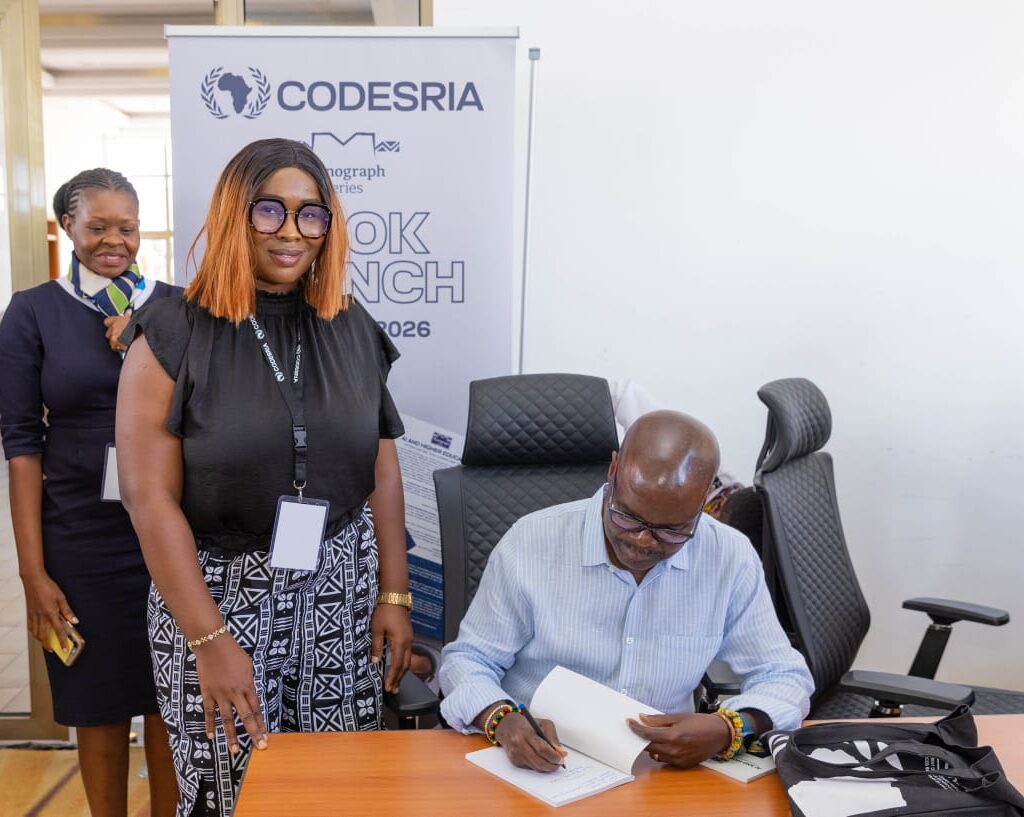
The workshop was far more than a platform for presenting research – it was a vibrant intellectual gathering that brought together scholars from across Africa to interrogate the state of knowledge production, publication, and dissemination on the continent. The workshop featured two landmark keynote addresses: Professor Paul Tiyambe Zeleza challenged participants to confront the transformative – and disruptive – implications of Artificial Intelligence for social science research and knowledge circulation in Africa, while renowned Kenyan author and media personality Barack Muluka delivered a compelling talk on intellectual freedom as an epistemic standpoint, urging African researchers to reclaim agency over how knowledge produced on the continent is processed, published, and shared with the world. A highlight of the workshop was the much-anticipated book launch of AI and Higher Education: Opportunities, Challenges and Trends, co-authored by Paul Tiyambe Zeleza and Ben Vinson III  – a timely and thought-provoking contribution that sparked rich debate among participants. Adding to the personal significance of the workshop, I had the honour of serving as rapporteur for Barack Muluka’s keynote session, a role I found both instructive and deeply rewarding.

Reflections on Nairobi

Presenting this work at the MRI Publication and Dissemination Workshop in Nairobi was both humbling and energising. The questions, observations, and contributions from fellow researchers deepened our understanding and reaffirmed the importance of this kind of research – research that centres African voices, African experiences, and African solutions.

We are grateful to CODESRIA for the funding that made this study possible, and to the many mentors and colleagues who shaped our thinking throughout the research process. Above all, we remain grateful to women farmers across Nigeria who trusted us with their stories, their pain, and their resilience.

As Ban Ki-Moon once observed: “Climate change is the single greatest threat to a sustainable future – but, at the same time, addressing the climate challenge presents a golden opportunity to promote prosperity, security, and a brighter future for all.”

For Nigeria’s female smallholder farmers, that future cannot wait.

The full study was supported by CODESRIA. For enquiries or collaborations, please contact the lead researcher: info@judithiani.com

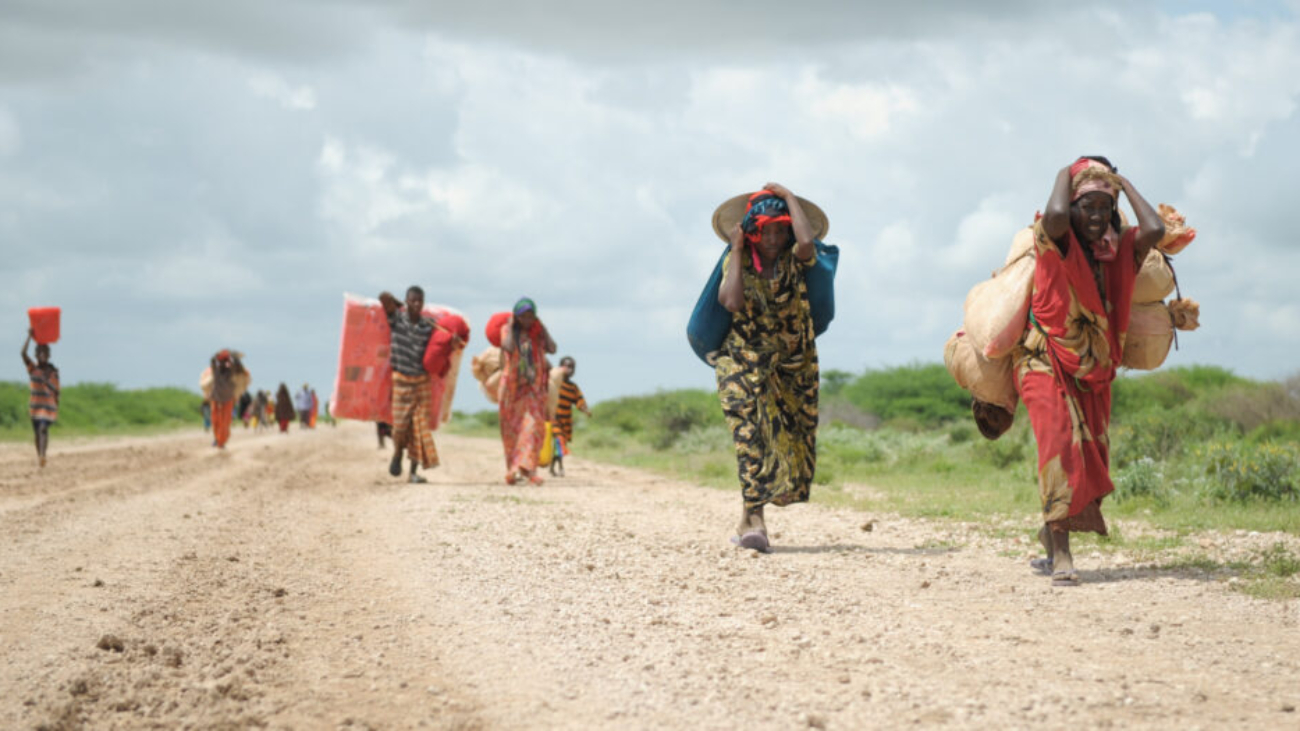
Women, walking with what possesions they can carry, arrive in a steady trickle at an IDP camp erected next to an AMISOM military base near the town of Jowhar, Somalia, on November 12. Heavy rains in Somalia, coupled with recent disputes between clans, has resulted in over four thousand IDPs seeking shelter at an AMISOM military base near the town of Jowhar, with more arriving daily. AU UN IST Photo / Tobin Jones. Original public domain image from Flickr

Experiences of gender-based violence among women in sub-Saharan Africa: identifying evidence for intervention and public health priorities

Background

Gender-based violence (GBV) poses a significant global threat to human rights, public health and attaining the Sustainable Development Goals. There is a growing emphasis on researching to identify issues and understand the experiences of women relative to GBV. The increasing demand for policymakers and public health practitioners to adopt evidence-based approaches in addressing GBV highlights the need for research prioritization on experiences of GBV among women in resource-limited settings such as sub-Saharan Africa. This paper explored GBV among women in 25 sub-Saharan African (SSA) countries to identify and present key intervention priority areas for addressing GBV in these settings.

Methods

The study involved a cross-sectional analysis of a nationally representative dataset from the Demographic and Health Survey of 25 SSA African countries. Data was analyzed descriptively and inferentially using the Pearson chi-square (X2) at a p < 0.05.

Results

Findings revealed that women aged 25–29, living in rural areas and with primary education were at a significant risk of experiencing GBV across 25 SSA countries. A notable 44.94% of women reported experiencing at least one form of GBV, with the prevalence varying by country. Women in Comoros had the lowest reported prevalence (10.76%), while Sierra Leone women had the highest (60.27%), followed by Uganda (56.92%). Emotional and physical violence were most prevalent in Sierra Leone, while sexual violence was most common in Burundi and the Democratic Republic of Congo.

Discussion

This study highlights the urgent need for targeted …

Scholar articles

Experiences of gender-based violence among women in sub-Saharan Africa: identifying evidence for intervention and public health priorities

LN Katende-Kyenda, JI Ani – Frontiers in Public Health, 2025

Covid-19-Vaccine-development-e1599531596297

Perception of COVID-19 Vaccination and Uptake Willingness in Northern Nigeria: Understanding Strategies to Optimize Coverage

Abstract: Background: Vaccination is a proven and safe method for combating COVID-19; however, coverage remains low in many low- and middle-income countries, including Nigeria. There is also a lack of contextual evidence regarding the public perception of and willingness to receive vaccines. This study aims to contribute to efforts to optimize the vaccination coverage and improve public health in northern Nigeria. Objective: This study investigated the perceptions of COVID-19 vaccination and willingness to uptake the vaccine in northern Nigeria, aiming to identify strategies for optimizing coverage and enhancing vaccination rates. Methods: A cross-sectional household survey was conducted across the Federal Capital Territory and five northern states in Nigeria. The survey assessed the respondents’ perceptions of COVID-19, their knowledge of the COVID-19 vaccine, and their willingness to be vaccinated. Descriptive and inferential (multivariate logistic regression) statistical analyses were employed to characterize the population and identify predictors of vaccine uptake. Results: The mean age of the respondents was 28.00 years. The majority reported at least one piece of misinformation regarding COVID-19. While awareness of the vaccine was high, its actual uptake was low, and future willingness to receive the vaccine was also limited. Employment status emerged as a significant predictor of vaccine uptake, as determined through the multivariate analysis. Furthermore, collaboration with NGOs and community-based organizations (CBOs) was identified as the most effective strategy for enhancing vaccine uptake. Conclusions: This study found a concerningly low willingness to receive the COVID-19 vaccine among participants in northern Nigeria. To address this issue, we recommend establishing partnerships with NGOs and CBOs, implementing extensive public awareness campaigns, and conducting community outreach programs. These efforts should focus on dispelling misinformation, building community trust, and promoting vaccine uptake through culturally appropriate communication materials.

Keywords: COVID-19; vaccine uptake; vaccine hesitancy; vaccination perception; northern Nigeria (search for similar items in EconPapers)
JEL-codes: I I1 I3 Q Q5 (search for similar items in EconPapers)
Date: 2025
References: View references in EconPapers View complete reference list from CitEc

Downloads: (external link)
https://www.mdpi.com/1660-4601/22/2/153/pdf (application/pdf)
https://www.mdpi.com/1660-4601/22/2/153/ (text/html)

batch_Screenshot 2025-05-25 at 19-41-04 ERSDI (@ersd.i) • Instagram photos and videos

Norms Of Masculinity And Gender Socialization Among Young Boys In South Africa: Implications For Gender-based Violence, Policies And Interventions

Masculinity norms and gender socialization play a critical role in shaping boys’ attitudes, behaviours, and interactions within society. In South Africa, historical legacies of colonialism and apartheid, coupled with deeply ingrained cultural and societal expectations, have contributed to rigid masculinity norms that emphasize dominance, emotional restraint, and aggression. These constructs not only influence boys’ development but also have significant implications for gender-based violence (GBV). This paper explores the ways in which masculinity norms are embedded within societal structures and reinforced through family upbringing, education, media representations, and cultural traditions. By encouraging dominance, emotional suppression, and aggression, these norms contribute to power imbalances and normalize violence as a means of asserting control. Drawing on theoretical frameworks such as hegemonic masculinity, intersectionality, and social learning theory, the study examined how historical, racial, and socio-economic factors shape gender socialization and influence boys’ developmental trajectories. Through an intersectional lens, this paper underscored the urgent need to challenge harmful masculinity norms and promote alternative models that encourage emotional expression, empathy, and equitable gender relations. Finally, it provided recommendations for educational reforms, community interventions, media engagement, and legal frameworks to foster healthier masculinity norms and reduce GBV.

Gender-based violence

Experiences of gender-based violence among women in sub-Saharan Africa: identifying evidence for Intervention and public health priorities

Background: Gender-based violence (GBV) poses a significant global threat to human rights, public health and attaining the Sustainable Development Goals. There is a growing emphasis on researching to identify issues and understand the experiences of women relative to GBV. The increasing demand for policymakers and public health practitioners to adopt evidence-based approaches in addressing GBV highlights the need for research prioritization on experiences of GBV among women in resource-limited settings such as sub-Saharan Africa. This paper explored GBV among women in 25 sub-Saharan African (SSA) countries to identify and present key intervention priority areas for addressing GBV in these settings.

Methods: The study involved a cross-sectional analysis of a nationally representative dataset from the Demographic and Health Survey of 25 SSA African countries. Data was analyzed descriptively and inferentially using the Pearson chi-square (X2) at a p< 0.05.

Results: Findings revealed that women aged 25–29, living in rural areas and with primary education were at a significant risk of experiencing GBV across 25 SSA countries. A notable 44.94% of women reported experiencing at least one form of GBV, with the prevalence varying by country. Women in Comoros had the lowest reported prevalence (10.76%), while Sierra Leone women had the highest (60.27%), followed by Uganda (56.92%). Emotional and physical violence were most prevalent in Sierra Leone, while sexual violence was most common in Burundi and the Democratic Republic of Congo.

Promoting digital inclusion through public-private partnerships for older adults in Nigeria

Promoting digital inclusion through public-private partnerships for older adults in Nigeria: A review

In the face of global demographic shifts and rapid digitalization, ensuring digital inclusion for the aging population is imperative. Projected to reach 1.5 billion by 2050, older adults stand at the intersection of societal challenges and digital opportunities. The review emphasizes the multifaceted role of digital inclusion, aligning with the World Health Organization’s Global Strategy on Ageing and Health and supporting Sustainable Development Goals 3, 4, and 10. Despite the potential benefits, the digital divide persists in developing countries like Nigeria, accentuated by limited technology access. Urgent research is needed to understand technology acceptance among older adults, highlighting the necessity for public-private partnerships to bridge these gaps. The comprehensive approach advocates for inclusive policies, technological advancements, and collaborative efforts, ensuring older adults are not left behind in …

https://www.sciencedirect.com/science/article/pii/S2667032124000325

Financial Digital Inclusion and Women’s Empowerment

Financial Digital Inclusion and Women’s Empowerment in the Fourth Industrial Revolution: Evidence from Nigeria

Authors: Akeju Kemi Funlayo, Oluwayemisi Kadijat Adeleke, Judith Ifunanya Ani, Chisaa Onyekachi Igbolekwu

The limited influence of African women on resources and decision-making has posed significant challenges to their capabilities and empowerment for decades. The purpose of this study is to investigate the role of financial inclusion in advancing women’s economic empowerment within the Nigerian context, drawing on data from the 2018 Nigerian Demographic and Health Survey (DHS). The analysis focuses on women’s empowerment in terms of their participation in decision-making related to their own earnings and healthcare. Key financial inclusion variables include the use of mobile money and account ownership. The findings reveal that the odds of women making decisions regarding their earnings and healthcare are approximately 36% and 25% higher, respectively, for those who use mobile phones for financial transactions compared to those who do not. Additionally, women without an account in a …

Injecting

Disease Conditions and Health Information Needs among Injecting Drug Users: Engendering Research to Policy and Interventions Initiatives

Authors: Chris Chukwunyere Njoku, Judith Ifunanya Ani, Norah Lucky Katende-Kyenda

Publication date: 2024

Background:

Injecting drug use is a global public health challenge with multifaceted consequences, not only for Injecting Drug Users (IDUs) but also for society at large. Their vulnerability necessitates a deeper exploration of their health information needs, aiming to leverage evidence-based research to shape effective interventions for their well-being. Method: This study employed a qualitative method to gain insights into disease conditions and health information needs of IDUs. Through purposive sampling, 71 in-depth interviews were conducted and thematically analyzed. Results: The study included 43 males and 28 females, predominantly aged 26-35 (59.2%) who had poor socioeconomic status. The most commonly reported disease conditions varied and included malaria, infections and diabetes. Findings revealed a complex understanding of their disease conditions and management practices. Participants emphasized a critical need for access to reliable and comprehensive health information, while also highlighting the significant barriers they face in obtaining this information. Additionally, their preference for receiving health information in video formats, written articles, and through outreach programs underscored their desire for knowledge to make informed decisions. As co-creators and stakeholders in their health, participants expressed a clear demand for sustainable and free healthcare, mosquito nets, and regular outreach programs. Conclusions: While drug use presents a significant public health issue, effective interventions for IDUs require a multifaceted approach that begins with understanding their perspectives and actively …

Unmet Needs for Support: A Study of Older Persons with Disability in Enugu State, Nigeria

Unmet needs for support relate to daily requirements for independent functioning among the elderly but which are unavailable, consequent upon declining informal support and challenges of accessing formal ones. This study explored unmet needs for support, including finance, assistive device, food and healthcare, among older persons with disability in Enugu State Nigeria. Using a multistage sampling and a triangulation of research methods, a total of 1030 older persons were selected for the study. Seven in every ten older persons in the sample (71.0%) had an unmet need. Of all the support received, financial support (79.8%) was the most inadequate. The predominant assistive device was the walking stick (84.9%). Only about four (38.0%) out of ten had three square meals with no recourse to a balanced diet. Of all the unmet felt needs, healthcare/medication (60.2%) was the most predominant followed by financial support. Their physical environment was neither disability-supportive nor ageing-friendly. We conclude that the high percentage of unmet needs among older persons in Enugu State Nigeria is consequent upon the absence of formal social welfare policies and programmes for the elderly. Unfortunately, the elderly would continue to have unmet needs given the declining safety nets traditionally provided by family members vis-à-vis the increasing economic hardship in the society. It is therefore recommended that governments at all levels should formulate and implement social welfare programmes to bridge the needs gap among senior citizens who had spent their vibrant years serving the government and society.