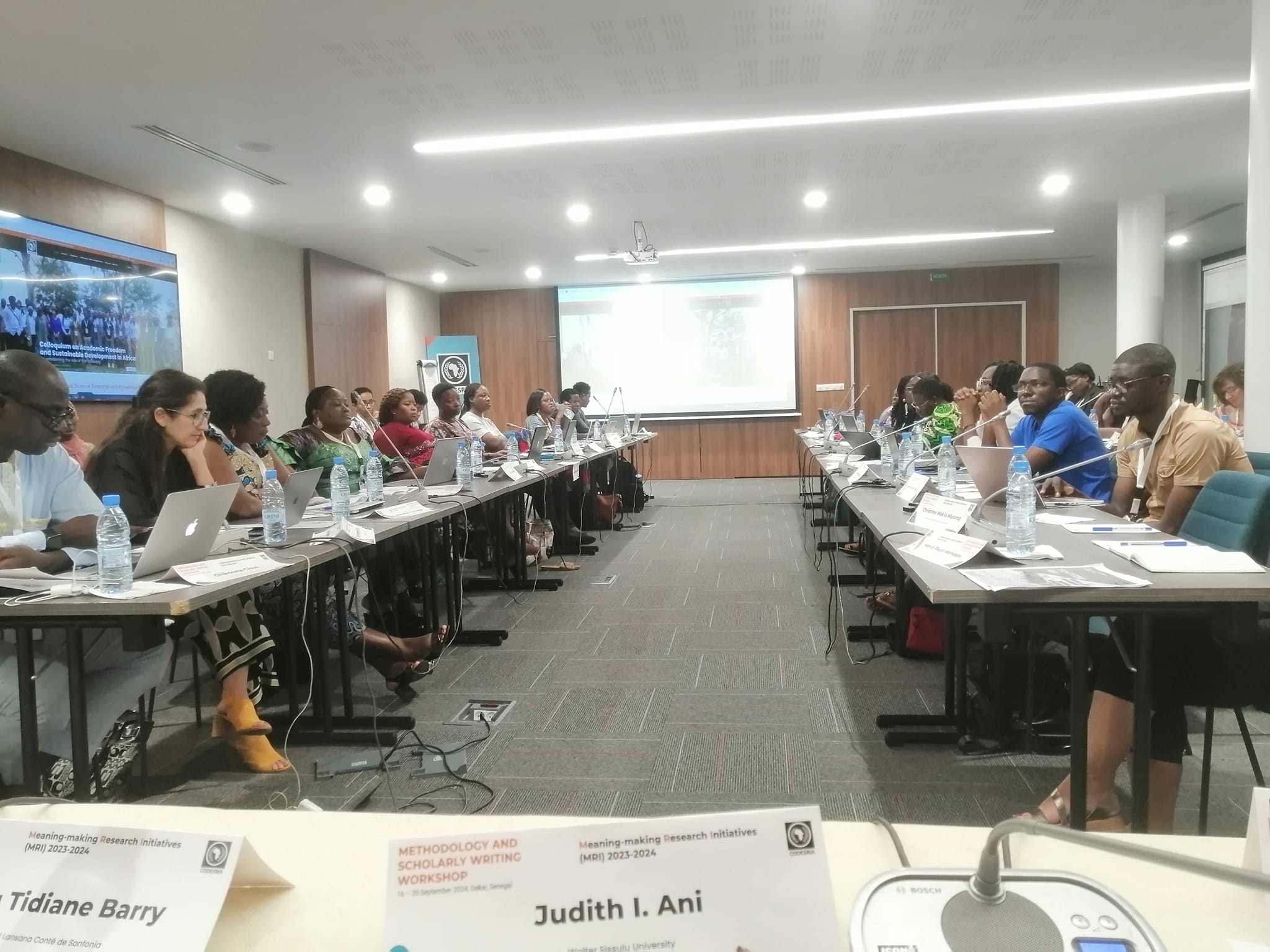
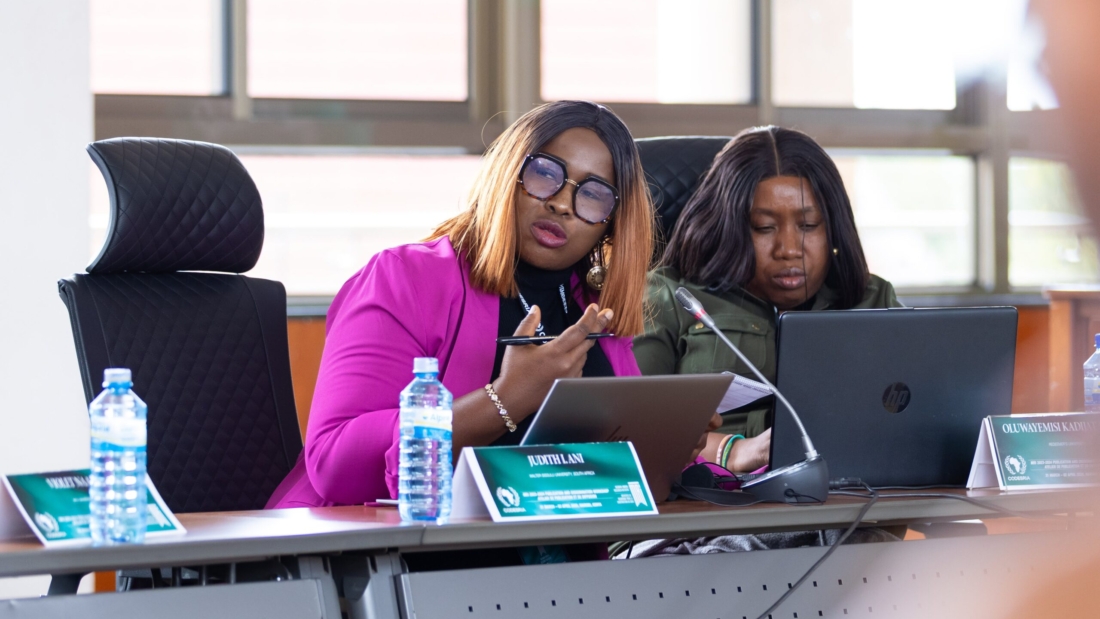
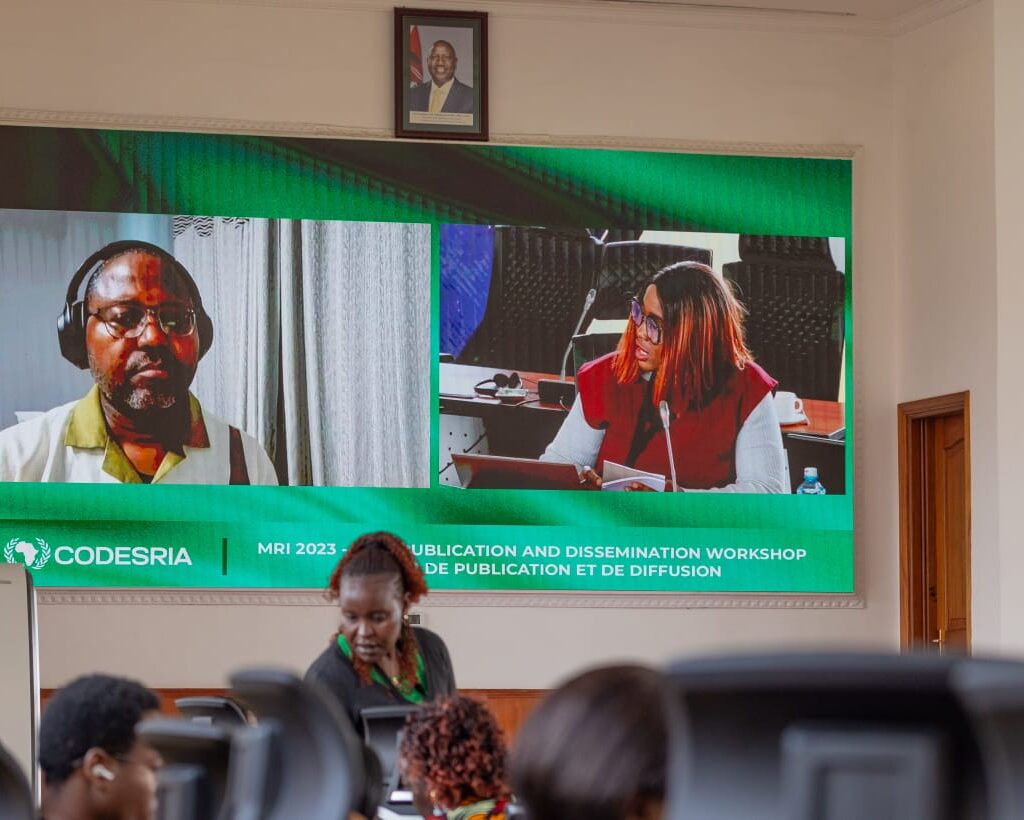
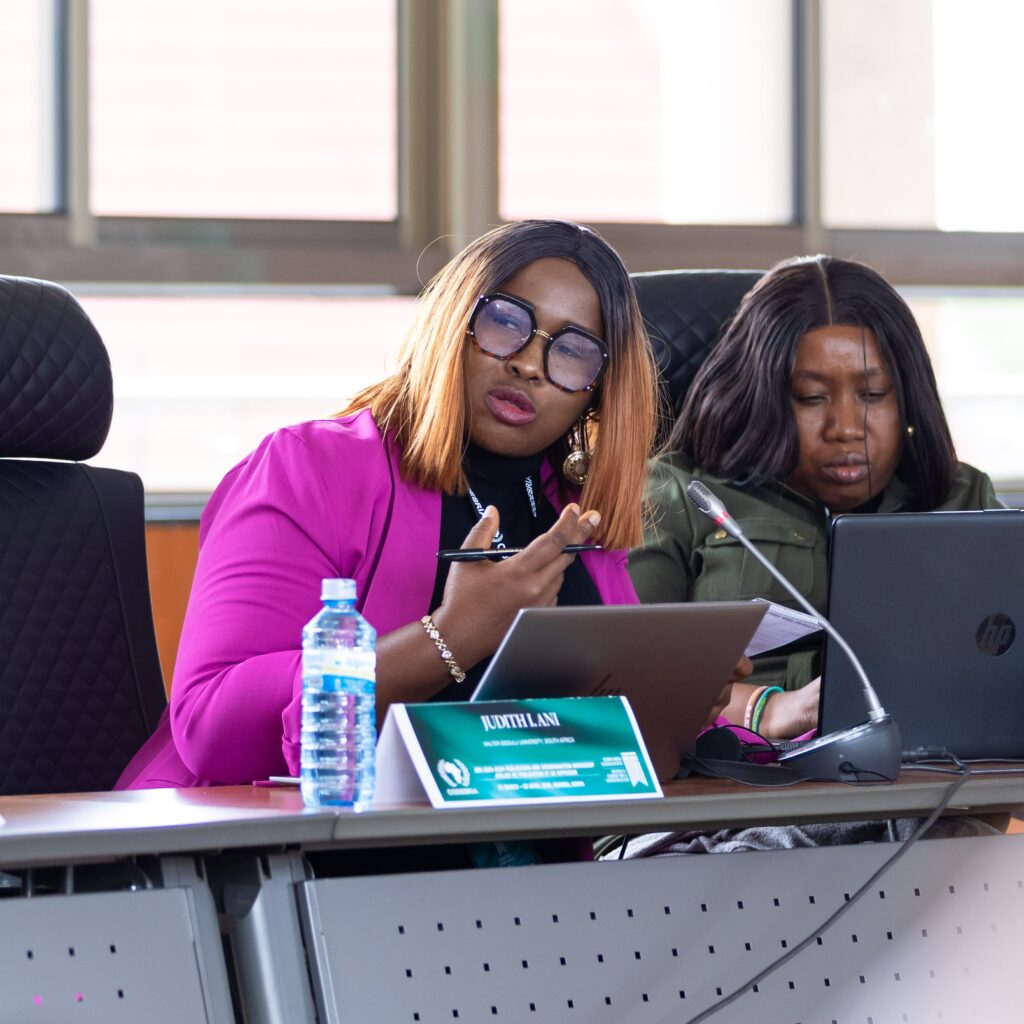
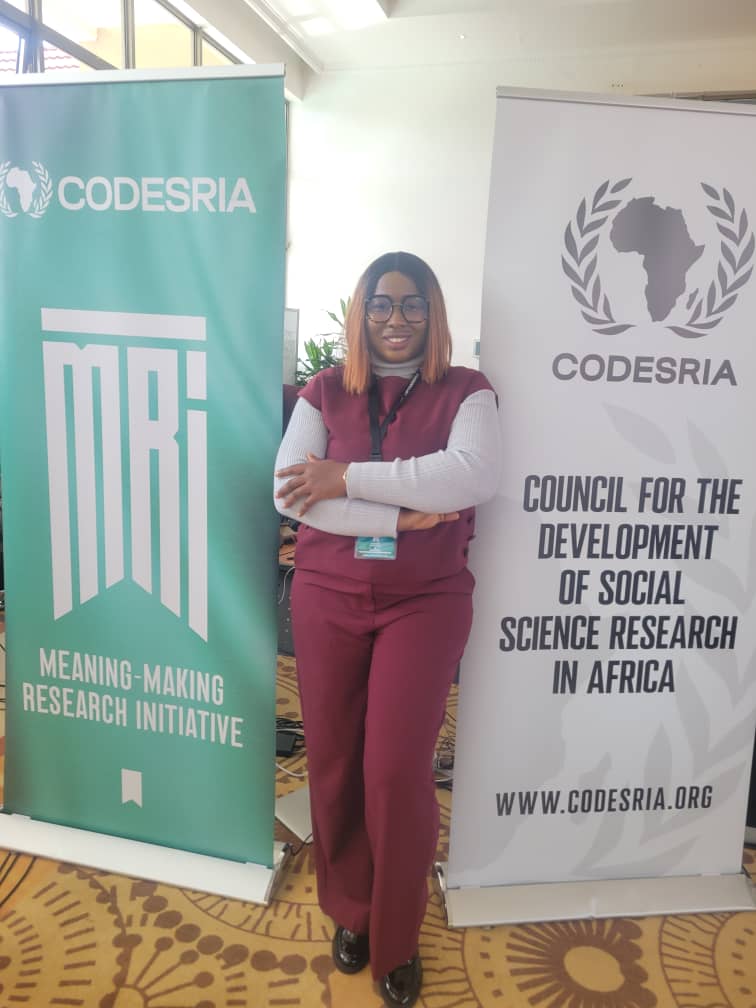
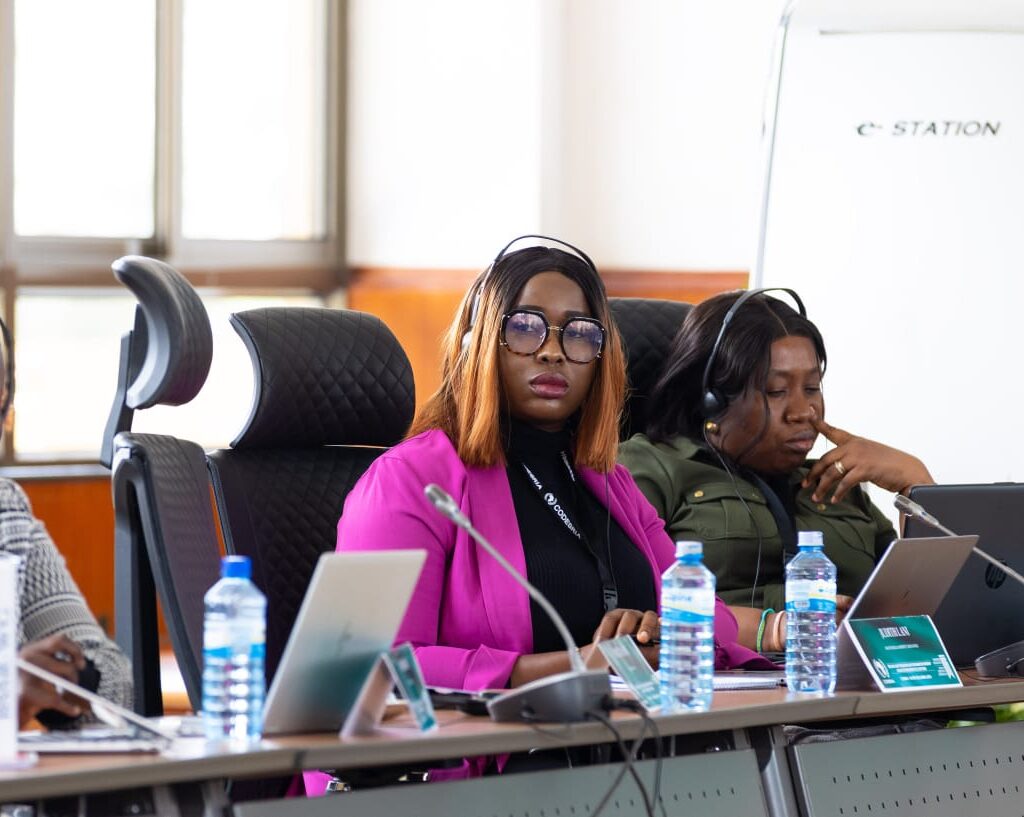
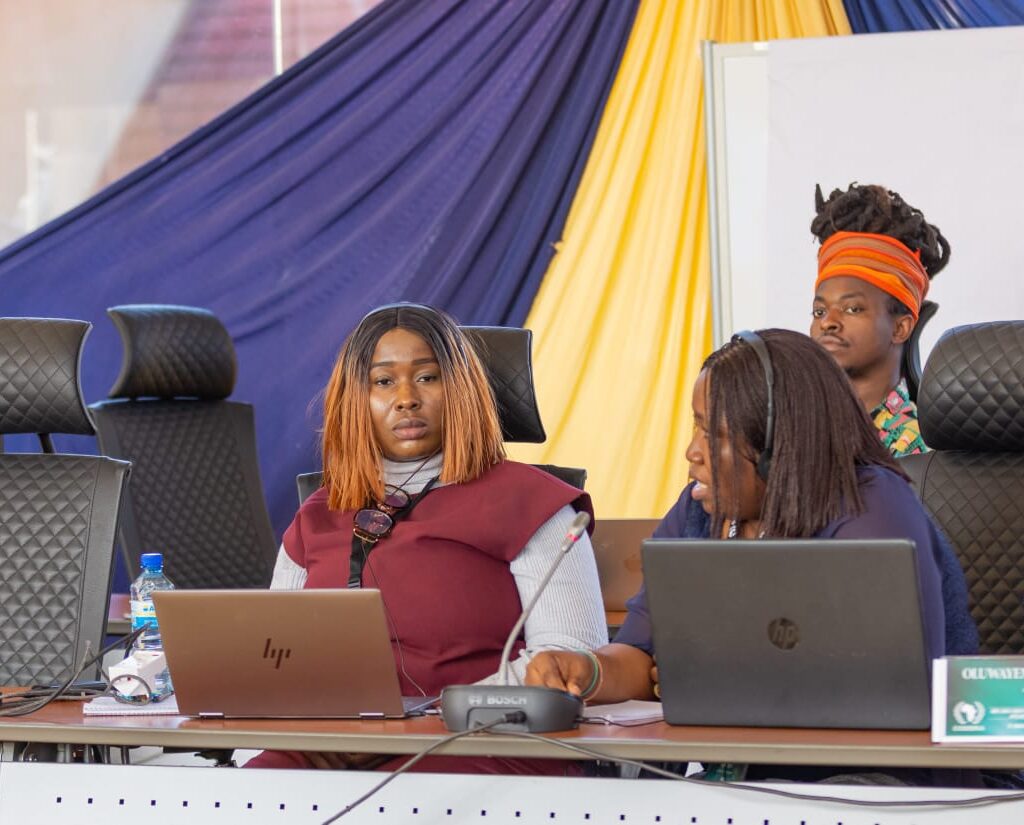
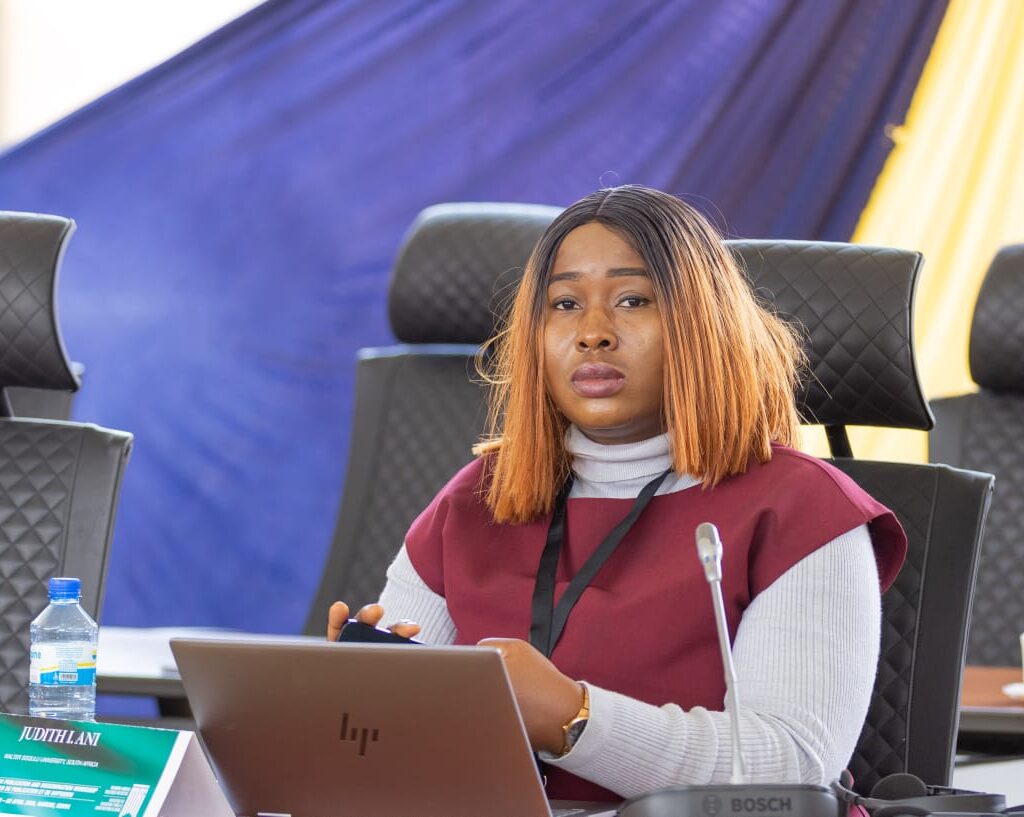
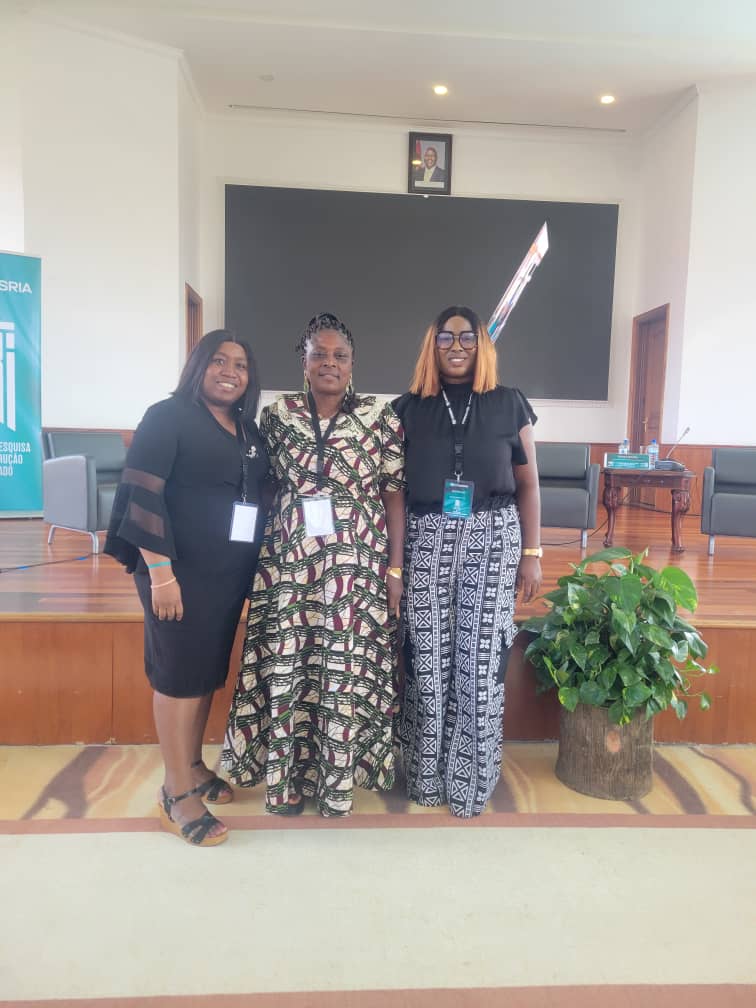
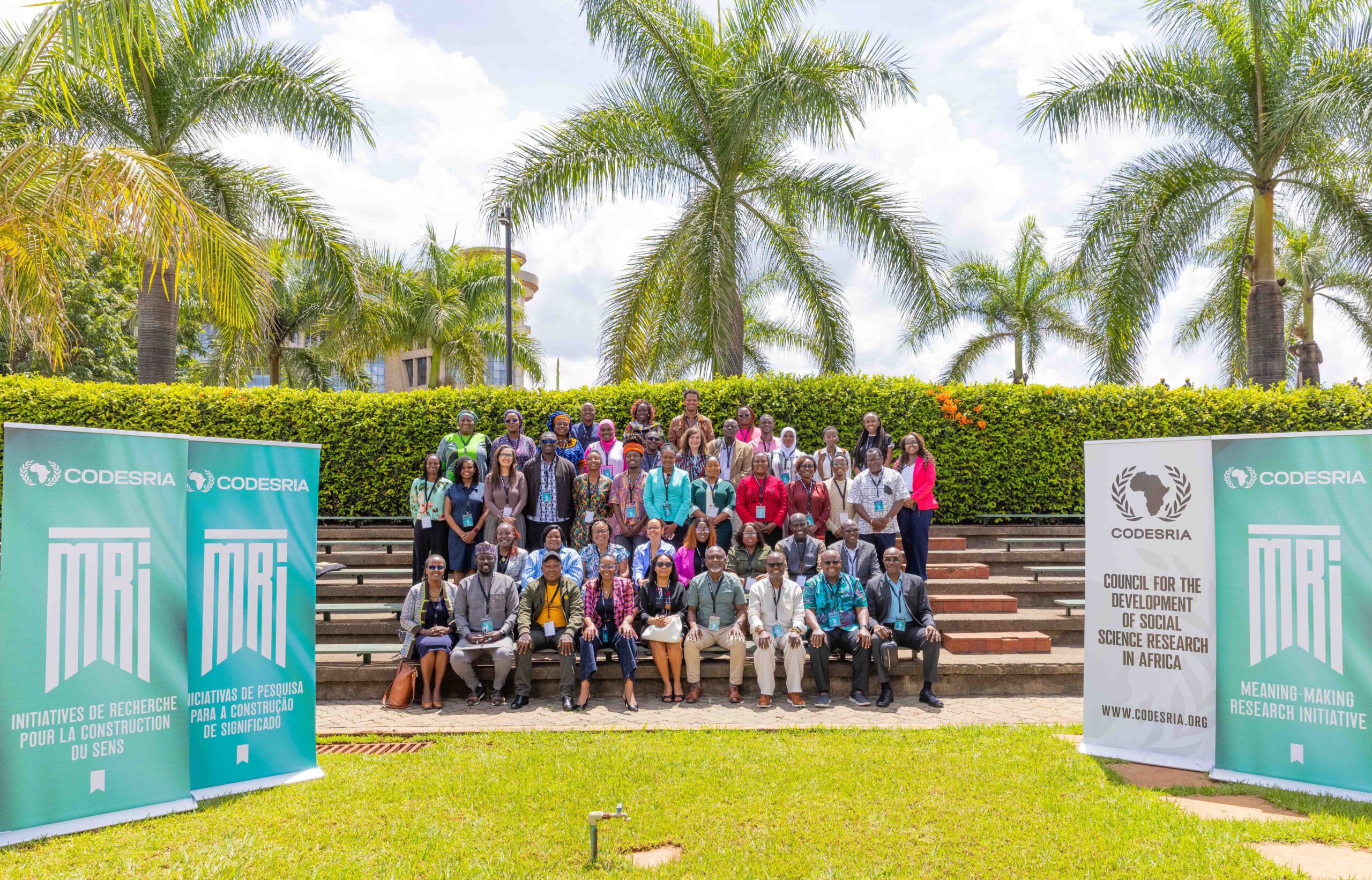
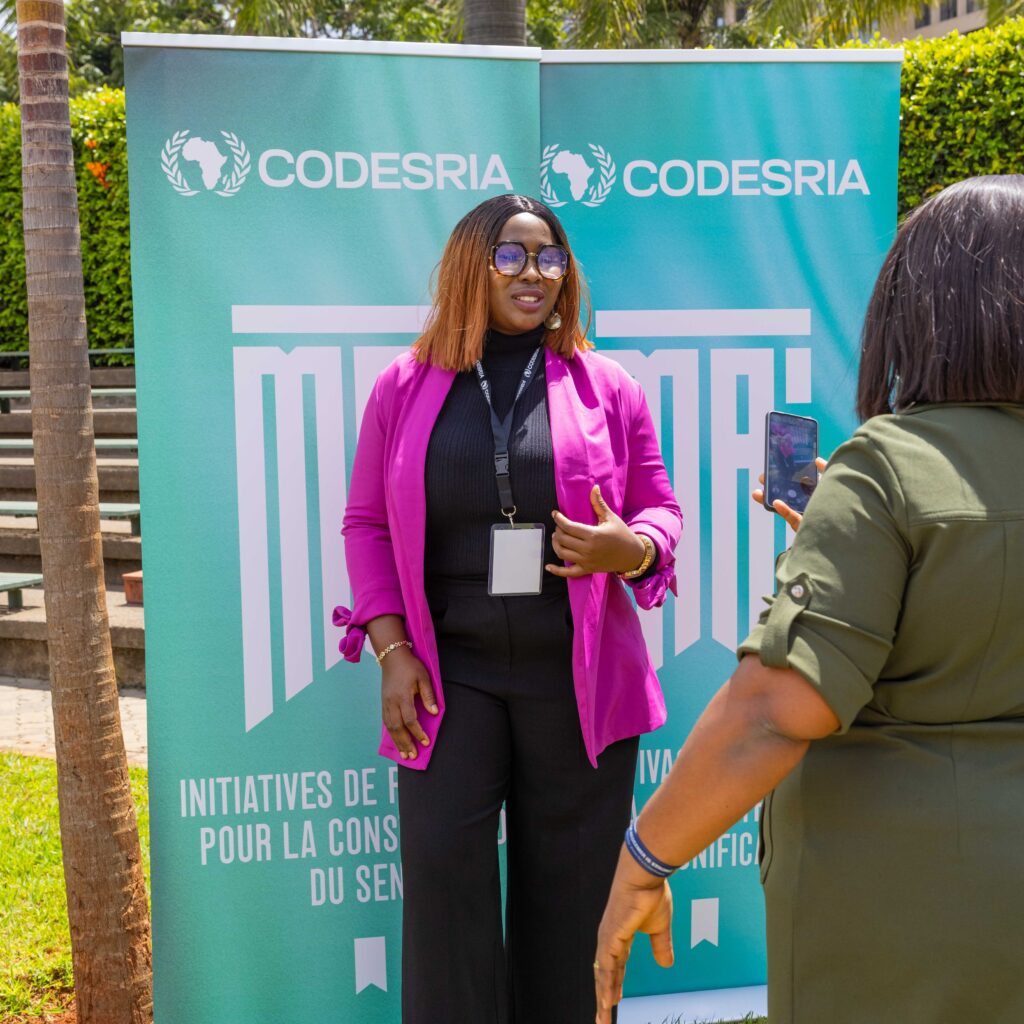
In April 2026, I had the privilege of representing my research team and presenting the key findings of our CODESRIA-funded study at the 2023/2024 MRI Publication and Dissemination Workshop in Nairobi, Kenya. The workshop brought together researchers from across Africa, united by a shared commitment to producing and communicating research that matters – research that can inform policy, shape practice, and ultimately improve lives.
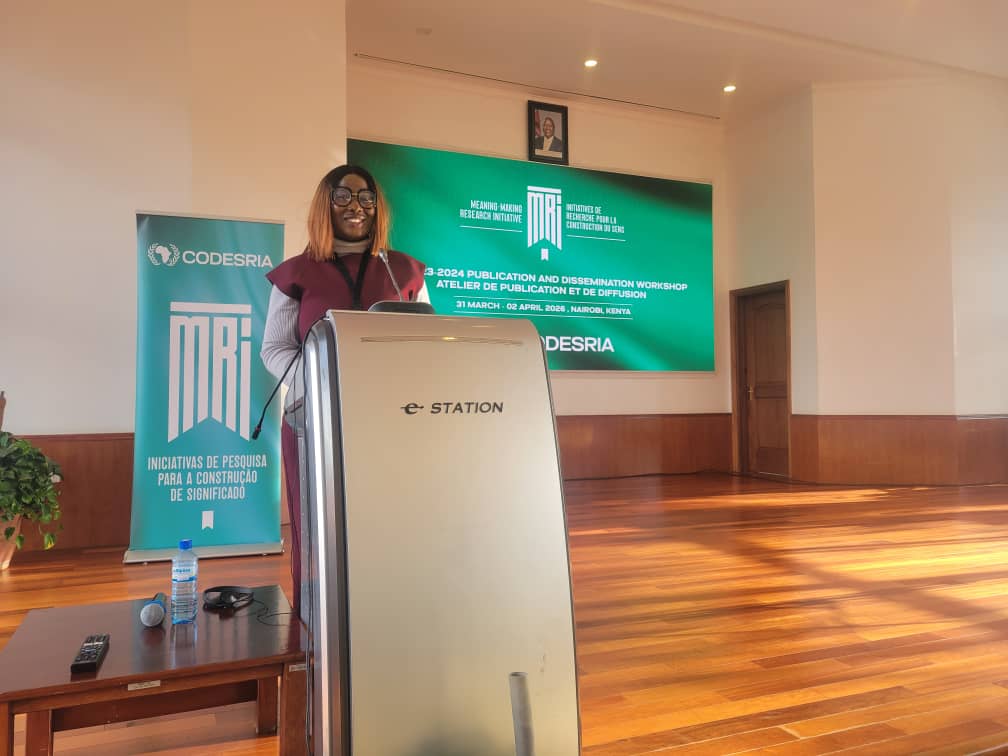
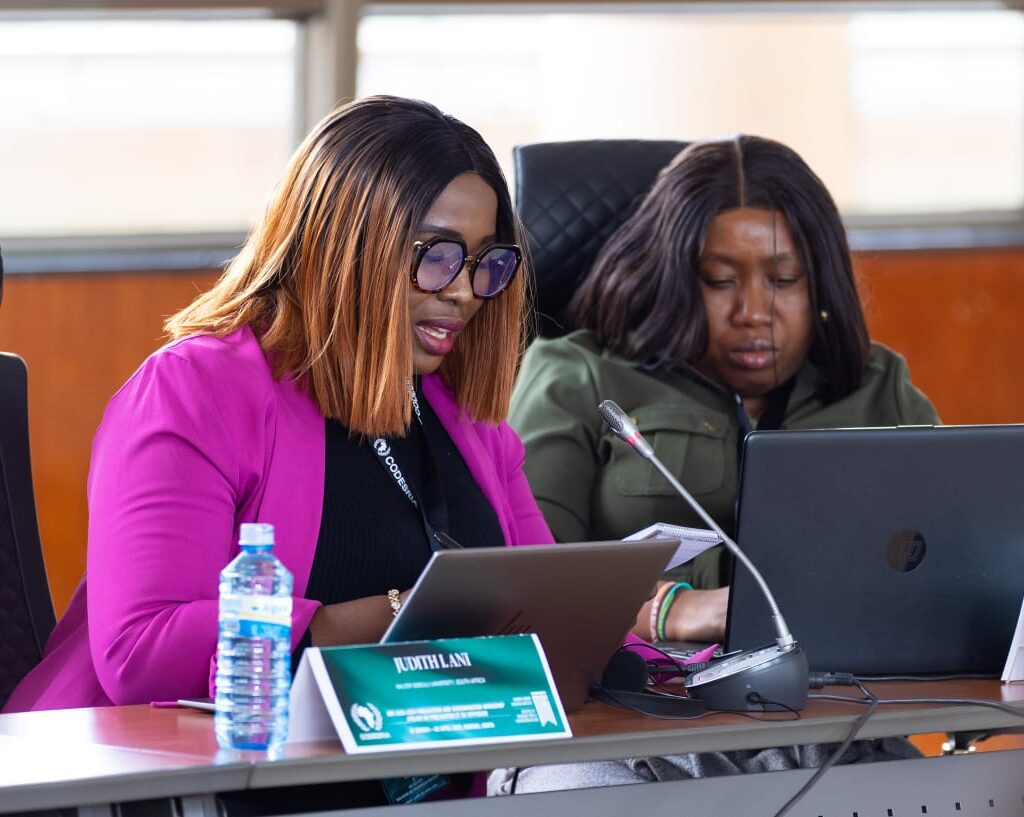
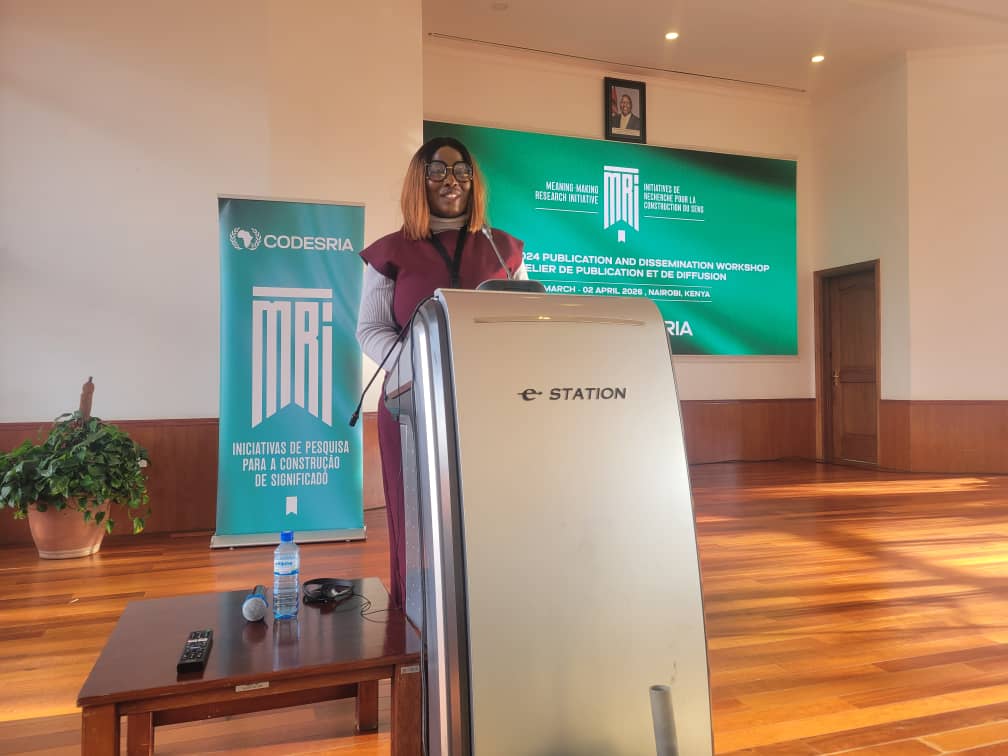
Our presentation, titled “Climate Change Induced Flooding: Implications for Food Security and Income Among Female Smallholder Farmers in Nigeria,” drew from several months, mixed-methods study conducted across all six geopolitical zones of Nigeria. What we shared in Nairobi was not just data – it was the lived experience of many women farmers whose worlds are being quietly dismantled by crisis.
Why This Study? The Problem We Could Not Ignore
Nigeria sits at a critical and deeply troubling intersection: it is one of Africa’s largest agricultural economies, and yet it is also one of the continent’s most vulnerable countries to the effects of climate change. The agricultural sector contributes significantly to the country’s GDP, and rural women – as primary food producers and household caregivers – sit at the very heart of this system.
Yet, as rainfall patterns become increasingly erratic, temperatures steadily rise, and flooding events grow more frequent and more severe, these women are being pushed to the margins of survival. The global literature has long established the nexus between climate change and food insecurity, but the specific, gendered dimensions of this relationship within Nigeria’s diverse ecological and sociocultural contexts remained underexplored.
Our study sought to close that gap. Specifically, we set out to:
– Understand historical climatic trends across Nigeria over time;
– Ascertain the impact of flooding on the food security of female smallholder farmers;
– Assess how flooding affects their income levels; and
– Determine the coping mechanisms these women employ to survive.
With funding from the Council for the Development of Social Science Research in Africa (CODESRIA) and guided by theoretical lenses – we designed a study that would not just measure suffering, but listen to the voices behind the numbers.

A Study Rooted in Rigor: Materials and Methods
One of the aspects of our research that generated considerable interest at the Nairobi workshop was the robustness of our methodology. We adopted a mixed-methods research design – combining the depth of qualitative inquiry with the breadth and statistical power of quantitative analysis. The research spanned Nigeria’s six geopolitical zones, with data collected in Bauchi (North East), Jigawa (North West), Kogi (North Central), Bayelsa (South-South), Ogun (South West), and Anambra (South East). This geographic breadth allowed us to capture the diversity of Nigeria’s ecological, cultural, and economic contexts. Our study engaged female smallholder farmers as primary respondents, alongside state and non-state actors as key informants.

Who Are These Women? A Profile of Our Respondents
Understanding our findings requires understanding who the women at the centre of our study are. The sociodemographic profile that emerged from our data paints a picture of structural disadvantage layered upon structural disadvantage.
The majority of respondents (54.2%) were between the ages of 30 and 49. Most lived in rural areas (87.1%), had low incomes – with 87% earning less than ₦60,000 per month – and had limited formal education, with 52.9% having less than secondary-level schooling. Access to financial services was almost entirely absent: 85.6% had no access to credit. Digital and energy poverty further compounded their vulnerability – 83% had no internet access, and 62.4% lacked reliable electricity.
These are women who are already operating at the margins. The arrival of floodwaters does not merely inconvenience them. It destroys them.

Key Findings: What the Data Told Us – and What the Women Said
1. Nigeria’s Climate is Changing – and the Evidence is Unmistakable
Our analysis of historical climate data across Nigeria revealed a stark and alarming picture. In the North, rainfall has declined progressively, driving drought conditions, desertification, and crop failure. In the South and coastal regions, the picture is almost the opposite: increasing rainfall variability and heavier precipitation events have made flooding more frequent and more destructive.
Average temperatures increased from 27.0°C in 2001 to 27.8°C in 2022. Northern regions recorded persistently low humidity (41%–49%), while coastal and southern regions showed high but increasingly unstable humidity levels, often exceeding 80%.
Perhaps most significant historically is the transition our data revealed: from the 1960s through the 1980s, climate risks in Nigeria were predominantly drought-related. Today, the country has shifted decisively toward a flood-prone reality – a transition with profound implications for farming systems, food production, and rural livelihoods that have not yet adapted to this new normal.
2. Flooding Is Recurrent, Unpredictable, and Deeply Feared
The voices we gathered across Nigeria’s six zones were consistent in their testimony: flooding is no longer a seasonal inconvenience. It is a recurring trauma.
“The floods keep coming almost every year.” – Case Study Participant, Female, Kogi
“Yes, the flooding is now more serious than before. Before, we used to expect floods around September, but now it can start as early as July, and we are not always ready.” – FGD Participant, Female, Bayelsa
“Floods affected me so much… I invested my money on the farm thinking I will make profits and then floods came [and] washed away everything… we are just managing life.” – Case Study Participant, Female Flood Survivor, Jigawa
These accounts illustrate something that statistics alone cannot fully convey: the psychological weight of living under the perpetual threat of flooding. Women plan, invest, plant – and then watch the waters take everything.
3. Knowledge of Climate Change Is Low, But Flood Experience Drives Awareness
Our Climate Knowledge Index (Cronbach Alpha: 0.788) revealed that formal knowledge of climate change among female smallholder farmers remains low. However, an important finding emerged: flood experience was the most significant predictor of climate change awareness. Women who had lived through flooding were markedly more aware of climatic changes – not through textbooks or extension services, but through the painful school of lived experience.
4. Flooding Is Devastating Food Security Across Five Dimensions
We constructed a comprehensive Household Food Insecurity Index encompassing five dimensions and 53 indicators: food access, perceived food availability, food utilization barriers, food stability, and food agency. The findings were deeply concerning.
78% of households reported worrying that food would run out before they could afford to obtain more – a direct marker of food insecurity. Approximately three-quarters of respondents could only “sometimes” afford balanced meals. Many households reported regularly reducing meal quality or shifting to cheaper, nutritionally inferior food options.
Our State and Flood interaction analysis revealed something particularly important for policy: the impact of flooding on food security is “location-sensitive”. Two farmers with identical educational backgrounds and similar farm sizes may experience dramatically different food outcomes depending solely on where they farm. This underscores the importance of geographically disaggregated food security interventions.
5. Flooding is Economically Devastating – The Numbers Are Stark
Using Structural Equation Modelling, we quantified what many policymakers have intuited but rarely measured with precision: flooding has a strong and statistically significant negative effect on income. Specifically, each one-unit increase in flooding severity reduces a female farmer’s monthly income by approximately ₦22,279. This happens either directly or indirectly. The direct pathway shows that flooding suppresses income. The indirect pathway is mediated through food insecurity as follows: Flooding → Food Insecurity → Income reduction. Both are statistically significant.
In other words, flooding does not only destroy crops in the moment – it deepens food insecurity, which in turn further erodes household income in a compounding cycle of deprivation.
6. Coping Strategies Are Largely Self-Driven – and Insufficient
Our analysis of preparedness and coping mechanisms revealed a troubling pattern: these women are largely “left to cope alone”.
Across six preparedness and response indices, the scores were uniformly low or average:
– Early Warning and Monitoring Index: Low (40.3%)
– Community and Institutional Response Index: Low (45.0%)
– Household and Individual Preparedness Index: Low (45.4%)
– Financial and Livelihood Adaptations Index: Average (42.5%)
– Social and Support Networks Index: Average (56.0%)
– Overall Preparedness: Poor (20.1%)
Coping strategies ranged from borrowing money and skipping meals to taking on additional jobs and drawing on indigenous adaptive knowledge. But these strategies are reactive, not preventive – and they are proving insufficient against the scale and frequency of contemporary flooding.
Beyond the Numbers: What Analysis Further Revealed
Some of the most profound – and perhaps most overlooked – dimensions of our findings emerged from our qualitative analysis. Climate change, our study reveals, is not merely an environmental or economic crisis. It is a gendered, socio-cultural, psychosocial, and even spiritual crisis for these communities.
Gendered: Flooding intersects with and exacerbates existing gender inequalities, touching on reproductive health, gender-based violence, and women’s reduced bargaining power within households and communities.
Psychosocial: Female farmers reported trauma, anxiety, and psychological distress linked to recurring flood events – dimensions that remain entirely absent from most climate adaptation frameworks.
Cultural: Indigenous knowledge and cultural practices – including beliefs about specific plants that can ward off floods – form an important part of how communities interpret and respond to climate events. These cannot be dismissed; they must be engaged.
Spiritual: In some communities, flooding has been “deified” – understood as a spiritual phenomenon as much as a physical one. This shapes how communities respond and what interventions they will accept.
Our findings also documented how flooding is “accelerating the feminisation of agrarian poverty” – deepening women’s economic vulnerability, displacing them from ancestral land, eroding cultural ties, and in some cases triggering “de-agrarianization”: women withdrawing from farming altogether, a development with dire implications for household food systems and rural community stability.


Some Recommendations from Our Study
Our research concludes with some clear and urgent set of recommendations:
- Women-centred climate adaptation policies – Policy must explicitly recognise and respond to the gendered dimensions of climate-induced flooding.
- Improved access to land, finance, and agricultural innovation – Structural barriers that limit women’s economic agency must be dismantled.
- Integration of indigenous knowledge systems – Adaptation frameworks must incorporate, not ignore, the knowledge that communities have developed over generations.
- Community-driven, Afrocentric approaches – Solutions imposed from outside will fail. Locally-rooted, culturally-resonant strategies are more likely to succeed.
- Expanded climate financing for vulnerable communities – The communities most affected by climate change are also those with the least access to adaptation funding.
- A shift from reactive to proactive resilience – The current reliance on experience-based coping must give way to proactive climate education and preparedness before disasters strike.
Our recommendations are directly relevant to the achievement of multiple Sustainable Development Goals:
- SDG 1 (No Poverty)
- SDG 2 (Zero Hunger)
- SDG 3 (Good Health)
- SDG 5 (Gender Equality)
- SDG 8 (Decent Work)
- SDG 11 (Sustainable Communities), and
- SDG 13 (Climate Action).
Challenges
It is worth noting that fieldwork was not without its challenges. Several communities were only accessible by boat. We encountered call-back difficulties, requests for payment, security concerns, field accidents, and participant attrition – partly due to displacement from prior flood events, and partly due to communities’ negative experiences with previous researchers. These challenges only deepened our conviction that rigorous, ethical, community-centred research in these contexts demands patience, adaptability, and genuine respect for participants.
A Few Other Highlights Worth Mentioning
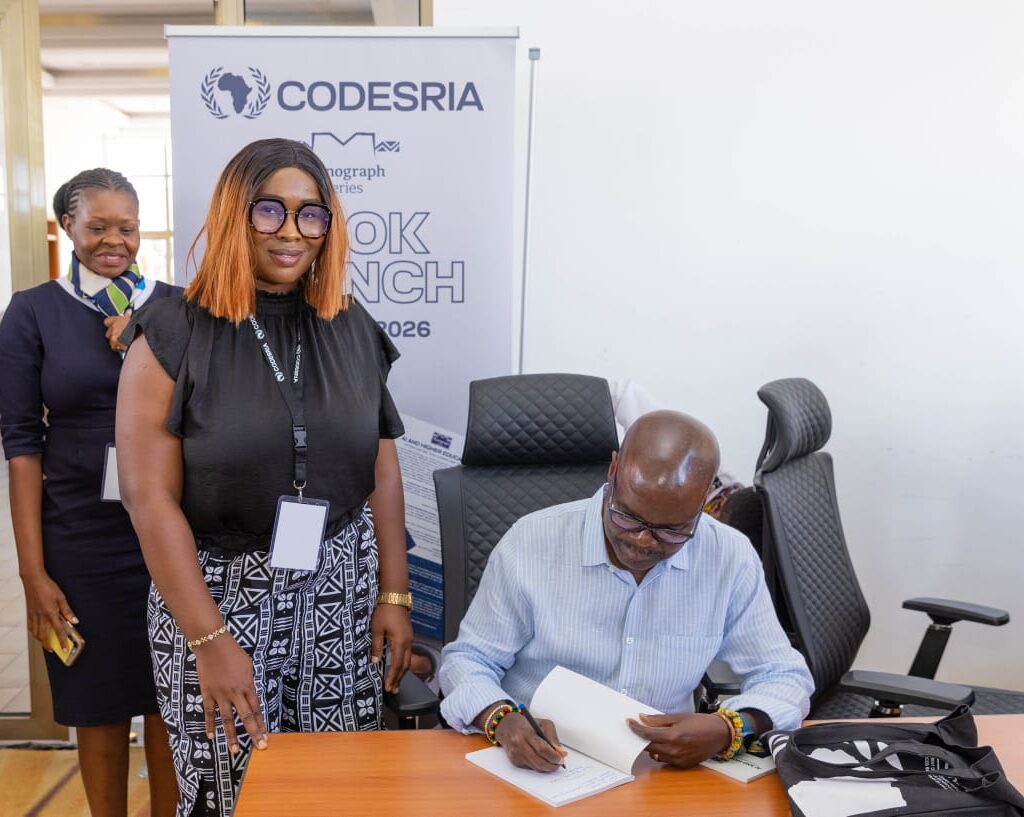
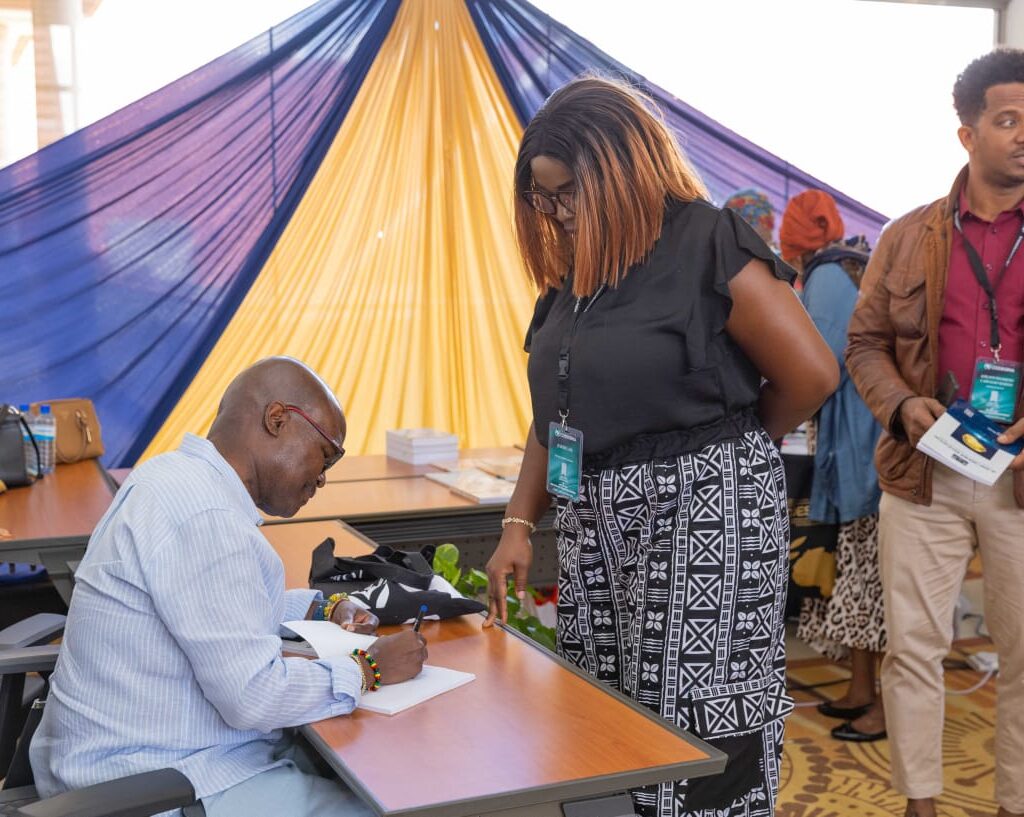
The workshop was far more than a platform for presenting research – it was a vibrant intellectual gathering that brought together scholars from across Africa to interrogate the state of knowledge production, publication, and dissemination on the continent. The workshop featured two landmark keynote addresses: Professor Paul Tiyambe Zeleza challenged participants to confront the transformative – and disruptive – implications of Artificial Intelligence for social science research and knowledge circulation in Africa, while renowned Kenyan author and media personality Barack Muluka delivered a compelling talk on intellectual freedom as an epistemic standpoint, urging African researchers to reclaim agency over how knowledge produced on the continent is processed, published, and shared with the world. A highlight of the workshop was the much-anticipated book launch of AI and Higher Education: Opportunities, Challenges and Trends, co-authored by Paul Tiyambe Zeleza and Ben Vinson III – a timely and thought-provoking contribution that sparked rich debate among participants. Adding to the personal significance of the workshop, I had the honour of serving as rapporteur for Barack Muluka’s keynote session, a role I found both instructive and deeply rewarding.

Reflections on Nairobi
Presenting this work at the MRI Publication and Dissemination Workshop in Nairobi was both humbling and energising. The questions, observations, and contributions from fellow researchers deepened our understanding and reaffirmed the importance of this kind of research – research that centres African voices, African experiences, and African solutions.
We are grateful to CODESRIA for the funding that made this study possible, and to the many mentors and colleagues who shaped our thinking throughout the research process. Above all, we remain grateful to women farmers across Nigeria who trusted us with their stories, their pain, and their resilience.
As Ban Ki-Moon once observed: “Climate change is the single greatest threat to a sustainable future – but, at the same time, addressing the climate challenge presents a golden opportunity to promote prosperity, security, and a brighter future for all.”
For Nigeria’s female smallholder farmers, that future cannot wait.
The full study was supported by CODESRIA. For enquiries or collaborations, please contact the lead researcher: info@judithiani.com