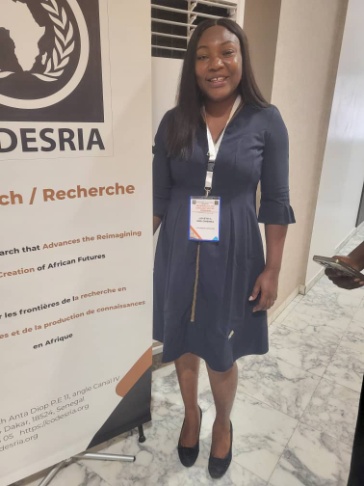
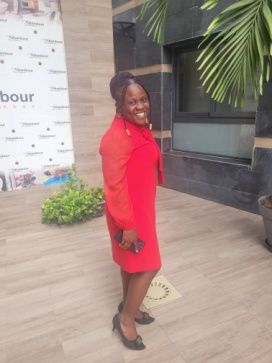
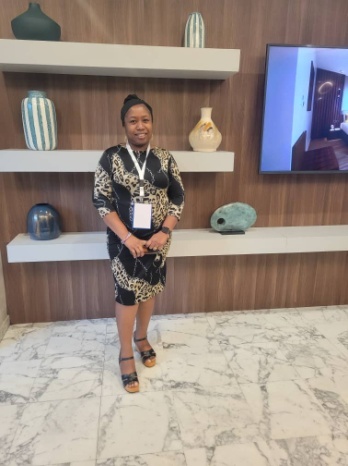
Today, we at diaderc.centre are thrilled to spotlight a remarkable beacon of innovation and social impact in renewable energy research—Dr Judith Ifunanya Ani. She is an active DIaDeRC Team member serving as Programme and Partnership Lead.
Dr Judith holds a Doctorate from the University of Ibadan, Nigeria, and she is an embodiment of transformative change. Her expertise spans sociology, demography, and population studies, making her a disruptive thinker in our field. Her high energy and passion set her apart as a leader who believes in the power of knowledge and collaboration to drive sustainable development across Africa. Judith’s innovative approaches to harnessing solutions exemplifies what it means to be a resourceful leader—training teams, engaging stakeholders, and building partnerships that create pathways for success. Her work is not just about research; it’s about empowering people, which typifies DIaDeRC’s Motto of ‘Honing Knowledge for Transforming Lives’ As a passionate advocate for social impact, she is relentless in her pursuit of knowledge and shares her insights to uplift others. We continually inspired by her ability to solve complex problems and her commitment to fostering sustainable practices. We invite you to join us in celebrating Dr. Judith Ani’s contributions; with the recent ones including Serving As Facilitator for Epsiode 2 in ASMN 4.0 and leading DIaDeRC Quartet Team for CODESRIA’s MRI (Meaning-making Research Initiative). How do you see research impacting communities and societies? Your thoughts are invaluable to us! Let’s engage with Dr Ani’s vision and work together towards a brighter, more sustainable future.
The emergence of the COVID-19 pandemic in Nigeria marked a significant turning point in the nation’s history. Since the first confirmed case[1] in sub-Saharan Africa on February 27th, 2020, Nigeria experienced a steady increase in the number of reported cases as of then. However, when compared to other regions around the world, Africa, including Nigeria, was relatively spared from the worst effects of the pandemic. Understanding the dynamics of global health pandemics like COVID-19 requires contextual and retrospective explanations. In other words, what could have accounted for the relatively low number of cases in this region thought to be at a considerably higher risk that would have surpassed other countries where cases were reported? What were the social perspectives on the pandemic in Nigeria? This article delves into the social dynamics and retrospective factors that shaped Nigeria’s experience with COVID-19 and discusses vaccine uptake in Nigeria.
Adoption of Social Measures
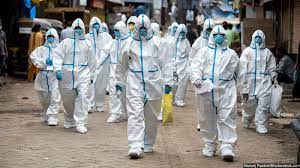
Upon the emergence of the virus, the Nigerian government, beyond clinical interventions, swiftly implemented social and public health measures such as social distancing, wearing facemasks, avoiding public gatherings, no handshakes, and imposing lockdowns. These measures were widely embraced by the public, playing a crucial role in mitigating the impact on the fragile healthcare infrastructure. Moreover, the dissemination of information on COVID-19 was facilitated by community health workers who not only provided healthcare services but also shared vital preventive measures within rural and underserved communities that had no access to COVID-19-related information.
Demographic Factors
Looking back, Nigeria’s population structure likely played a significant role in containing the spread of the virus. Nigeria has a youthful population structure, with approximately 61.97% between 0-24 years[2]Where high case fatality was recorded, most deaths were among the elderly because this sub-population was more vulnerable to severe illnesses given their age and vulnerability. In Nigeria, older adults predominantly reside in rural areas rather than urban areas or institutional homes. Place of residence has implications for transmission. Generally, in Nigeria, institutional homes are rare and older adults prefer to live in their communities in the rural areas. The lower population density in these areas and the absence of enclosed spaces, such as malls, potentially contributed to limiting the transmission of the virus among this sub-population regardless of their heightened vulnerability.
Sociological Shifts
From a sociological point of view, the pandemic brought about substantial changes in social interactions, leading to a “social disruption” that altered societal norms and patterns of behaviour. Some latent functions[3](unintended consequences) of the pandemic in Nigeria were also implicit. As sociologists, we value social order, yet we recognize the potential for growth and change within crises. We see the latent function in every crisis and make meanings from it. One key preventive tip during the pandemic was “social distancing”. This simply meant that people avoided close contact with each other. People found innovative ways to stay connected despite physical distancing measures. As human connections were altered, new patterns emerged. The illusions of connections became real. People were distanced yet felt more connected. Online platforms enabled religious activities, classes, and live entertainment, fostering a sense of connection during a time of physical separation. Individualism, though not erased, was gradually replaced with empathy especially for victims of the dreaded virus as encouragement filtered through the air.
Greeting patterns underwent a transformation, giving rise to new cultural norms. Funeral rites experienced changes, and the bereaved were not allowed to bid their loved ones a proper farewell. Additionally, handshakes were actively discouraged. It became evident that no behavioural pattern was inherently sacrosanct, rather, they were relative. Patterns that once represented positive norms for collective consciousness underwent alterations due to anomalies. What was once a gesture of imposed trust turned into a symbol of distrust. In Nigeria, a handshake had long been regarded as a sign of camaraderie, but with the emergence of the deadly virus, it became a potential means of transmission. Offering a hand for a shake suddenly raised suspicion towards the individual. Prior to the pandemic, the situation was quite the opposite. If a handshake was declined, the person who declined it was seen as an antagonist. However, during the pandemic, the one extending a handshake was perceived as an adversary, suspected of being a carrier of the virus.
Belief Systems and Coping Mechanisms
People’s perception of the strategies to control the virus mirrored their belief systems, which were influenced by various factors such as developmental stages, economic status, and poverty levels. Drawing upon Karl Marx’s analogy, religion was seen as the opium of the masses, offering solace and meaning during times of crisis. Consequently, individuals turned to religion as a means to comprehend the pandemic—a reflection of society’s reliance on this opiate, as Marx once famously remarked.
During the pandemic, various beliefs emerged among people. Some drew parallels between the pandemic and the plagues of ancient Egypt during the enslavement of the Israelites. Others held the belief that the world was on the brink of an apocalyptic end, where life would cease to exist on earth. Additionally, some saw the pandemic as a divine punishment targeting Western monarchies, which were perceived as sources of corruption and indecency spread across the globe. In an attempt to absolve Nigeria from the pandemic’s impact, the hot climatic conditions were seen as a divine intervention—a panacea sent by God to protect them. It was believed that the virus could not survive in such hot climates like Nigeria, reinforcing the notion that the country was spared from its full effects.
Some individuals succumbed to non-medical advice, such as consuming salt, water, and vinegar, or relying on herbs and roots like ginger and garlic, and even resorting to hot baths in hopes of eliminating the virus.
These practices were viewed as myths and ineffective for health, often associated with a higher prevalence of poverty and non-rational beliefs. On the other hand, for some, religion and spirituality became adaptive mechanisms during these trying times. In essence, “spiritualizing” became a coping strategy in dealing with health challenges like the coronavirus.[4]
Vaccine Uptake
As the lockdowns were lifted, people resumed their daily activities. However, a significant number of individuals continued to disregard the preventive measures in place, raising concerns about trust in the reality of the virus itself. The administration of the COVID-19 vaccine presented a new challenge that the government is currently grappling with. Unfortunately, vaccine uptake remains low in Nigeria. As of 19 March 2023, only a total of 116,606,863 vaccine doses have been administered[5], which is quite low compared to a population of over 200 million people.
While Nigeria initially responded effectively to the pandemic, challenges have emerged concerning COVID-19 vaccine uptake. This raises important questions: What caused this shift? Why did the public seem to forget the severity of the situation so quickly? What is the root of the fear surrounding vaccination? The implications of low adherence to vaccination are concerning. Reports revealed that the government faces unprecedented levels of distrust, as exemplified by the mishandling of COVID-19 palliatives meant for the people, leading to unnecessary suffering and loss of life. In 2021, reports also revealed that over one million doses of COVID-19 vaccines expired and needed to be destroyed[6]. This raises important questions: Why did more than one million doses expire within the timeframe since the first vaccine arrived in Nigeria? What was the shelf life of these vaccines? When were they produced, and why did the government opt for vaccines with close expiration dates? Does this not represent a waste of resources?
Conclusion
The COVID-19 pandemic reshaped Nigeria’s social fabric, highlighting both resilience and vulnerabilities within the society. By examining the retrospective and social perspectives of Nigeria’s experience, valuable lessons could be learned for future health crises. While the initial response was effective, the populace’s adherence to preventive measures dwindled over time, raising questions about the reasons behind this shift. Vaccine uptake has been low, and fear and distrust surrounding vaccination have played a significant role in hindering progress. Effective collaboration between the government, healthcare systems, and the public is crucial to navigating the challenges ahead and mitigating the impact of the pandemic on Nigeria’s population.
The Nigerian government must prioritize building trust among the population by acknowledging their hardships and implementing practical measures. Access to testing and vaccination should be increased, and mass enlightenment campaigns should employ local languages and influential figures. Additionally, vaccines must undergo rigorous testing to ensure safety. Simultaneously, citizens must recognize the importance of protecting their health and comply with preventive measures to curb the spread of the virus and prevent avoidable deaths. Ultimately, a united and concerted effort between the government, healthcare authorities, and the public is necessary to effectively combat the pandemic, increase vaccine uptake, and protect the well-being of the Nigerian population.
OpenEdition suggests that you cite this post as follows: Judith I. Ani (July 19, 2023). The COVID-19 Pandemic in Nigeria: A Retrospective Social Perspective and Vaccine Uptake. Threads of Time. Retrieved May 20, 2025 from https://timethreads.hypotheses.org/34
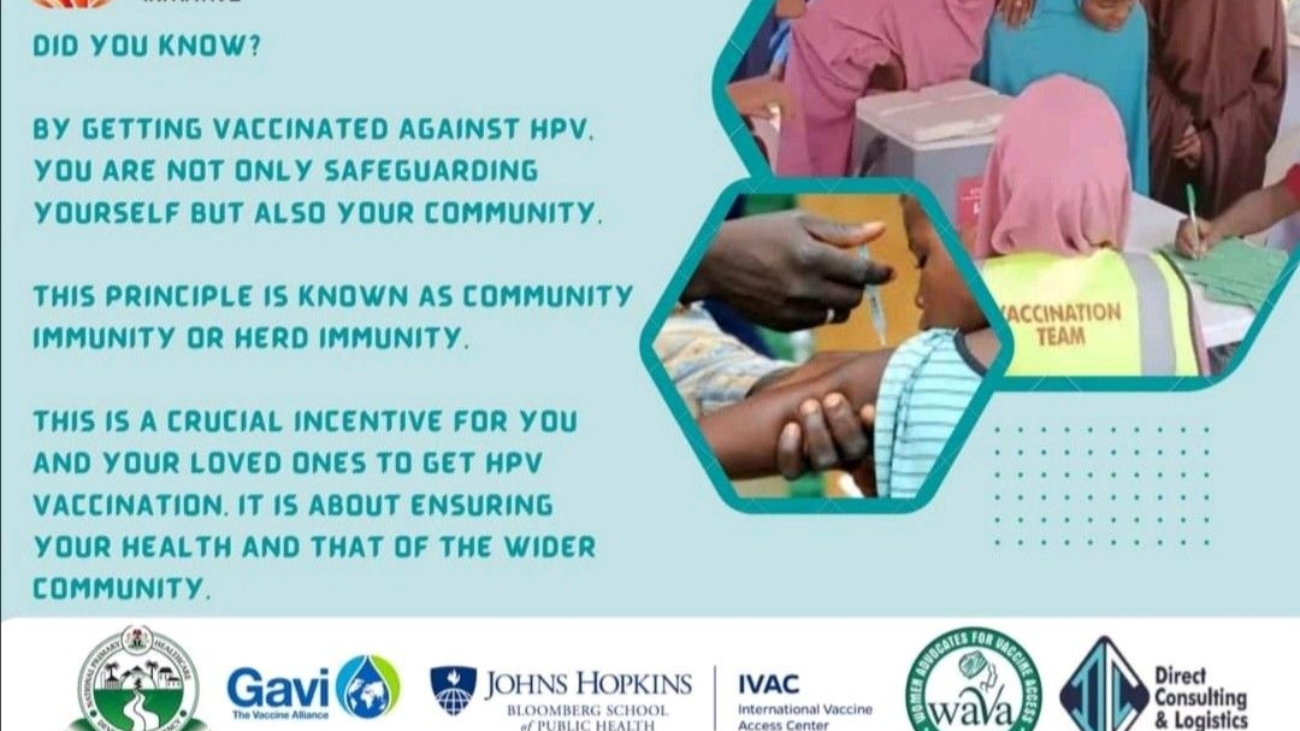
Herd immunity is critical in public health, especially for contagious diseases like Human Papillomavirus (HPV) and cervical cancer. HPV vaccination plays a crucial role in achieving herd immunity by reducing the prevalence of HPV infections within a population. By vaccinating a large proportion of the population, the spread of HPV is inhibited, thereby lowering the risk of transmission to unvaccinated individuals. This not only protects vaccinated individuals from HPV-related diseases like cervical cancer but also provides indirect protection to those who are not vaccinated, including those who cannot receive the vaccine due to medical reasons or socioeconomic factors. Consequently, herd immunity serves as a powerful tool in combating HPV and preventing the associated health complications, ultimately contributing to public health efforts in reducing the burden of cervical cancer. By getting vaccinated, you not only safeguard yourself but also help shield others who may be at risk. Let’s work together to create a healthier future for everyone!
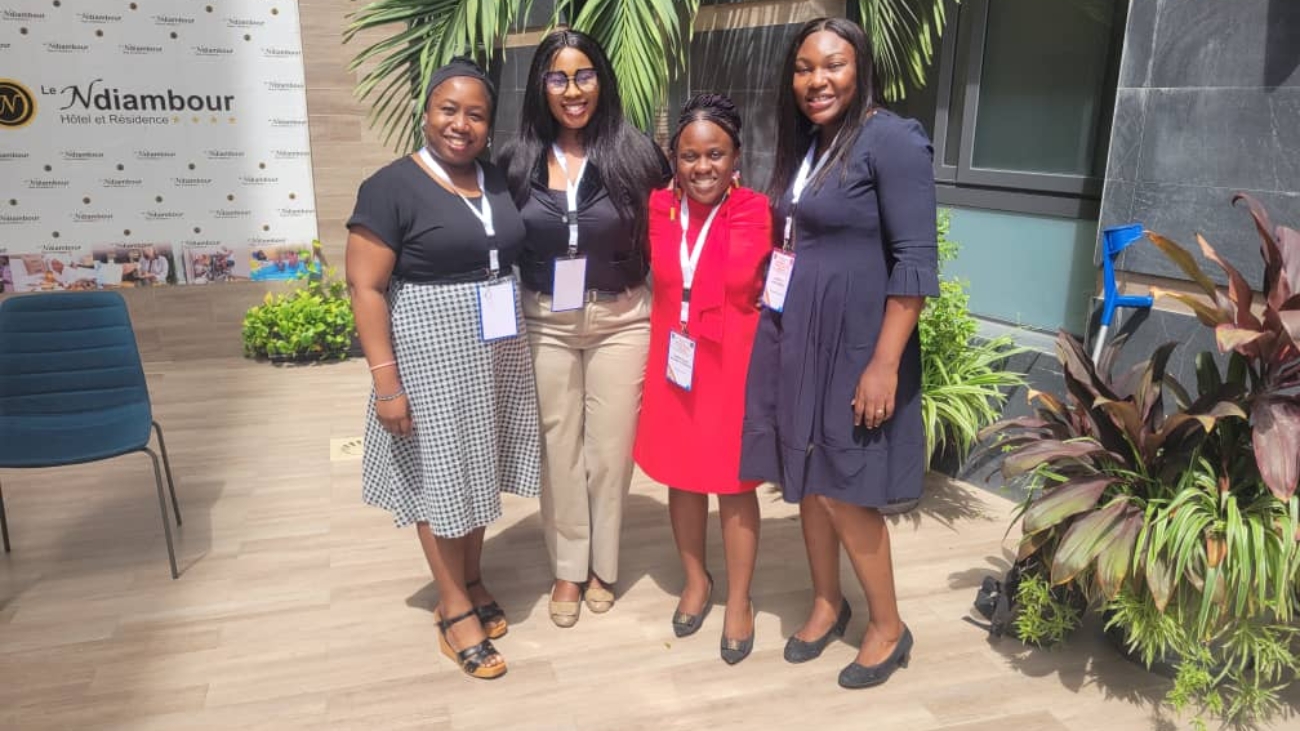
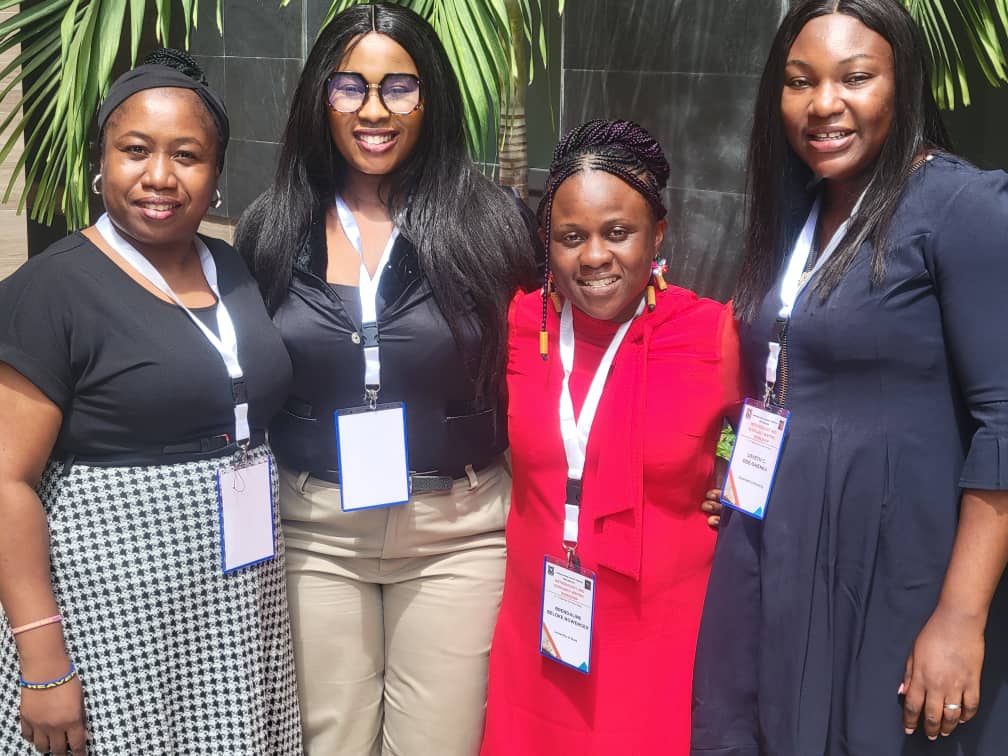
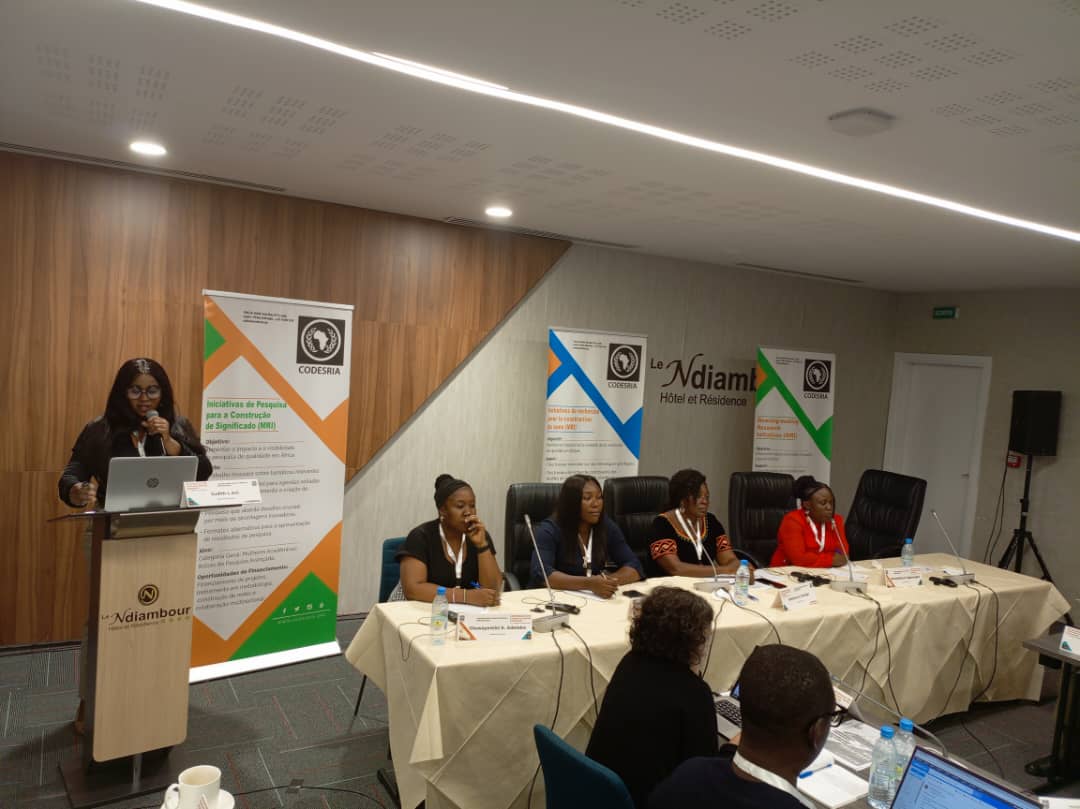
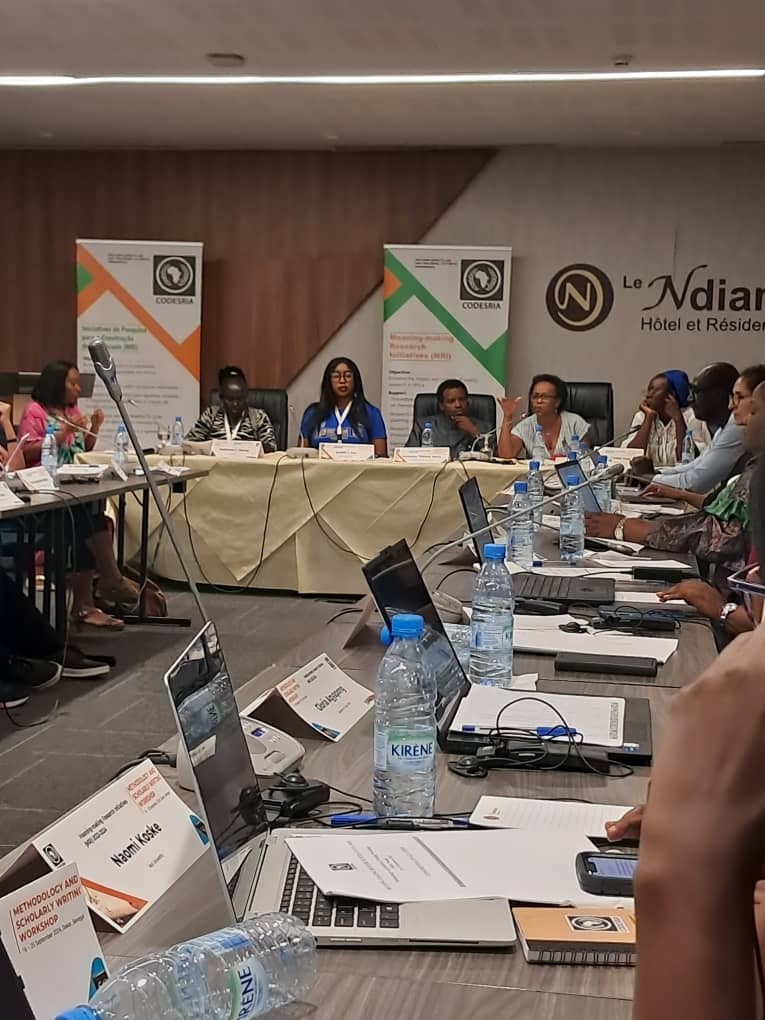
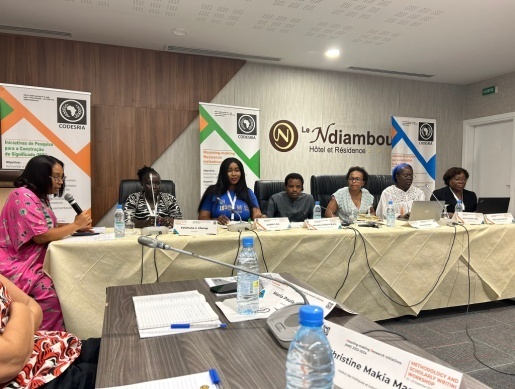
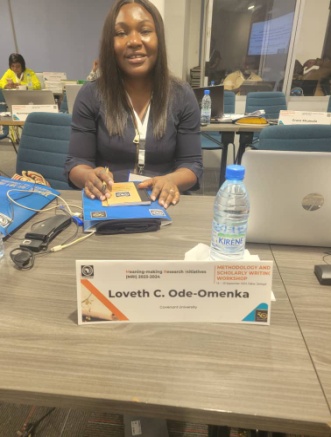
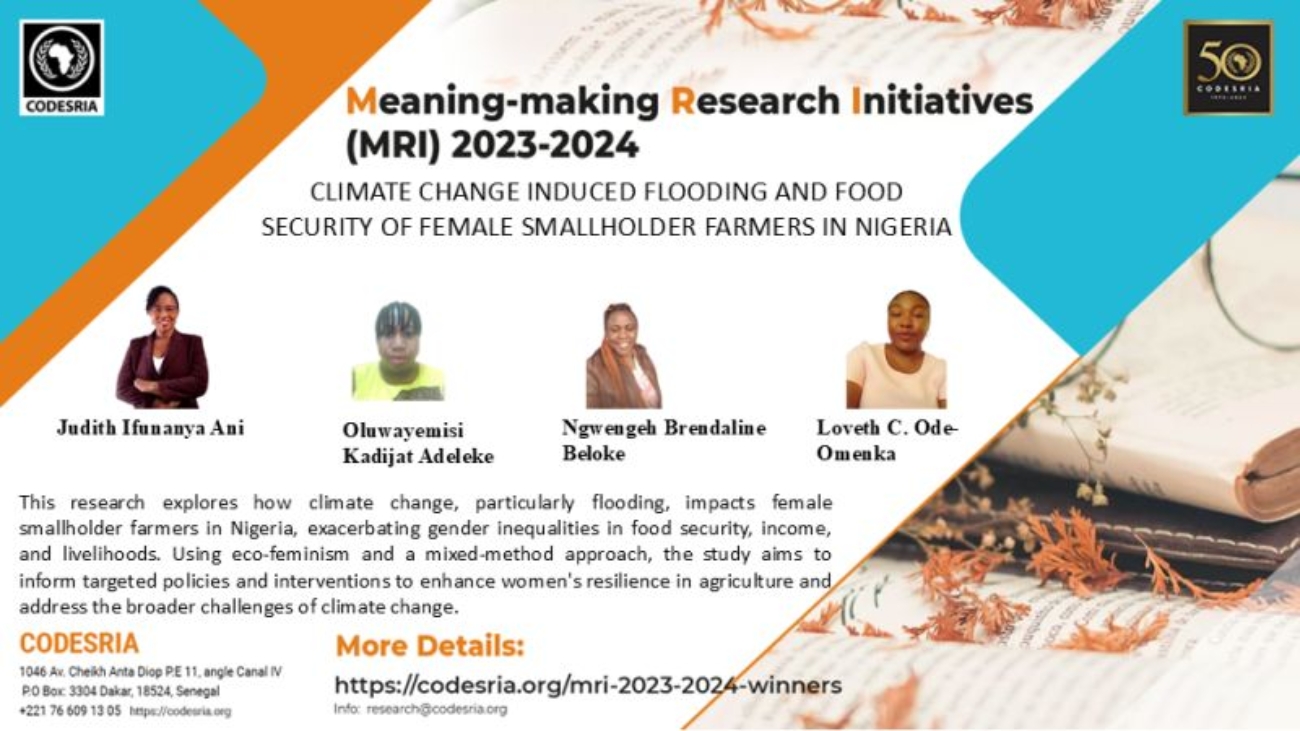
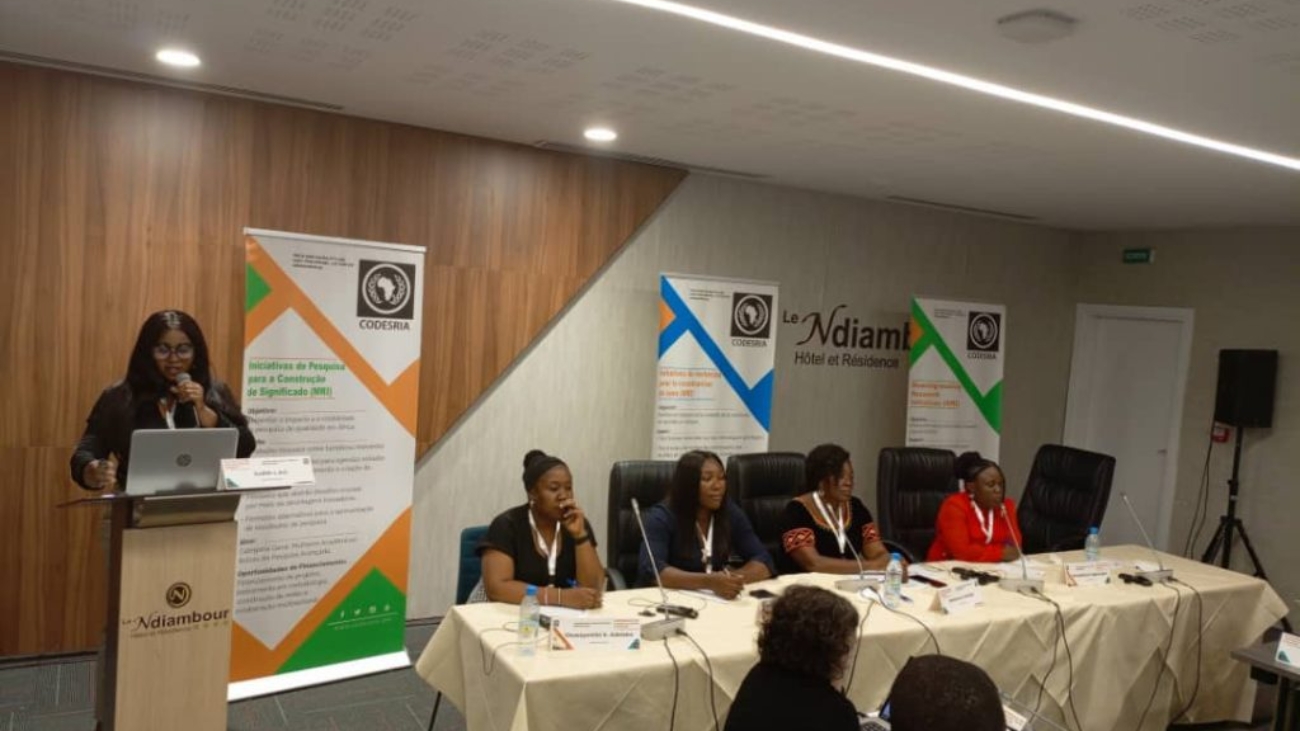
Following the announcement published on the website of the Council for the Development of Social Science Research in Africa (CODESRIA) on the winners of the 2023/2024 CODESRIA’s Meaning-making Research Initiatives (MRI) competition, four DIADERC team members, led by Dr. Judith I. Ani, Programmes and Partnership Lead, participated in the prestigious CODESRIA Meaning-making Research Initiatives (MRI) Methodology and Scholarly Writing Workshop held at Le Ndiambour Hotel, Dakar, Senegal, from 16-20 September 2024.
Their proposal, “Climate Change-Induced Flooding: Implications for Income and Food Security among Female Smallholder Farmers in Nigeria”, was one of 14 proposals selected from 116 submissions. This significant achievement reflects the team’s dedication to addressing the intersection of gender and climate change, with a specific focus on how climate-induced flooding disproportionately affects the livelihoods of female smallholder farmers. The research aims to provide practical, policy-relevant recommendations to enhance climate resilience among these vulnerable groups.
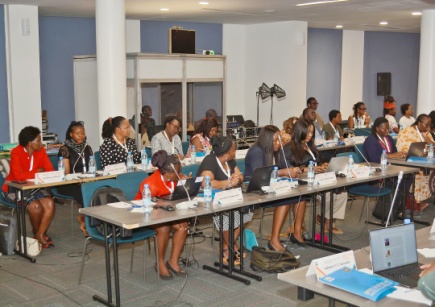
The workshop provided valuable opportunities to enhance their research methodologies, writing skills, and project design, ensuring the robustness of the proposals and alignment with CODESRIA’s thematic priorities. During the workshop, scholars were introduced to the resource persons who will guide their projects through completion. Participants also gained insights into African epistemologies, expanded their research knowledge, and built connections with fellow scholars. Team members also had the opportunity to present (https://x.com/CODESRIA/status/1835686162188439587?t=9-I2YaAU5fc1iOp6qQzzYg&s=08) their proposal to resource persons and fellow scholars.
It is important to highlight the active participation of team members throughout the workshop, where they contributed in various roles and capacities. For instance, Dr. Oluwayemisi K. Adeleke served as a Rapporteur during a group presentation, while Dr. Judith I. Ani took on the role of Rapporteur during a resource-person presentation. Additionally, Dr. Ani was part of a roundtable discussion with laureates on the theme “Rethinking African Scholarship in Complex Times: Possibilities and Challenges.” Their involvement showcased their commitment and added significant value to the workshop.
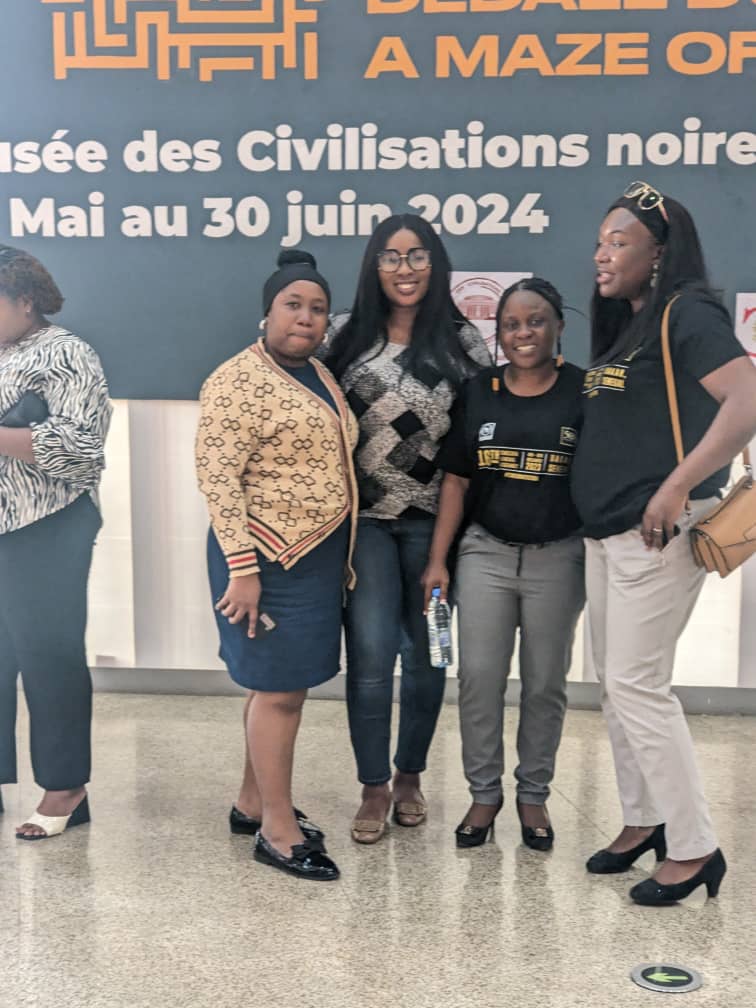
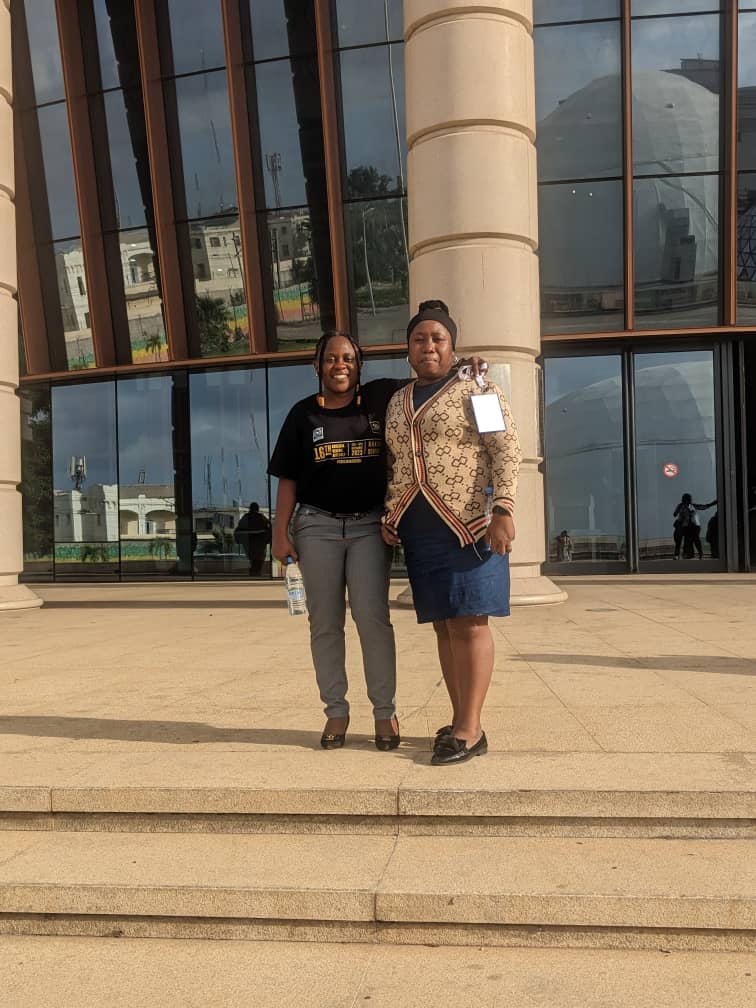
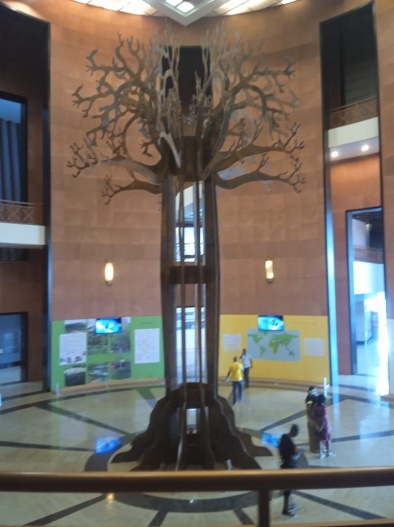
Beyond the in-class activities, members had the pleasure of exploring the beautiful city of Dakar renowned for several tourists’ attractions. In other words, the workshop was not just an academic pursuit; it also offered a chance to explore Dakar’s rich culture. The DIaDeRC team visited the Museum of Black Civilisations (Musée des civilisations noires), recognized by Time magazine as one of the “World’s 100 Greatest Places of 2019.” This museum beautifully encapsulates Africa’s rich history, science, antiquities and heritage, and its exhibits connect the past and present of Black people across the globe.
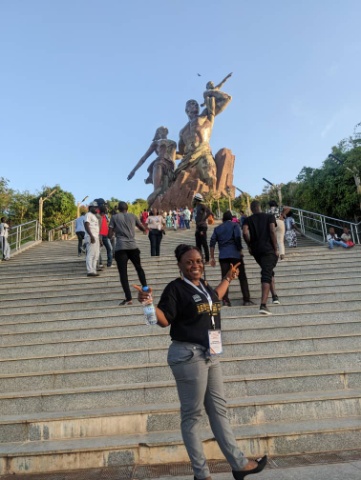
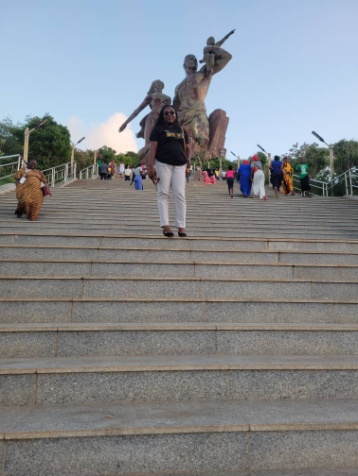
A visit to the iconic African Renaissance Monument (Monument de la Renaissance Africaine), further underscored the resilience and strength of African people. The 52-meter (171 ft)-tall bronze statue, located on top of one of the twin hills known as Collines des Mamelle, overlooking the Atlantic Ocean, serves as a symbol of hope and a reminder of the sacrifices made by African heroes. An inscription at the foot of the statue enjoins tourists to think about the resilience of the people whose sacrifice brought about the African Renaissance. As the team climbed the 180 stairs to the monument, they reflected on the importance of resilience—a value that aligns with their research efforts aimed at contributing to Africa’s development.
It is often said that all work and no play makes Jack a dull boy. Thus, in addition to the cultural experiences, the team enjoyed a relaxing day at Dakar’s scenic beach, where they found time to unwind and take in the beauty of the Atlantic Ocean. Here, they admired the beautiful sea, listened to the rustling of the waves and heard the sound of the waters that chimmed its consonance with their scholarly sojourn in Dakar. It was such a refreshing time spent at the Dakar beach.
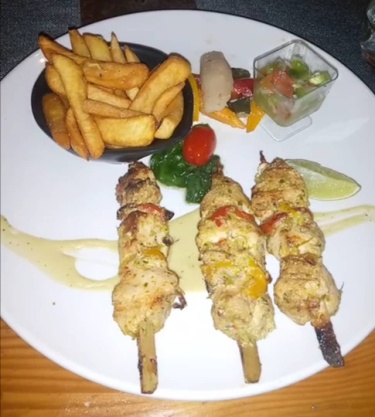
They capped off their trip with a memorable dinner at Restaurant Phare des Mamelles, known for its rich history and live music performances, fostering camaraderie among workshop participants. This Restaurant lies on an iconic altitude of 153m and offers rich experience of the iconic Lighthouse and aerial view of the Atlantic ocean and surrounding environs.
This journey marked a significant milestone for the DIaDeRC team and exemplifies the power of collaboration, networking and passion for societal development. We are excited to welcome the team back and look forward to seeing the impact of their research on female smallholder farmers in Nigeria.
Keep flying the flag high, DIaDeRC! Your work is inspiring and vital to Africa’s future!
Below, team members share their personal experiences at the workshop:
Judith I. Ani:
The workshop offered me rich insights into African epistemology and the need to do Afri-centric projects/research, using methodologies that are well suited in time and space, and most relevant to the African continent and people. It also enabled me to network and forge new collaborations with other participants. I also had the opportunity to explore the rich culture of Dakar.
Loveth Ode-Omeka:
First and foremost, I thank God for the opportunity to be part of this award-winning team. God made it possible, and to Him be the glory! The MRI workshop was an eye opener to all that we are being taught on the ASMN series. The grant proposal was a collaboration with members of the team I met in DIADERC. (My new found sisters). The workshop gave me opportunity to improve my knowledge in research writing and research methodology especially the discussion on mixed method approach. I also had the opportunity to network with other researchers and learn more about research critiques. Presentations of the various MRI proposal exposed us to better insight about our work , and will be applied judiciously for a better proposal submission. I had the privilege of participating in viable discussions about Africa and learning from other scholars. The travel exposure to a Francophone West African country gave me a better view of how I see Africa. I intend to apply knowledge gained to my research work, especially my Ph. D work. and to also impact same to my students. Thank you DIADERC for linking us to this life transforming opportunity. Thank DIADERC Chair.
Brendaline B. Ngwengeh:
My experience in the MRI- Methodology and Scholarly Writing Workshop organized by CODESRIA was very refreshing and enriching. During the workshop, various presentations were made. In the course of it, I learnt the difference between methodology and methods, how to coin a good Research Design. On the Historical part I learnt, colonialism and coloniality and how it still exists today in Africa, Youths and Politics in Africa as well as the Role of Youths in Africa’s Development. At the end we were encouraged to engage on how scholars can incorporate AI in their scholarly writings since it is the current trend and is already shaping research works especially in advanced countries. Resource persons were distributed to each group to discuss and improve on the quality of the works. It was an engaging moment. We also visited Tourist and Historical Sites like the National Museum in Senegal during which facilitators enlightened us on the Historical significance of some of the artifacts displayed. It was a 5-day workshop after which we left happily to our various countries with the aim of effecting the corrections on what has been taught, learnt and discussed. I deeply appreciate the experience and my team members for the love and unity showed during the seminar. All Glory to God Almighty!
Oluwayemisi K. Adeleke:
The workshop provided a rich platform for presentation, discussion and exchange of ideas among presenters, resource persons and organizers. During the workshop, I gained tremendously and had new insights from the different presentations by other researchers selected for the MRI workshop and the resource persons who further helped the progress of the presentations in order to improve the study. Also, I was able to enhance my understanding of social science research methodologies, as well as have further insightful discussion that led to the formation of future collaborations among other African researchers from other African countries. Similarly, several contemporary issues affecting the African continent was discussed as it relates to socioeconomic effect, colonialism and decolonialism, Anthropology, epistemology etc. The executive secretary of CODESRIA and the resource persons further encouraged us to think critically and out of the box in order to have innovative research approaches that will be tailored to the African economy. Also, I learnt about ethical considerations especially when working with marginalized communities. I am excited to have been given the opportunity to participate in the CODESRIA workshop because the experience has been invaluable. It has further reinforced my belief on the importance of a multidisciplinary approach to research and the need for ongoing dialogue about Africa’s challenges and opportunities. The exchange of ideas and experiences has inspired me to rethink my own research approach and consider more collaborative and inclusive strategies. The CODESRIA workshop was a significant learning experience for me and I aim to apply the insights gained to my own research and contribute to collaborative efforts within the academic community.
The announcement was published on the website of the Council for the Development of Social Science Research in Africa (CODESRIA), an independent pan-African research organization primarily focusing on social sciences research in the continent.
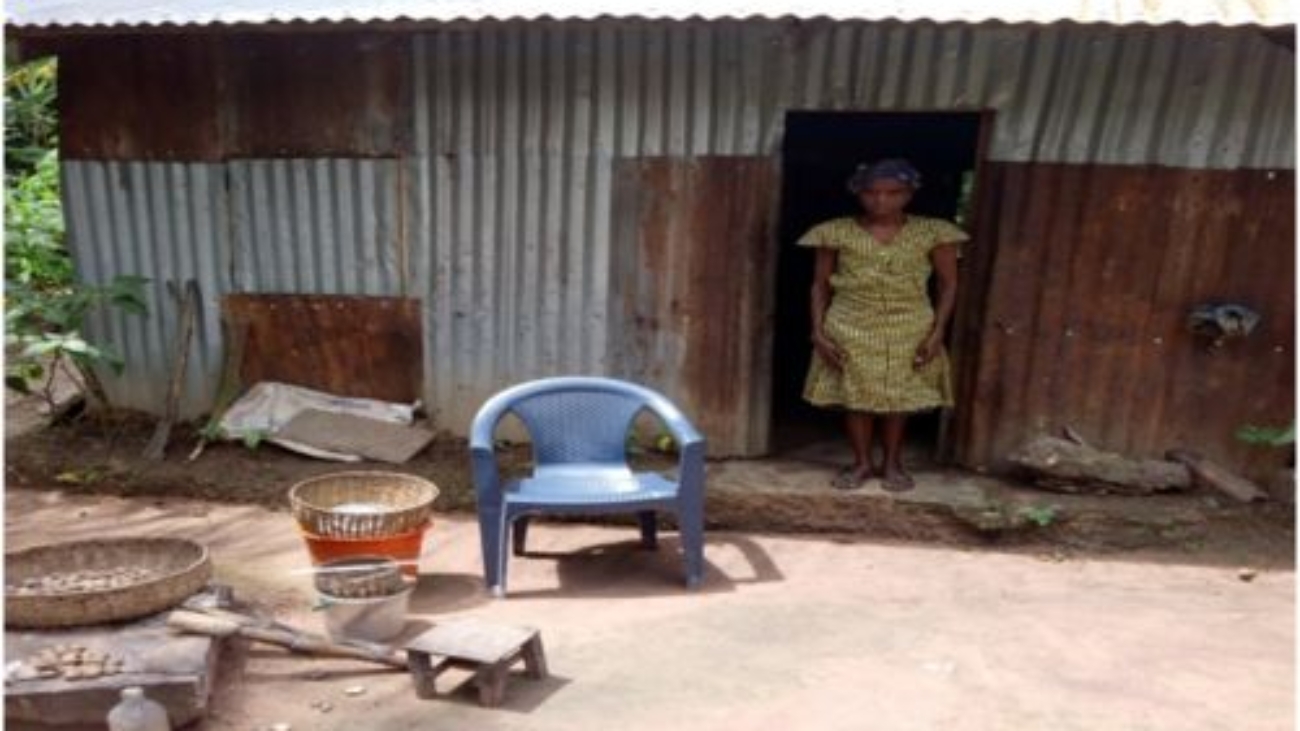
The research work offered critical insights into the intersection of gender, climate change, and agriculture. In economically disadvantaged regions like Nigeria, climate change intensifies challenges for women, particularly female smallholder farmers who are vital to the country’s food production yet often overlooked in policy discussions.
By exploring the impacts of flooding on their food security, income, and livelihoods through an eco-feminist lens, their research endeavour provides actionable insights to guide policy-making and interventions. The goal is to enhance the resilience of women in agriculture and develop adaptive measures that benefit both the environment and socio-economic stability. Let’s discover how this work can influence future strategies for a more inclusive and sustainable approach to climate change and agriculture.
The entire leadership of DePECOS Institutions and Development Research Centre (DIaDeRC) congratulates and celebrates this outstanding quartet for the feat.
Consequent to the announcement published on the website of the Council for the Development of Social Science Research in Africa (CODESRIA) of winners of the 2023/2024 CODESRIA’s Meaning-making Research Initiatives (MRI) competition, the quartet of DIaDeRC team members, led by the Programmes and Partnership Lead, Dr. Judith I. Ani, participated in the prestigious CODESRIA Meaning-making Research Initiatives (MRI) Methodology and Scholarly Writing Workshop held at Dakar, Senegal, from 16-20 September 2024.
The quartet-winning proposal, “Climate Change-Induced Flooding: Implications for Income and Food Security among Female Smallholder Farmers in Nigeria”, was one of 14 proposals selected from numerous submissions. This significant achievement reflects the team’s dedication to addressing the intersection of gender and climate change, with a specific focus on how climate-induced flooding disproportionately affects the livelihoods of female smallholder farmers. The research aims to provide practical, policy-relevant recommendations to enhance climate resilience among these vulnerable groups.
The Methodology and Scholarly Writing Workshop provided valuable opportunities to enhance MRI winners on expected research methodologies, writing skills, and project design, with a view to ensuring the robustness of proposals and alignment with CODESRIA’s thematic priorities.
During the workshop, scholars were introduced to the resource persons who will guide their projects through completion. Participants also gained insights into African epistemologies, expanded their research knowledge, and built connections with fellow scholars.
In addition, team members from DIaDeRC were actively involved and participated in group and team activities throughout the workshop, where they contributed in various roles and capacities. For instance, Dr. Oluwayemisi K. Adeleke served as a Rapporteur during a group presentation, while Dr. Judith I. Ani took on the role of Rapporteur during a resource-person presentation. Furthermore, Dr. Ani was part of a roundtable discussion with laureates on the theme “Rethinking African Scholarship in Complex Times: Possibilities and Challenges.” Their involvement showcased their commitment and added significant value to the workshop.
Beyond the in-class activities, members had the pleasure of exploring the beautiful city of Dakar, which is renowned for its tourist attractions. In other words, the workshop was not just an academic pursuit; it also offered a chance to explore Dakar’s rich culture. The DIaDeRC team visited the Museum of Black Civilisations (Musée des civilisations noires), recognized by Time magazine as one of the “World’s 100 Greatest Places of 2019.” This museum beautifully encapsulates Africa’s rich history, science, antiquities and heritage, and its exhibits connect the past and present of Black people across the globe.
A visit to the iconic African Renaissance Monument (Monument de la Renaissance Africaine), further underscored the resilience and strength of African people. The 52-meter (171 ft)-tall bronze statue, located on top of one of the twin hills known as Collines des Mamelle, overlooking the Atlantic Ocean, serves as a symbol of hope and a reminder of the sacrifices made by African heroes. An inscription at the foot of the statue enjoins tourists to think about the resilience of the people whose sacrifice brought about the African Renaissance. As the team climbed the 180 stairs to the monument, they reflected on the importance of resilience—a value that aligns with their research efforts aimed at contributing to Africa’s development.
The Methodology and Scholarly Writing Workshop in Dakar, Senegal, was part of the execution phase of the grants won by scholars on the platform of CODESRIA.
The global rise in the elderly population is a significant concern, yet it has not received sufficient policy attention, particularly in developing countries like Nigeria. Africa is expected to witness a substantial increase in its elderly population, projected to grow from 11% to 22% between 2000 and 2050.[1] In the context of Nigeria, the number of individuals aged 65 and above has risen dramatically, escalating from 2,907,740 in 1991 to 4,536,761 in 2006[2]&[3]. This indicates a rapid growth of 1,629,021 within a mere two decades. Projections suggest that the elderly population in Nigeria will continue to expand, reaching 11.5 million by 2025 and a staggering 25.5 million by 2050. These figures stand in contrast to the 6.4 million recorded in 2005, to constituting approximately 10% of Nigeria’s total population. This demographic shift emphasizes the pressing need for comprehensive policies and initiatives to address the evolving needs and challenges associated with an ageing population.[4]
In Africa, the process of ageing transcends mere biology; it holds profound social, cosmological, and spiritual significance. This transformative journey is accompanied by a tapestry of cultural practices that underscore its sacred nature. Among the Ngwo people in Enugu State, located in the southeastern region of Nigeria, the elderly are revered and celebrated through unique names and customs. Titles such as “adukwurum,” “orinandu,” “amushi,” “ogeenyi,” “noomu,” “ogbun’agodo,” “Ogbu Ibuo,” and “Ite Ogbo” are bestowed upon them, symbolizing their role as esteemed progenitors, custodians of wisdom, and bearers of extensive life experiences.[5]
These distinctive names symbolize celebrations and honour bestowed upon elderly men and women, acknowledging their enduring vitality, industriousness, and accomplishments in nurturing successful generations. Specifically, the term “Adukwurum” embodies the celebration of individuals—both male and female—whose lives extend to witness the presence of (great)grandchildren and the achievements of their offspring. “Orinandu” denotes an elder who lives to see old age, enjoying the fruits of their children’s prosperity. Meanwhile, “Amushi” and “Ogbu n’agodo” pay tribute to elderly males and females, respectively, revered for their exceptional fertility levels. The title “Noomu” is reserved for a resilient elder woman who has withstood the trials of labour numerous times, having given birth to ten or more children. Furthermore, designations like “Og’enyi,” “Ogbu Ibuo,” and “Ite Ogbo” encompass additional variations of cultural festivities honouring elderly men and women, celebrating their enduring longevity and progeny.
Yet, within these celebrations, the complex dynamics of ageing persist. While old age is widely respected, for some, it presents a challenging phase marked by functional limitations and other adversities. As individuals age, they may contend with disabilities, ailments, financial hardship, diminished income, and other socioeconomic difficulties. This sobering reality, particularly prev[i]alent in developing nations, unfolds amidst a backdrop of inadequate political commitment to institute comprehensive welfare policies for the elderly.
ISSUES, NARRATIVES AND LESSONS LEARNT
Delving deeper in light of the aforementioned, a southeastern Nigeria study conducted among 816 older adults,[6] underscored a significant prevalence of disability. Notably, seven out of every ten elderly individuals required assistance with Activities of Daily Living (ADL) and Instrumental Activities of Daily Living (IADL). Intriguingly, this study illuminated a gender disparity, revealing that men were twice as likely as their female counterparts to necessitate such assistance. Furthermore, the research indicated a noteworthy correlation between education and disability risk. Elderly respondents with limited or no formal education faced an elevated likelihood of experiencing disabilities. This linkage can be attributed to the fact that education plays a pivotal role in fostering a proactive approach towards preventive healthcare, bolstering the capacity to effectively manage various pathologies, and preempting the onset of chronic conditions.
Additionally, the study highlighted the critical importance of physical exercise. Those who refrained from engaging in regular physical activity exhibited a staggering seven-fold increase in the risk of disability concerning ADL, alongside a twofold risk elevation for IADL-related disabilities, when compared to their exercise-practising counterparts. This emphasizes the vital role of physical activity in promoting functional independence and mitigating the onset of disabilities among the elderly population.
Mobility-related disability, primarily stemming from stroke, imposed the most substantial burden among all types of disabilities. The prevalence of strokes was higher in males than in females. Upon further examination, it was found that alcohol consumption, specific occupational choices, and smoking were correlated with an increased risk of strokes. Among the elderly, those with lower levels of education faced a heightened risk of dementia compared to their tertiary-educated counterparts. Notably, individuals with no formal education exhibited a twelve-fold greater susceptibility to this disability.
Pain-related disability, centred around osteoarthritis and rheumatism, ranked as the second most prevalent form of disability. Elderly females were found to be 20% more susceptible to this category of disability compared to males. This discrepancy not only limited their engagement in social activities but also intensified their discomfort and other associated disadvantages. Additionally, elderly females were twice as likely as males to experience mental health issues. Physical exercise emerged as a significant factor linked to mental well-being. Engaging in physical activities served as a protective measure against mental-related disabilities, particularly dementia, mitigated the impact of disabilities in advanced age, and contributed to overall health promotion.
The study also shed light on instances of reported abuse. Emotional abuse was more frequently reported by males (64.7%), while physical abuse was more prevalent among females (53.8%). These instances of abuse were predominantly perpetrated by individuals in positions of trust. Unfortunately, a prevalent reason for not reporting such abuses was the fear of abandonment by caregivers, often family members.
Furthermore, approximately 47.7% of the respondents self-assessed their health as poor, indicating the presence of comorbidities in older age (Figure 1).
Figure 1: Respondents’ Self-reported Health Status in Percentage
Over half (56%) of the participants reported having experienced an illness within the four weeks preceding the study. These illnesses encompassed a range of conditions such as malaria, typhoid, fever, headaches, high blood pressure, ulcers, prostate cancer, waist pain, and cough, among others. Of the respondents, 46.8% rated the quality of healthcare they received as fair, while the remaining individuals perceived it as either good or poor as shown in Figure 2 below.
Figure 2: Quality of Care Received by Respondents
In another survey[7] conducted among older adults with disabilities in South-eastern Nigeria, the findings indicated that more than 70% of the participants had unmet needs.
Figure 3: Percentage of Elderly with Unmet Needs
This signifies a lack of access to fundamental requirements, encompassing financial resources, proper nutrition, healthcare, suitable housing, as well as rights and entitlements, including pension benefits. Mobility also emerged as a significant area where needs were not adequately fulfilled.
Based on the study’s findings, the most deficient areas of care and support were centred on financial assistance, with health care ranking second due to the burden of out-of-pocket payments, followed by insufficient access to proper nutrition. Article 25 of the United Nations Universal Declaration of Human Rights, established in 1948, defines adequate standards of living as encompassing the ability to fulfil fundamental necessities such as proper diet, suitable shelter, clothing, housing, healthcare, long-term care services, and possession of resources to alleviate the impact of illnesses, disabilities, widowhood, old age, or the loss of a means of livelihood. Regrettably, a significant majority of respondents indicated their inability to afford a healthy lifestyle and meet adequate living standards. Among the participants, 66.0% did not utilize any form of assistive device, while the remaining 34.0% primarily relied on walking sticks (canes). Notably, none of the respondents utilized modern devices to navigate their surroundings effectively. Their environment was generally not ageing-friendly.
A sight-impaired woman living in a physical environment that is not ageing-friendly given the lack of handrails
The respondents’ coping mechanisms were influenced by their interpretation of the underlying causes of their disabilities. Some individuals, who attributed their disabilities to supernatural or preternatural factors, sought assistance from spiritual practitioners. Conversely, those with a medical understanding of their conditions leaned towards medical interventions to enhance their quality of life in their remaining years. Survival strategies often revolved around receiving financial support. This primarily took the form of remittances, often provided by their children. Additionally, some resorted to seeking alms as a means to sustain themselves.
An elderly begging for alms along the roadside
CONCLUSION
In each of these studies, participants shared their personal challenges and articulated their preferences for effective assistance as stated above. Therefore, it is crucial to provide support to the elderly through well-designed, need-based policies and initiatives. Drawing inspiration from established systems of care in countries such as Canada, Japan, Russia, the Netherlands, and China, there is an opportunity to examine and analyze these models with the aim of crafting a tailored approach for the elderly population in Nigeria.
Furthermore, it is proposed that a community-based healthcare system be developed, one that incorporates informal caregivers. This approach would ensure a seamless continuum of care, utilizing the support of individuals whom the elderly have been familiar with throughout their lives. To achieve this, a public-private partnership could be established. This partnership may encompass a well-structured home care and rehabilitation services framework, including specialized interventions like physiotherapy, delivered by trained professionals who collaborate with informal caregivers at the community level. Additionally, the implementation of innovative assistive technologies can play a pivotal role in enhancing the elderly’s independence and overall quality of life, and ensuring an ageing-friendly environment is crucial Establishing vibrant recreational centers that promote social engagement and combat feelings of loneliness and isolation is equally vital. This comprehensive approach strives to elevate social interaction equality, fostering a supportive environment for the elderly in Nigeria.
As the ongoing demographic transition continues, the imperative for a comprehensive collective welfare system becomes increasingly evident. This takes the form of a pension system designed to encompass all categories of the elderly, alongside community-based care and welfare policies, which together offer a targeted approach to policy interventions. In light of Nigeria’s commitment to achieving healthcare equity, the findings from these studies present a significant opportunity to address challenges and enhance access to healthcare and social safety nets for the elderly population. One potential avenue for achieving this is through the enhancement of the National Health Insurance Scheme (NHIS). While currently covering only a fraction of the population, strategic modifications can extend its benefits to elderly individuals, particularly those living with disabilities. A crucial step involves broadening the NHIS’s eligibility criteria to encompass elderly individuals and fostering community-based outreach efforts. Valuable lessons can be gleaned from successful schemes in other countries to inform these enhancements.
To further fortify the safety net for the elderly, the establishment of a dedicated health fund is strongly recommended. Given that elderly individuals often heavily rely on extended family and friends for both healthcare and social support, the creation of a health fund could alleviate the economic burdens borne by both the elderly and their households. Recognizing the pressing need, there is a call for the implementation of a sustainable unconditional, non-contributory pension scheme. This measure aims to mitigate the adverse effects of poverty and economic hardships prevalent in contemporary Nigeria.
Despite the current lack of prioritization of ageing-related issues by the Nigerian government, as evident in the widespread out-of-pocket healthcare expenditures and a lack of political will to enforce ageing welfare policies, it remains crucial to acknowledge the formidable challenges that have already surfaced, including catastrophic health expenditures. Addressing the issues of disability and the challenges faced by the elderly in Nigeria is, therefore, of paramount importance. Such efforts are essential to enhance their quality of life and imbue their lives with greater significance as they approach the end of life.
OpenEdition suggests that you cite this post as follows: Judith I. Ani (August 15, 2023). Ageing in South-Eastern Nigeria: Issues, Personal Narratives and Lessons Learnt. Threads of Time. Retrieved May 19, 2025 from https://timethreads.hypotheses.org/149